The Atacama Desert in northern Chile is the driest non-polar desert on Earth. Some weather stations here have almost never recorded rain. However, the landscape is full of life and colour: salt flats, flamingo lagoons, geysers and volcanoes. Moreover, its clear skies make it one of the best places in the world for stargazing.
So, this guide covers the top sights, astronomy, the best season and practical tips.
San Pedro de Atacama
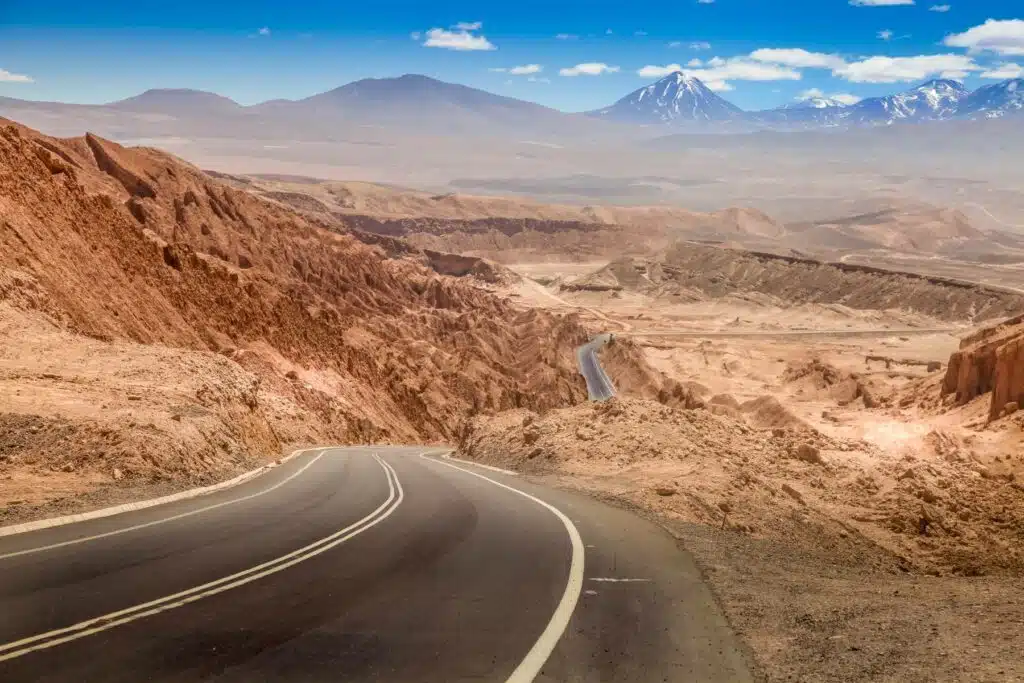
This small adobe village is the base for most excursions. In the centre, the white church dates from the colonial era. Also, the village has restaurants, tour agencies and small hotels. However, it lies at about 2,400 metres, so take your first day easy.
Top Sights in the Atacama
Valle de la Luna
Near the village, this valley looks like the surface of the moon. For example, salt caves, dunes and rock formations line the trails. Then, watch the sunset turn the mountains pink and orange. Entry tickets are sold online.
Salar de Atacama
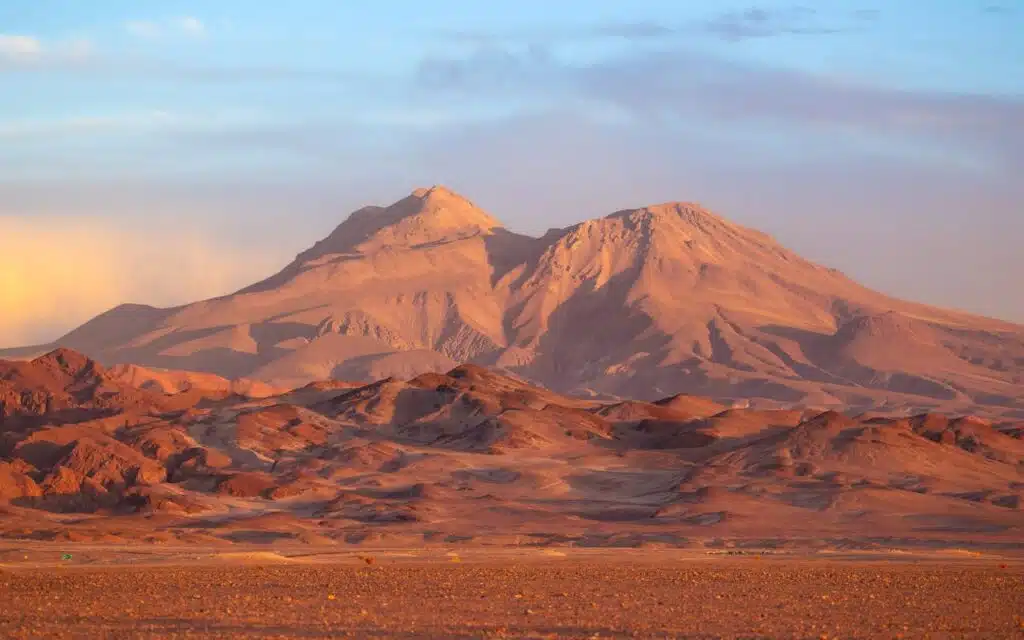
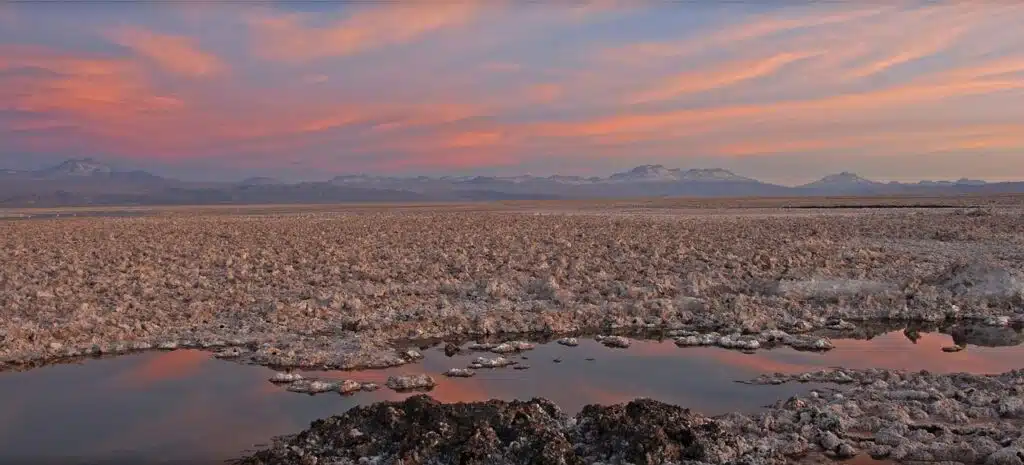
This is the largest salt flat in Chile. At Laguna Chaxa, Andean flamingos feed in the shallow water. Moreover, the area is part of Los Flamencos National Reserve.
El Tatio Geysers
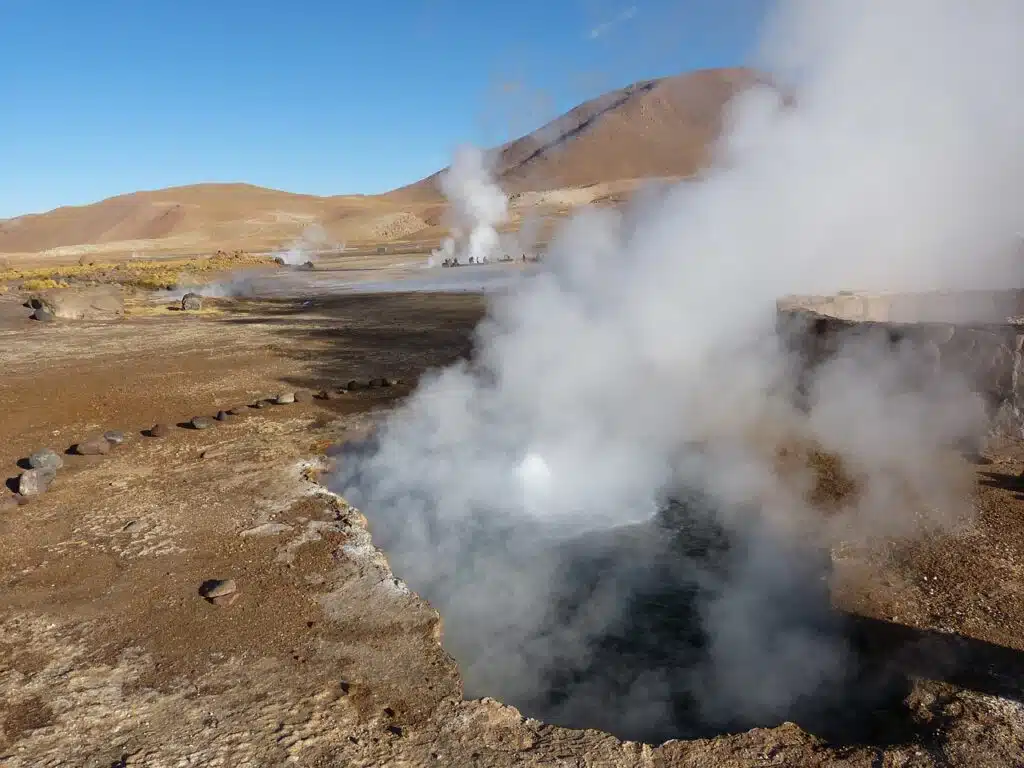
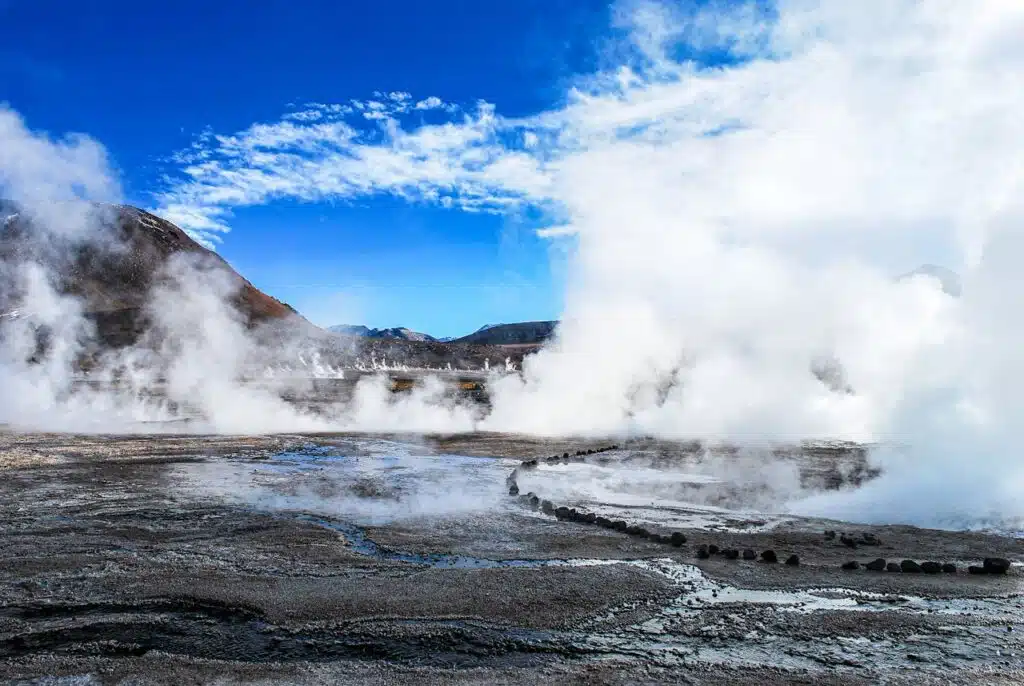
At about 4,300 metres, El Tatio is one of the highest geyser fields in the world. Tours leave around 4:30 am, because the steam columns are best at sunrise. However, temperatures can fall below -10°C, so dress very warmly.
Altiplanic Lagoons
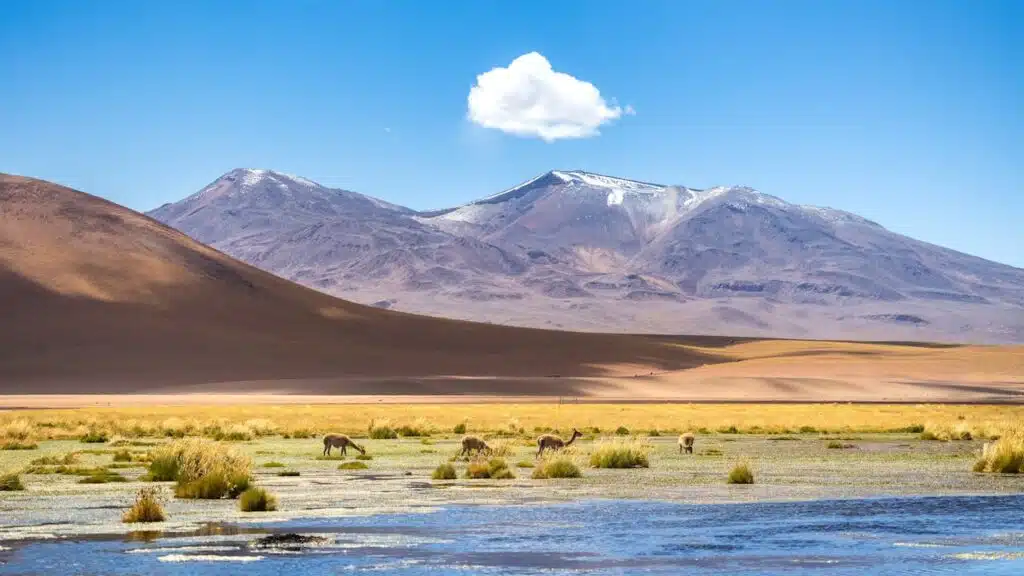
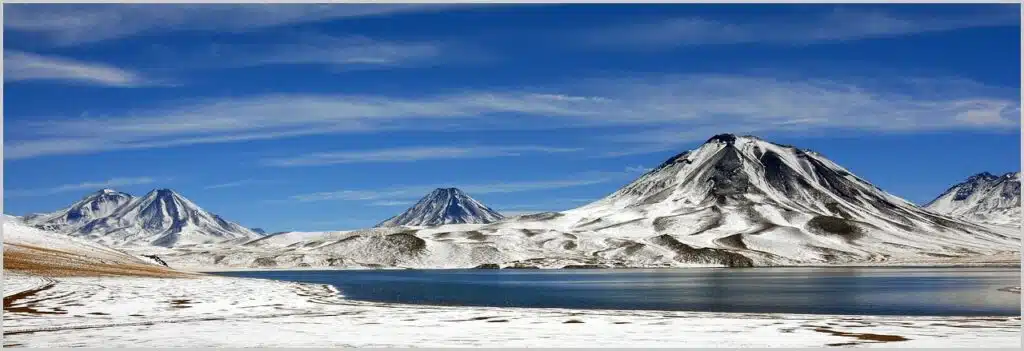
Laguna Miscanti and Laguna Miñiques sit at over 4,000 metres below snowy volcanoes. Also, vicuñas and foxes often appear nearby. On the same tour, the Piedras Rojas offer red rocks beside a turquoise salt lake.
Valle de la Muerte
Its tall dunes are perfect for sandboarding. In addition, cycling there from San Pedro is popular.
Stargazing in the Atacama
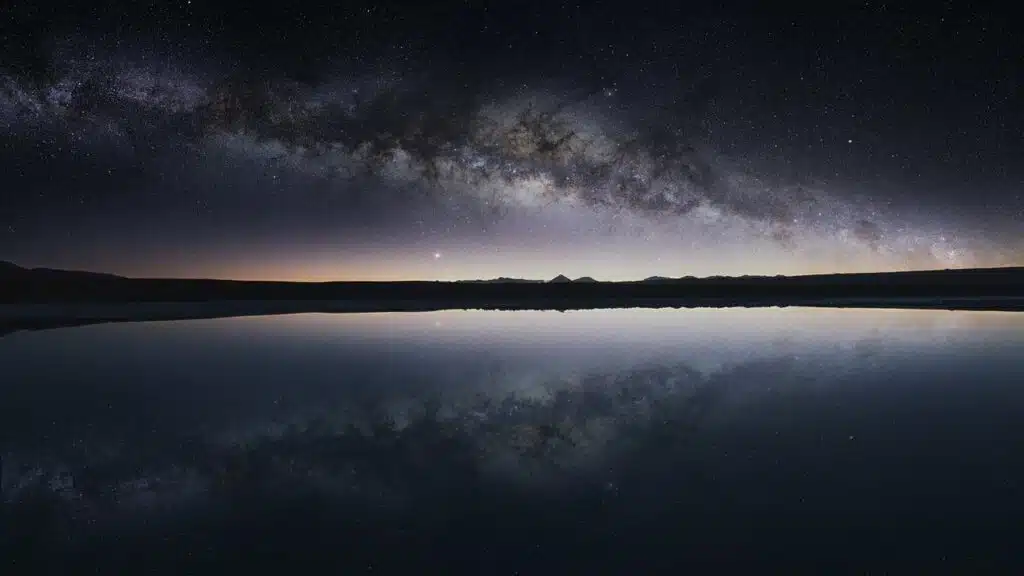
Thanks to dry air and high altitude, the night sky is incredibly clear. So, join an astronomy tour with telescopes. Also, the ALMA radio observatory offers free weekend visits, but you must book in advance.
Best Time to Visit
The desert can be visited all year. However, spring and autumn offer the most pleasant temperatures. In January and February, the “altiplanic winter” sometimes brings storms that close roads.
Practical Tips
- Acclimatise: Visit lower sites first, then go higher.
- Protect yourself: The sun is very strong, while nights are cold.
- Drink plenty of water: The air is extremely dry.
- Bring cash: Some sites accept only Chilean pesos.
Getting There
Fly from Santiago to Calama in about two hours. Then, shuttles reach San Pedro in about 90 minutes. For more ideas, see the official Chile Travel website.
Final Thoughts
In short, this desert offers otherworldly landscapes by day and dazzling stars by night. Afterwards, discover Valparaíso or cross into Bolivia to the Salar de Uyuni. Discover all our Chile travel guides.