Luzon is the largest and most populated island of the Philippines. It is home to the capital, Manila, but also to mountains, rice terraces and volcanoes. Moreover, Spanish colonial towns and wild beaches complete the picture. So, it offers a great mix of culture and nature.
This guide covers the Cordillera, the Ilocos region, Bicol and practical tips.


The Cordillera Region of Luzon
Banaue and Batad Rice Terraces
The Ifugao people carved these terraces into the mountains by hand. They are often said to be 2,000 years old, although recent studies suggest they may be younger. In fact, the Rice Terraces of the Philippine Cordilleras are a UNESCO World Heritage site. Above all, the amphitheatre of Batad is breathtaking.
Sagada
This mountain town is famous for its hanging coffins and caves. For example, you can explore the Sumaguing Cave with a guide. Also, hike to Kiltepan Peak for a sunrise above the clouds.
Baguio
Thanks to its altitude, Baguio is cooler than the lowlands. So, it is nicknamed the “Summer Capital of the Philippines”. Also, visit Burnham Park and Mines View Park.
The Ilocos Region
Vigan is a UNESCO-listed Spanish colonial town. For instance, Calle Crisologo is lined with old houses and horse-drawn carriages. Meanwhile, Paoay Church, built with coral stone and brick, is a famous example of “earthquake Baroque”. Further north, moreover, Pagudpud has white beaches and the Bangui windmills.


The Bicol Region
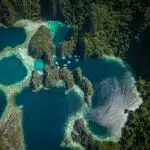
Mayon Volcano, in Albay province, is famous for its almost perfect cone. Also, the Cagsawa Ruins offer a classic view of it. In addition, the Caramoan Islands, in Camarines Sur, have limestone cliffs and quiet beaches. Meanwhile, Bicol Express is the region’s spicy coconut dish.


Travel Tips for Luzon
- Best time: The dry season runs from about December to May.
- Pack layers: The mountains are cool, while the coast is hot.
- Take night buses: They link Manila with Banaue, Sagada and Vigan.
- Try local food: Bagnet and empanada are Ilocos specialities.
Getting to Luzon
Most international flights land in Manila. Then, buses and domestic flights reach the provinces. For more ideas, see the official Philippines tourism website.
Final Thoughts on Luzon
In short, this island combines rice terraces, colonial towns and volcanoes. Afterwards, discover Palawan or Bohol. Discover all our Philippines travel guides.