


Argentina is a huge country stretching from subtropical jungles to the icy tip of South America. It combines elegant cities, tango, world-class wine and wild Patagonia. Moreover, its steaks and warm hospitality are legendary. So, it suits city lovers and outdoor adventurers alike.
Most first trips start in Buenos Aires. Then, travellers fly to Iguazú Falls and to Patagonia, with its glaciers and mountains.
Read more about Argentina
Buenos Aires
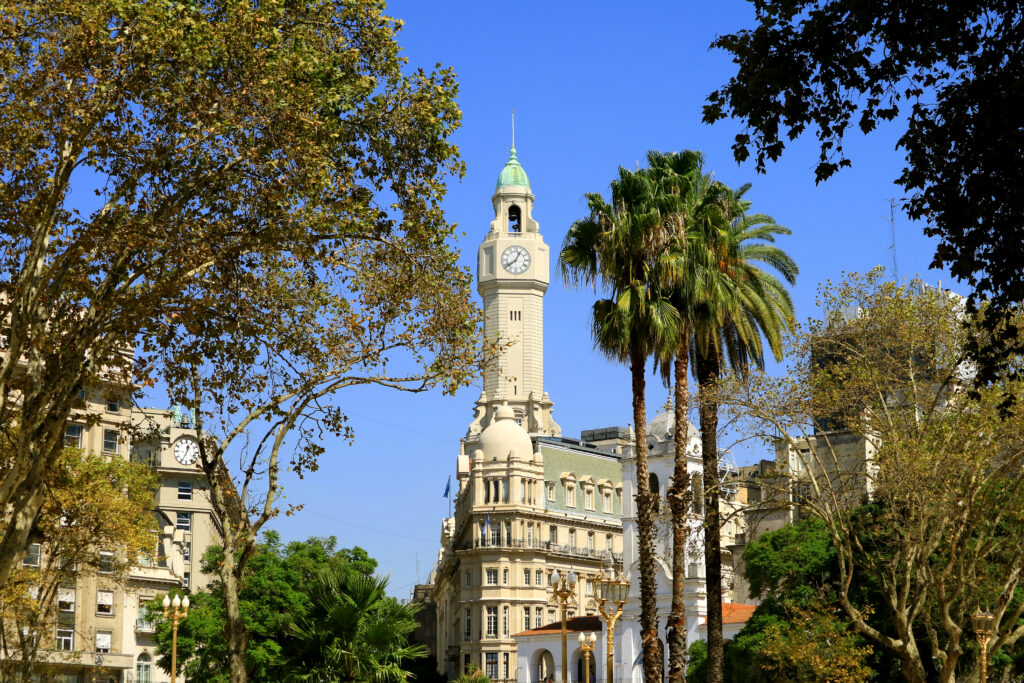
First, the capital mixes European elegance with Latin passion. Visit colourful La Boca, the Recoleta Cemetery and the San Telmo market on Sundays. In the evening, enjoy a tango show or a late dinner. Read our Buenos Aires guide.
Top Places to Visit in Argentina
Iguazú Falls
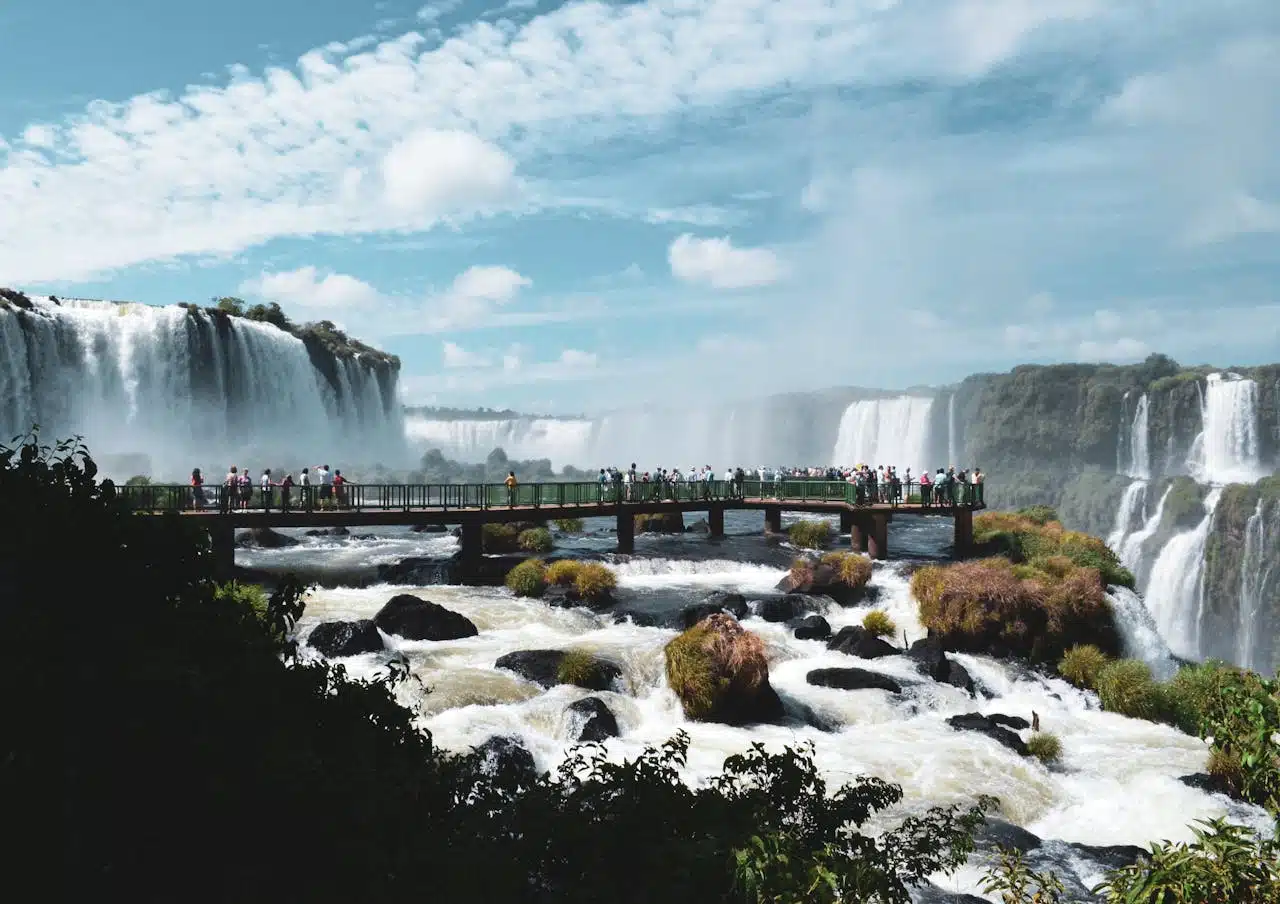
In the northeast, Iguazú Falls has around 275 waterfalls. Above all, the Devil’s Throat is breathtaking. Also, plan a day on the Brazilian side for panoramic views.
Patagonia
In the south, Patagonia is wild and spectacular. For example, El Calafate is the gateway to the Perito Moreno Glacier. Nearby, El Chaltén is the trekking capital, below Mount Fitz Roy. Further north, Bariloche offers lakes and chocolate shops. Finally, Ushuaia is known as the end of the world.
Mendoza and the North
At the foot of the Andes, Mendoza is famous for Malbec wine. Meanwhile, in the northwest, Salta and Jujuy have colourful mountains and colonial villages.
A Short History of Argentina
First, indigenous peoples lived across the land for thousands of years. Then, Spain colonised the region in the 16th century. In 1816, Argentina declared its independence.
Later, millions of immigrants arrived, mostly from Italy and Spain. As a result, Italian influence is everywhere, from the accent to the pizza. However, the 20th century brought political turmoil, before democracy returned in 1983.
Food and Wine in Argentina
First, try an asado, the famous Argentine barbecue. Also, empanadas, milanesa and dulce de leche are everywhere. To drink, Malbec from Mendoza is a must.
Moreover, sharing mate, a bitter herbal tea, is a daily ritual. Dinner, however, rarely starts before 9 pm.
Festivals and Events
- February: Carnival is celebrated with parades, especially in Gualeguaychú.
- March: the grape harvest festival takes over Mendoza.
- August: the Tango Festival and World Cup fills Buenos Aires with dancers.
Practical Tips
- Fly long distances: the country is huge, so domestic flights save days.
- Check payment options: exchange rates change often, so compare card and cash prices.
- Pack for all seasons: Patagonia can be cold and windy, even in summer.
For more ideas, see the official Argentina tourism website.
Basic Words and Expressions to Use in Argentina
Argentines speak Spanish with a unique accent: “ll” and “y” sound like “sh”. Still, a few words make a real difference. Above all, a friendly “che” and “dale” will make you sound local.
Finally, Argentines greet friends with a kiss on the cheek. So, don’t be surprised by the warm welcome.
Argentina Travel FAQ
We recommend two to three weeks for a first trip. That way, you can see Buenos Aires, Iguazú Falls and Patagonia. With ten days, however, choose Buenos Aires and one region.
Count $30 to $80 per person per day. Budget travellers stay near the lower end with hostels and local restaurants. However, Patagonia tours and domestic flights add up quickly.
Spring and autumn are ideal for Buenos Aires and the wine regions. For Patagonia, however, the best time is November to March. In winter, ski resorts open around Bariloche.
Many nationalities can visit visa-free for up to 90 days. Still, rules depend on your passport, so always check the latest requirements before you travel.
Yes, around 10% is usual in restaurants. Also, small tips for guides and hotel staff are appreciated.
Domestic flights are the best option for long distances. Also, comfortable overnight buses link most cities. In Patagonia, a rental car gives you more freedom.
In short, the country offers tango, wine, waterfalls and glaciers. So, combine Buenos Aires with Iguazú and Patagonia. Explore our detailed guides for each destination.