


Brazil is the largest country in South America, full of rhythm, colour and natural wonders. It combines famous beaches, the Amazon rainforest, giant waterfalls and lively cities. Moreover, its music, football and Carnival are known worldwide. So, every region feels like a different country.
Most first trips start in Rio de Janeiro. Then, travellers add Iguaçu Falls, Salvador de Bahia or the Amazon.
Read more about Brazil
Top Cities in Brazil
Rio de Janeiro
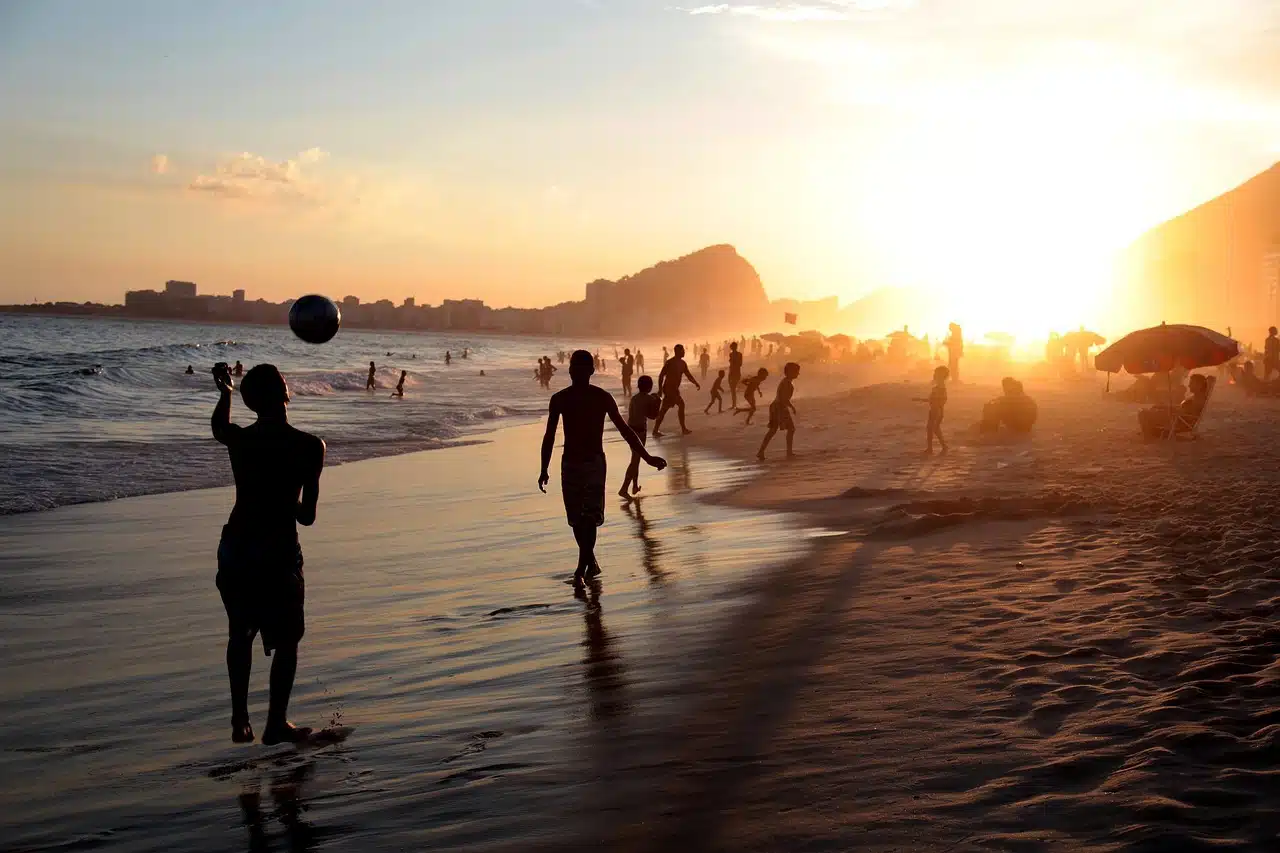
First, the “Marvellous City” lies between mountains and sea. Visit Christ the Redeemer, take the cable car up Sugarloaf Mountain and relax on Copacabana or Ipanema. In the evening, samba bars in Lapa come alive. Read our Rio de Janeiro guide.
São Paulo and Salvador
Meanwhile, São Paulo is a giant metropolis of museums, restaurants and nightlife. In the northeast, Salvador de Bahia has a colourful colonial centre and a strong Afro-Brazilian culture.
Nature in Brazil
- The Amazon: The largest rainforest on Earth, best explored from Manaus.
- The Pantanal: The world’s largest wetland, ideal for spotting jaguars and caimans.
- Iguaçu Falls: Giant waterfalls on the border with Argentina.
- Chapada Diamantina: Canyons, caves and waterfalls for hikers.
Beaches and Islands of Brazil
With thousands of kilometres of coast, beaches are everywhere. For example, Florianópolis has 40 beaches and a relaxed surf vibe. Further north, Fernando de Noronha is a protected island paradise with dolphins and turtles. However, visitor numbers are limited, so book early.
A Short History of Brazil
First, indigenous peoples lived here for thousands of years. Then, the Portuguese arrived in 1500 and built sugar plantations. Sadly, millions of enslaved Africans were brought to work on them. As a result, African culture deeply shaped Brazilian music, food and religion.
In 1822, Brazil declared its independence and became an empire. Later, slavery was abolished in 1888, and the republic was proclaimed in 1889. Today, it is one of the most diverse countries in the world.
Food in Brazil
First, try feijoada, a rich black bean stew, and cheese bread called pão de queijo. In Bahia, taste moqueca and acarajé. Also, a churrascaria serves endless grilled meat.
To drink, the caipirinha is the national cocktail. Moreover, fresh fruit juices and açaí bowls are everywhere.
Festivals and Events
- February or March: Carnival fills Rio, Salvador and Recife with parades and music.
- June: Festa Junina celebrates rural traditions with dancing and food.
- 31 December: New Year’s Eve on Copacabana beach is one of the biggest parties in the world.
Practical Tips
- Fly between regions: distances are huge.
- Stay alert in cities: keep valuables out of sight, especially on beaches.
- Use ride-hailing apps: Uber and 99 are safe and cheap in cities.
For more ideas, see the official Visit Brasil website.
Basic Words and Expressions to Use in Brazil
Brazilians speak Portuguese, not Spanish, and English is not widely spoken. So, a few words of Portuguese make a real difference. Above all, a thumbs-up and “tudo bem?” will make you friends.
Finally, men say “obrigado” and women say “obrigada”. Brazilians are warm and patient, so don’t be shy.
Brazil Travel FAQ
We recommend two to three weeks for a first trip. That way, you can see Rio, Iguaçu Falls and Salvador or the Amazon. With ten days, however, focus on Rio and one region.
Count $40 to $100 per person per day. Budget travellers stay near the lower end with guesthouses and local restaurants. However, domestic flights and Amazon lodges add up quickly.
The peak season runs from December to March, during the southern summer and Carnival. However, it is also hot and busy. For the Pantanal and the Amazon, the dry season from June to September is often better.
Rules depend on your nationality. Some visitors can enter visa-free, while others need an e-visa. So, always check the latest requirements for your passport before you travel.
A 10% service charge is usually added to the bill. So, extra tipping is optional, but small tips for guides are appreciated.
Domestic flights are essential for long distances. Also, long-distance buses are comfortable and cheaper. In cities, use the metro or ride-hailing apps.
In short, the country offers beaches, rainforest, waterfalls and endless energy. So, combine Rio with one or two natural wonders. Explore our detailed guides for each destination.