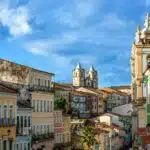
São Paulo is the largest city in Brazil and one of the biggest in the world. Indeed, skyscrapers stretch to the horizon, and the city never seems to sleep. However, behind its busy face, it hides world-class museums, creative neighbourhoods and amazing food. As a result, São Paulo is Brazil’s cultural capital.
So, this guide covers the best museums, neighbourhoods, food, parks and practical tips.
Culture in São Paulo
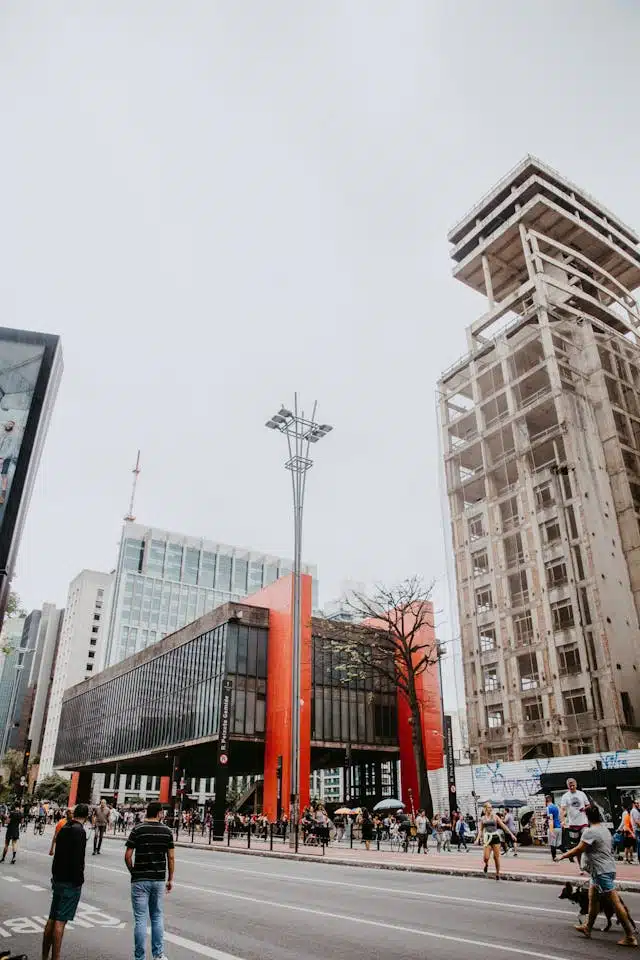
MASP
The São Paulo Museum of Art, designed by Lina Bo Bardi, seems to float above Avenida Paulista on red beams. Inside, moreover, its collection ranges from Raphael and Van Gogh to Brazilian artists. Also, paintings hang on glass easels, which creates a unique display. Also, entry is free on Tuesdays.
Pinacoteca
Similarly, the Pinacoteca is one of Brazil’s oldest art museums. It focuses on Brazilian art, especially from the 19th and 20th centuries. Moreover, the restored building is beautiful, with glass roofs over its courtyards.
Instituto Tomie Ohtake and Sala São Paulo
The Instituto Tomie Ohtake hosts bold contemporary exhibitions in a colourful building. Meanwhile, Sala São Paulo, in a former railway station, is one of the best concert halls in Latin America.
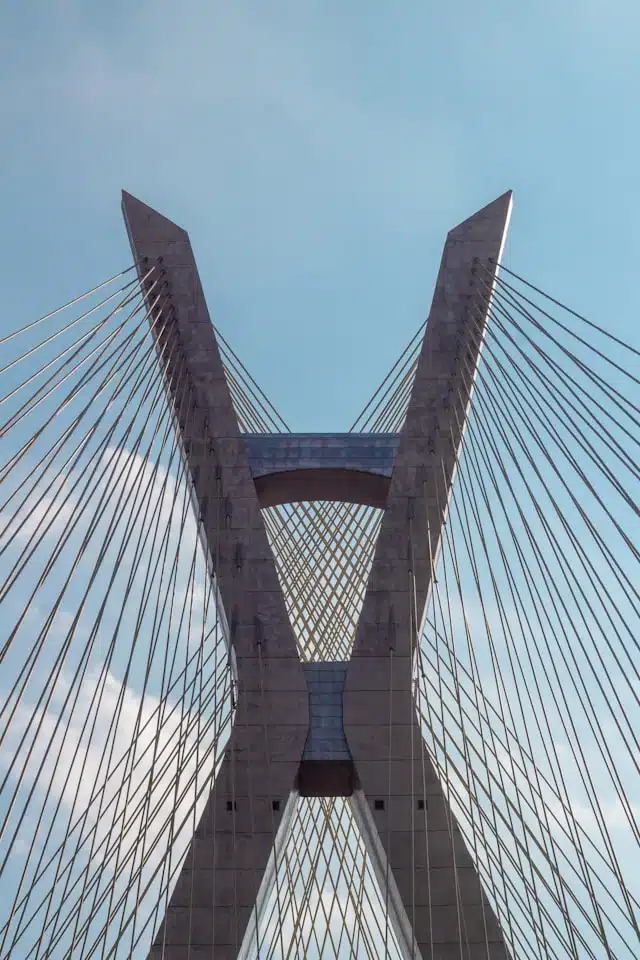
Octávio Frias de Oliveira Bridge
This cable-stayed bridge, with its giant X-shaped mast, crosses the Pinheiros River. It is especially striking at night, when it is lit up.
Neighbourhoods of São Paulo
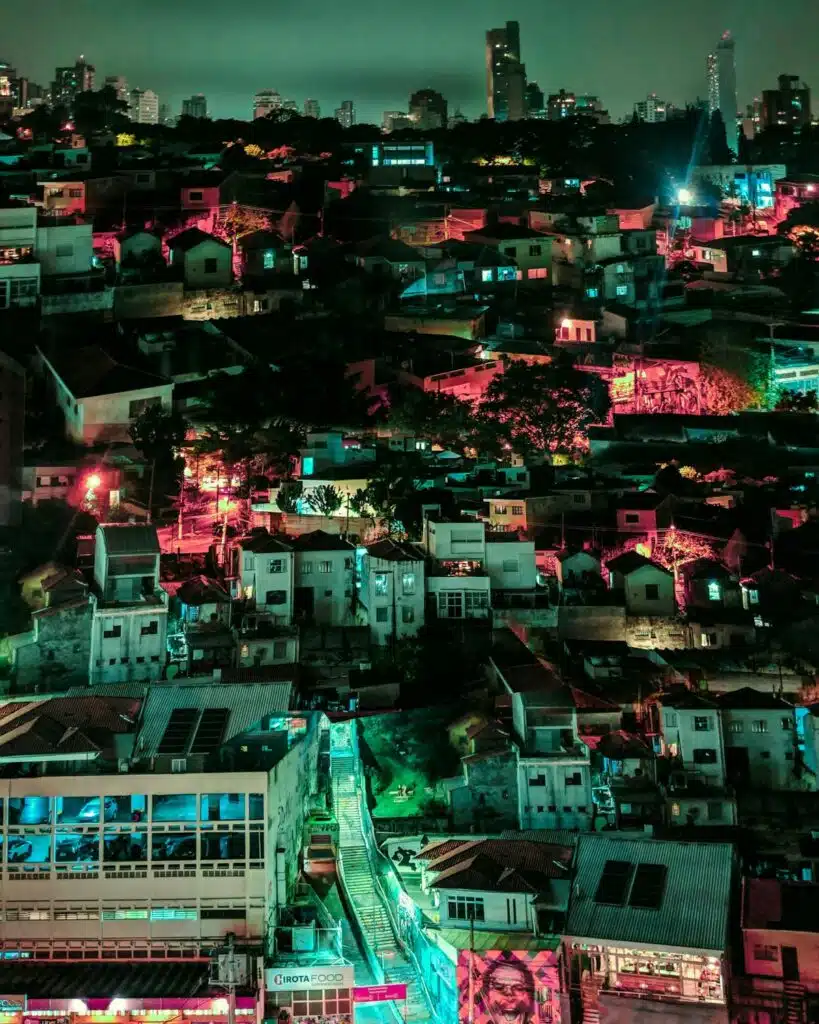
- Avenida Paulista: The main avenue of business and culture. On Sundays, it closes to cars and fills with musicians and families.
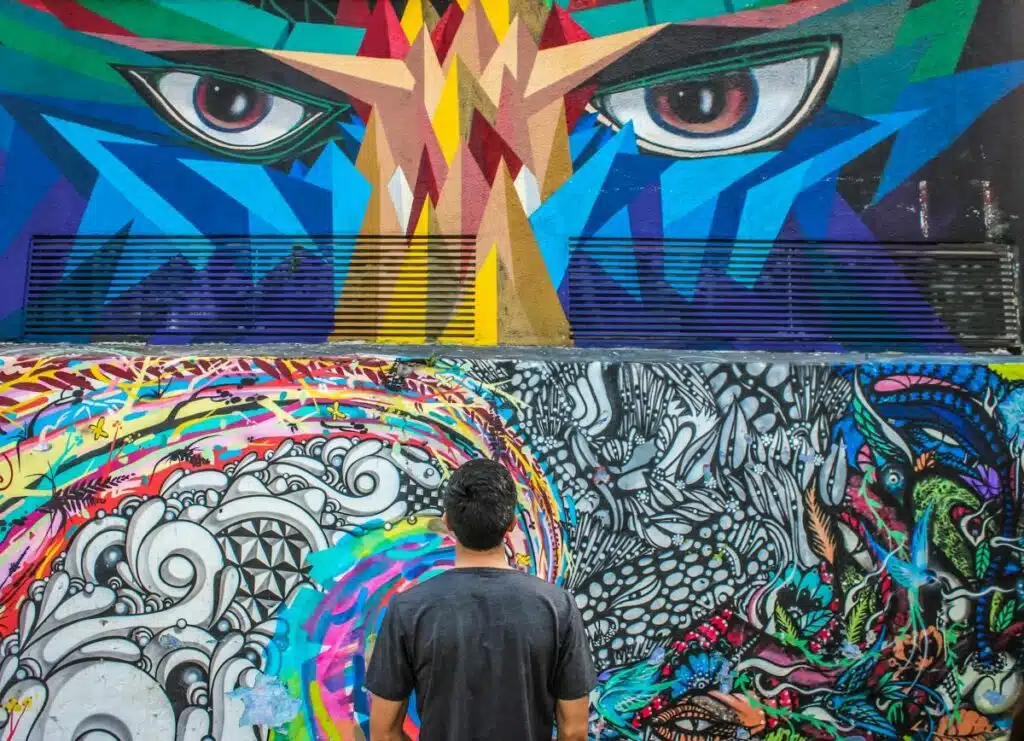
- Vila Madalena: A bohemian district with bars, galleries and street art. Above all, don’t miss the painted alley of Beco do Batman.
- Liberdade: Home to the largest Japanese community outside Japan, with markets and restaurants.
- Jardins: Tree-lined streets with luxury shops and top restaurants.
Food and Drink
In fact, São Paulo is one of the great food cities of the world. For example, the Municipal Market is famous for its huge mortadella sandwich and codfish pastries. Also, try a rodízio in a steakhouse, where waiters bring endless cuts of grilled meat. In addition, Italian, Japanese and Arab communities have shaped the local cuisine. For fine dining, D.O.M. by chef Alex Atala uses Amazonian ingredients.
Parks and Green Spaces
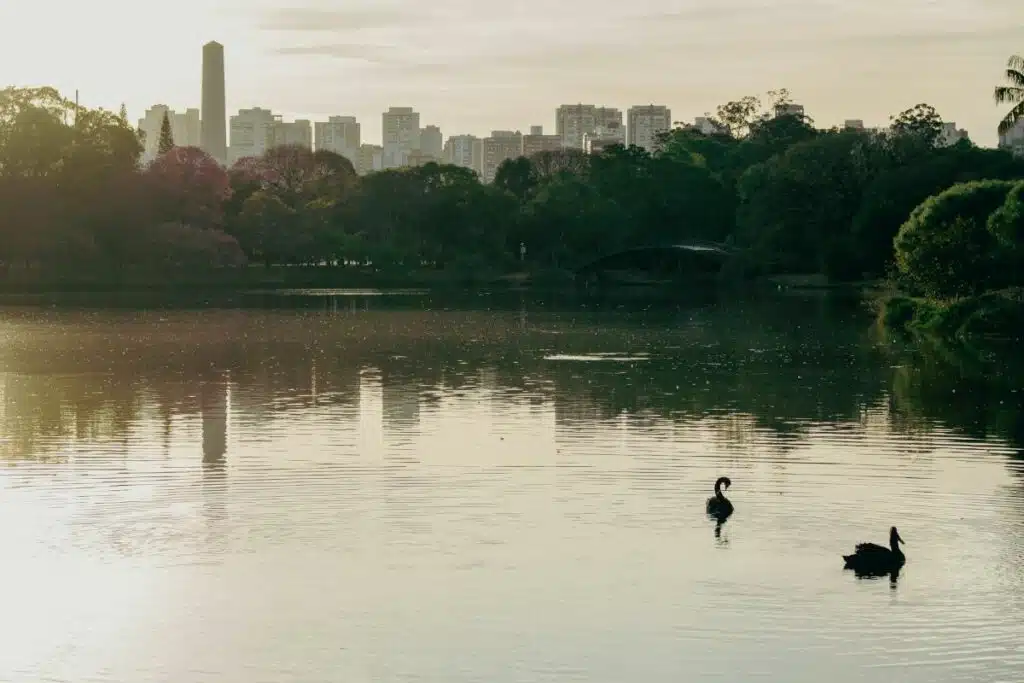
Ibirapuera Park is the city’s green heart. Designed partly by Oscar Niemeyer, it holds museums, lakes and running paths. Also, its Bienal Pavilion hosts one of the world’s most important art biennials. Meanwhile, the Botanical Garden offers a quieter escape.
Nightlife and Music
The city’s nightlife is also legendary. For instance, Vila Madalena is great for bars, while Rua Augusta is known for alternative clubs. Also, live samba and jazz bars are easy to find.
Practical Tips
- Best time: Spring and autumn are mild. However, summer brings heavy afternoon storms.
- Use the metro: It is clean and efficient. Also, ride apps are widely used.
- Stay safe: Keep your phone out of sight on the street, especially at night.
- Visit Paulista on Sunday: The car-free avenue is lively and fun.
Getting There
Guarulhos International Airport is the main gateway to Brazil. Also, Congonhas Airport, closer to the centre, handles domestic flights. In addition, flights to Rio de Janeiro take about one hour. For more ideas, visit the official Visit Brasil website.
Final Thoughts on São Paulo
São Paulo is energetic, creative and full of surprises. Above all, it rewards curious travellers. Afterwards, relax on the beaches of Florianópolis or visit Iguaçu Falls. Discover all our Brazil travel guides.