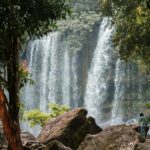
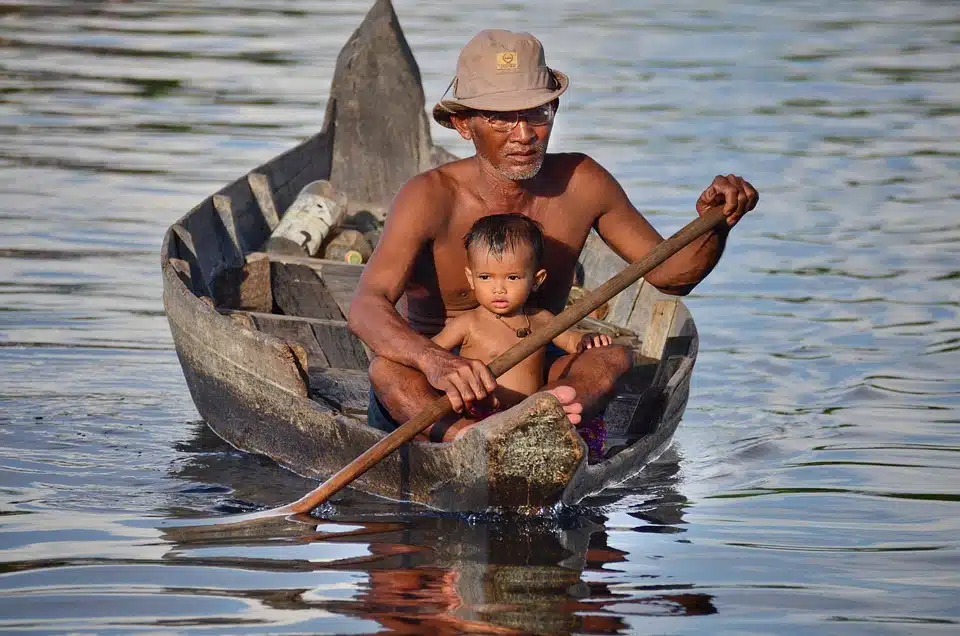
Tonlé Sap Lake is the largest freshwater lake in Southeast Asia, in the heart of Cambodia. In the rainy season, it grows to several times its dry-season size. In fact, the Tonlé Sap River even reverses its flow. Around the lake, communities live in floating and stilt villages.
So, this guide covers the villages, wildlife, the best season and practical tips.
A Unique Ecosystem
From June, monsoon floods from the Mekong push water back up the river into the lake. As a result, forests and fields are flooded for months. Then, the water drains away again in the dry season. This cycle makes the lake one of the richest freshwater fisheries in the world. Also, it is a UNESCO biosphere reserve.
Villages on Tonlé Sap Lake
Chong Kneas
About 15 km from Siem Reap, this is the closest village. However, it is very touristy, and some boat operators charge high prices.
Kampong Phluk
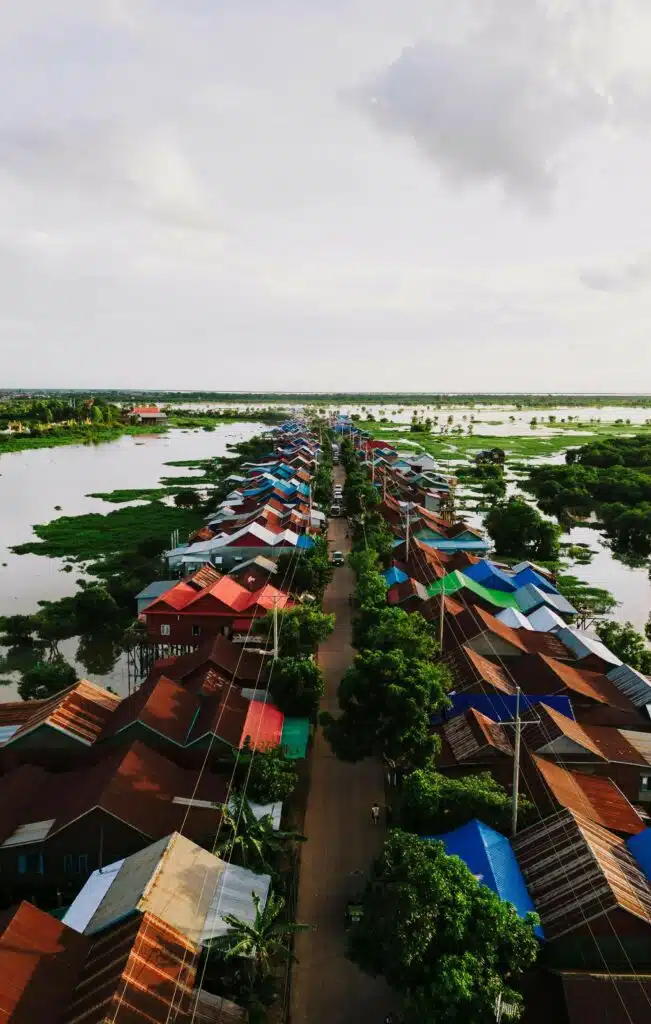
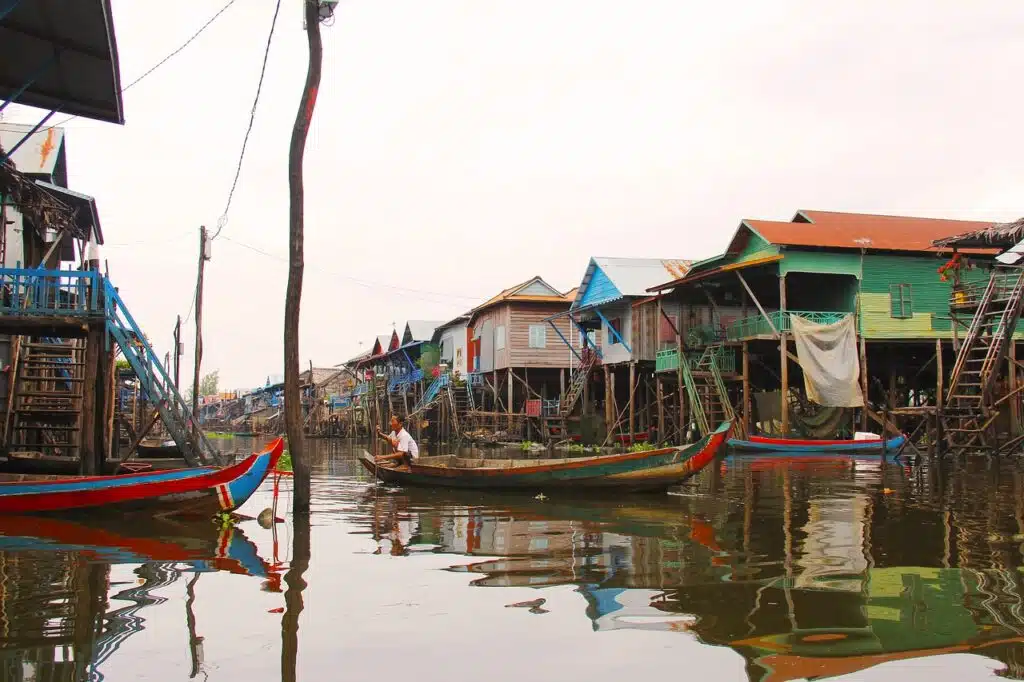
About 30 km away, this village has houses on stilts up to 10 metres high. In the wet season, moreover, boats glide through a flooded forest.
Kampong Khleang
Further away, this is the largest community on the lake. In fact, it feels more authentic and less crowded.
Birdlife on Tonlé Sap Lake
The Prek Toal bird sanctuary is home to rare storks, pelicans and ibises. So, birdwatchers should visit early in the dry season with a specialist guide.
Best Time to Visit
From about August to November, the water is high and the villages float. In contrast, in the dry season, stilt houses stand high above the mud. Also, boat access can be difficult when the water is very low.
Visiting Responsibly
- Choose community tours: They share income with local families.
- Avoid scams: Agree prices in advance and be wary of requests to buy rice for “orphanages”.
- Respect privacy: Ask before photographing people and homes.
Getting There
Most visitors leave from Siem Reap by tuk-tuk, taxi or organised tour. Then, boats leave from village docks. For more ideas, see the official Tourism of Cambodia website.
Final Thoughts on Tonlé Sap Lake
In short, the lake reveals a way of life shaped entirely by water. Afterwards, discover Phnom Penh or taste Khmer cuisine. Discover all our Cambodia travel guides.