


Italy is a country of ancient ruins, Renaissance art, beautiful coastlines and legendary food. In the north, Venice and the lakes enchant visitors. Meanwhile, Rome and Florence hold some of the world’s greatest treasures. In the south, moreover, the Amalfi Coast and Sicily offer sunshine and dramatic scenery.
Most first trips combine Rome, Florence and Venice. Then, travellers add Tuscany, the Amalfi Coast or the Cinque Terre.
Read more about Italy
Top Cities in Italy
Rome
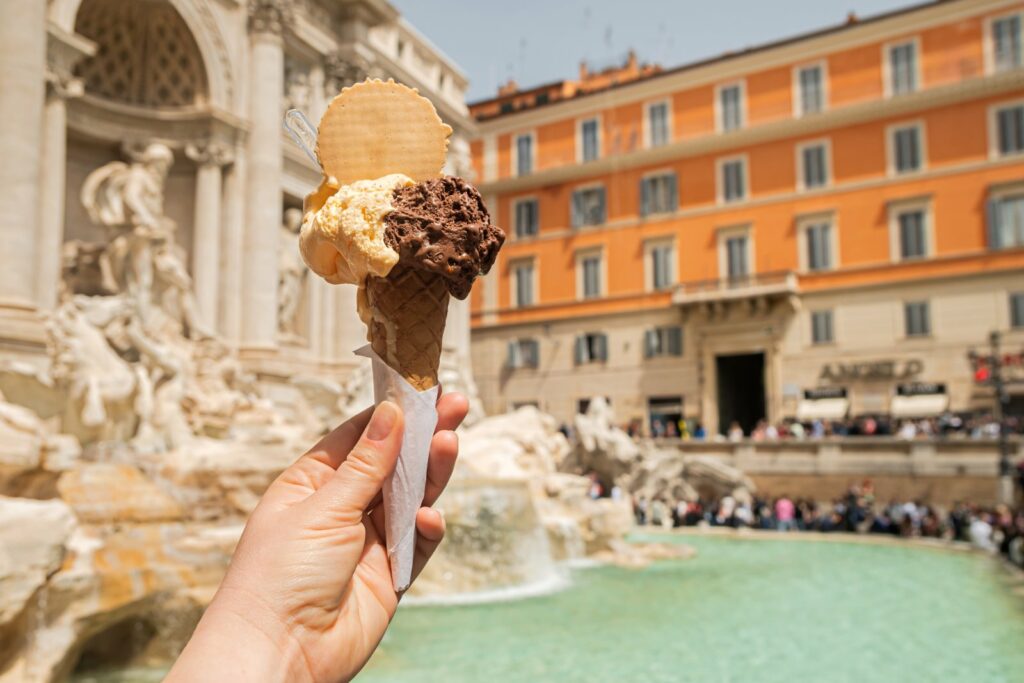
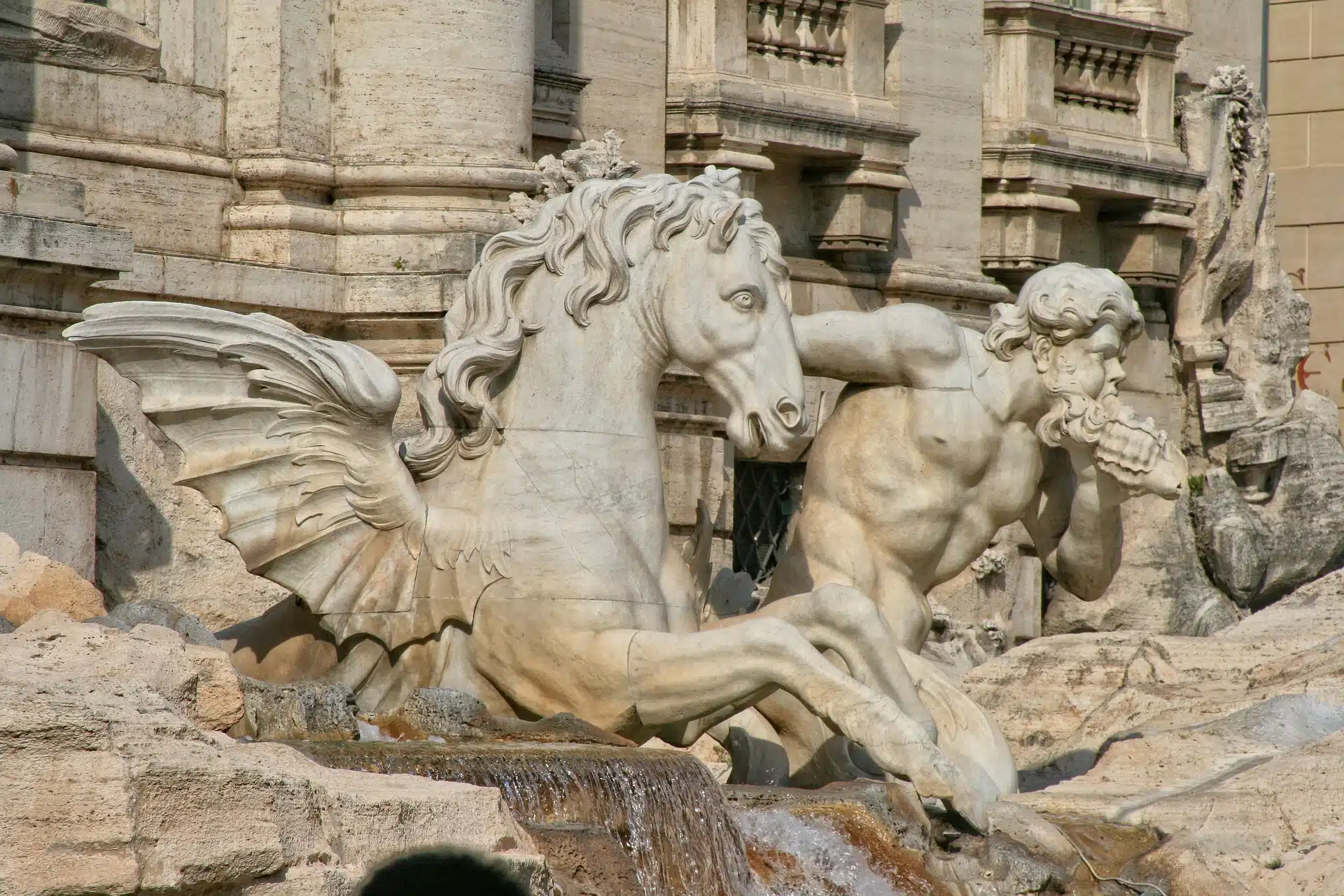
First, the capital is an open-air museum. For example, visit the Colosseum, the Roman Forum and the Pantheon. Then, cross into Vatican City for St Peter’s Basilica and the Sistine Chapel. In the evening, throw a coin into the Trevi Fountain. Read our Rome guide.
Florence
Next, the cradle of the Renaissance has the Duomo, the Uffizi Gallery and the Ponte Vecchio. Also, climb Brunelleschi’s dome for great views. See our Florence guide.
Venice
Meanwhile, Venice has canals instead of streets. So, explore St Mark’s Basilica and the Doge’s Palace, then take a boat to Murano and Burano. Day visitors must pay an access fee on some peak days, so check before you go. Discover our Venice guide.
Milan, Verona and Bologna
In addition, Milan is the capital of fashion, with its Duomo and The Last Supper. Also, Verona has a Roman arena and Juliet’s balcony. Finally, Bologna is famous for its porticoes, towers and food.
Naples
Further south, Naples is lively, chaotic and the home of pizza. Moreover, it is the best base to visit Pompeii and Herculaneum, buried by Vesuvius in 79 AD.
Regions and Landscapes of Italy
Tuscany and the Coast
Tuscany offers rolling hills, cypress trees and Chianti vineyards. Nearby, Pisa has its famous leaning tower. Further north, the five villages of the Cinque Terre cling to the cliffs.
Lakes and Mountains
In the north, the great lakes, such as Como and Garda, have elegant villas and boat trips. Meanwhile, the Dolomites offer skiing in winter and spectacular hiking in summer.
The South and the Islands
On the Amalfi Coast, Positano and Ravello overlook a deep blue sea. Nearby, Capri is famous for its Blue Grotto. Also, Puglia has whitewashed towns and trulli houses. Finally, Sicily and Sardinia combine beaches with unique cultures.
A Short History of Italy
First, Rome grew from a small city into a huge empire. Its roads, temples and arenas still stand across the country. Later, powerful city-states, such as Florence and Venice, grew rich from trade and banking.
As a result, the Renaissance flourished with artists like Leonardo, Michelangelo and Raphael. However, the country only became united in 1861. Then, after the Second World War, it became a republic in 1946. Today, it has more UNESCO World Heritage sites than almost any other country.
Food and Wine in Italy
Italian cuisine is world-famous, and every region adds its own flavours. For instance, eat pizza in Naples, fresh pasta and ragù in Bologna, and bistecca alla fiorentina in Florence. Also, in Sicily, arancini and cannoli are a must. Read more in our Italian cuisine guide.
Meals follow their own rules. For example, Italians drink cappuccino only in the morning. Before dinner, many enjoy an aperitivo with small snacks. Moreover, gelato shops tempt you on nearly every corner.
Festivals and Events
- February: the Carnival of Venice fills the city with masks and costumes.
- Easter: processions take place across the country, especially in Sicily.
- 2 July and 16 August: the Palio horse race takes over Siena’s main square.
- Summer: opera nights at the Arena di Verona.
- 15 August: Ferragosto, a national holiday when many Italians head to the beach.
- Autumn: truffle and wine harvest festivals in Piedmont and Tuscany.
Practical Tips
- Use fast trains: high-speed trains link Milan, Florence, Rome and Naples.
- Book major sights: the Vatican Museums, the Uffizi and The Last Supper sell out.
- Cover up in churches: shoulders and knees should be covered.
- Expect a cover charge: many restaurants add a small coperto per person.
- Avoid driving in old towns: limited traffic zones (ZTL) bring heavy fines.
For more ideas, see the official Italia.it tourism website.
Basic Words and Expressions to Use in Italy
English is common in tourist areas, but less so in small towns. Still, a few words of Italian make a real difference. Above all, a warm “buongiorno” opens many doors.
Finally, Italians talk with their hands, so do not be shy. If you make mistakes, don’t worry: the effort is always appreciated.
Italy Travel FAQ
We recommend 10 to 14 days for a first trip. That way, you can see Rome, Florence and Venice, plus one region. With one week, however, focus on two cities. With three weeks, you can add the south or an island.
Count €120 to €170 per person per day. Rome, Venice, Florence and the Amalfi Coast are the most expensive. However, the south and the countryside are cheaper, and lunch menus offer good value.
The best period is April to October. May, June and September are ideal, with warm weather and fewer crowds. July and August, by contrast, are hot and busy, especially on the coasts. In winter, the Dolomites are perfect for skiing.
The country is part of the Schengen Area. Many visitors can stay up to 90 days without a visa. Still, always check the latest entry rules for your passport before you travel.
Tipping is not expected, because a cover charge or service is often included. However, leaving a few euros for good service is appreciated.
Fast trains are best between big cities. For Tuscany, Puglia or Sicily, however, a rental car gives you more freedom. On the coasts and lakes, ferries are often the most scenic option.
In short, the country offers art, history, landscapes and food at every turn. So, combine two or three cities with one region. Explore our detailed guides for each destination.