


Bolivia is one of the most authentic countries in South America. It combines the giant Salar de Uyuni salt flat, colourful lagoons, high Andean cities and the Amazon jungle. Moreover, indigenous traditions are very much alive. So, it rewards adventurous travellers with unforgettable landscapes.
Most first trips start in La Paz, then head to Lake Titicaca and the Salar de Uyuni. Along the way, colonial Sucre and Potosí reveal the country’s past.
Read more about Bolivia
Top Places to Visit in Bolivia
La Paz
First, La Paz fills a deep canyon below snowy peaks. Ride the cable cars of Mi Teleférico for amazing views, then explore the Witches’ Market. Nearby, the ancient ruins of Tiwanaku make a great day trip.
Salar de Uyuni and the South
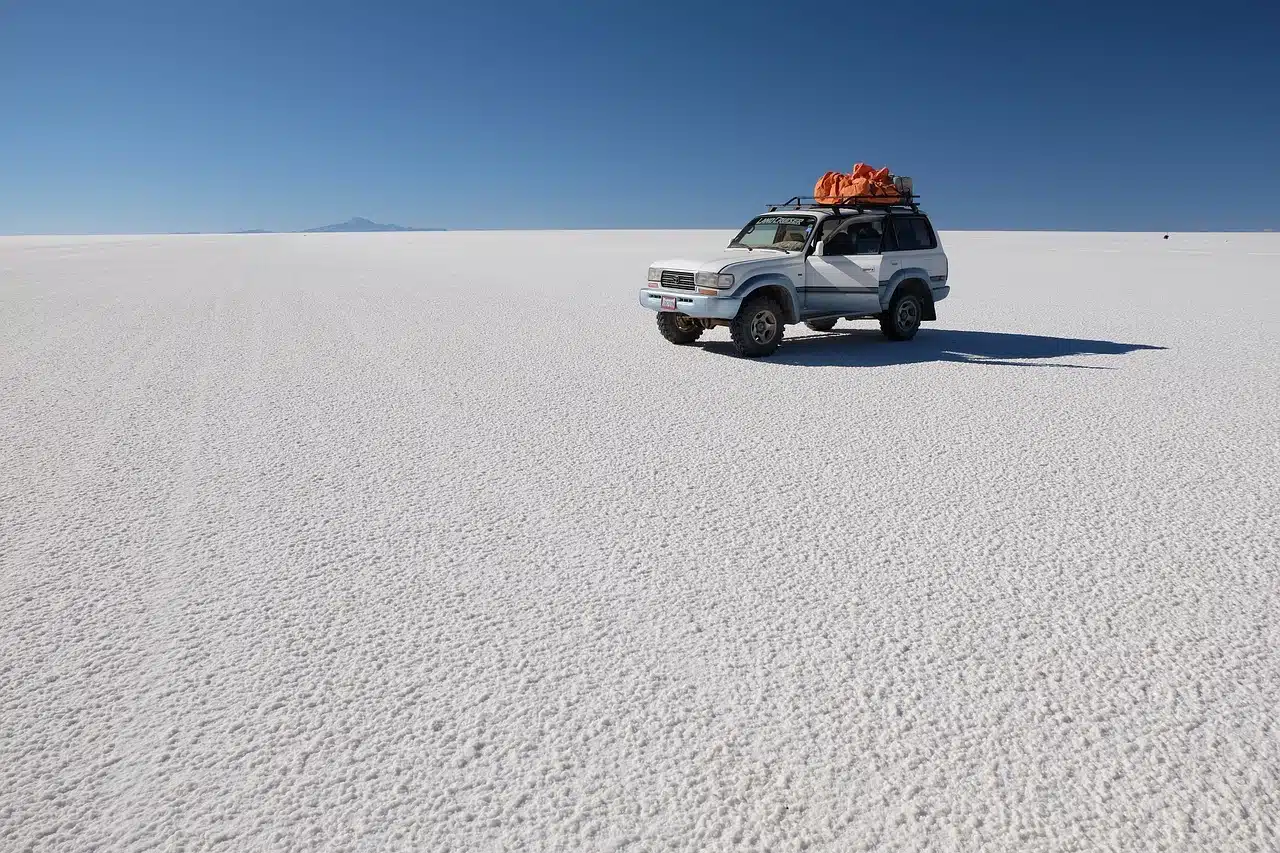
Then, the Salar de Uyuni is the largest salt flat in the world. In the rainy season, it becomes a giant mirror. Usually, tours continue for three days to the flamingos of Laguna Colorada.
Lake Titicaca, Sucre and Potosí
From Copacabana, boats reach the Isla del Sol on Lake Titicaca. Meanwhile, Sucre charms with white colonial buildings. Nearby, Potosí was once one of the richest cities in the world, thanks to its silver mine.
Adventure and Nature in Bolivia
- Death Road: A famous mountain bike descent, best done with a reliable agency.
- Huayna Potosí: A 6,000-metre peak for experienced climbers.
- Madidi National Park: Amazon jungle with incredible biodiversity.
A Short History of Bolivia
First, the Tiwanaku civilisation flourished near Lake Titicaca. Later, the Incas ruled the region. Then, the Spanish arrived and exploited the silver of Potosí. In 1825, the country became independent and took its name from Simón Bolívar.
Today, more than half of Bolivians are indigenous, mainly Quechua and Aymara. As a result, the country officially recognises dozens of languages.
Food in Bolivia
For breakfast, try salteñas, juicy baked pastries. Also, taste quinoa soups and silpancho. To fight the altitude, drink coca tea. Moreover, markets serve cheap and filling set lunches.
Practical Tips
- Take it slow: La Paz is over 3,600 metres high, so rest on arrival.
- Carry cash: cards are rarely accepted outside cities.
- Choose tours carefully: pick agencies with good safety reviews for Uyuni and Death Road.
- Pack warm layers: nights on the Altiplano are freezing.
Basic Words and Expressions to Use in Bolivia
Spanish is the main language, but many people also speak Quechua or Aymara. English is rare outside tourist areas. So, a few words of Spanish make a real difference.
Finally, Bolivians are often reserved at first. However, a polite greeting always opens doors.
Bolivia Travel FAQ
We recommend two weeks for a first trip. That way, you can see La Paz, Lake Titicaca, Sucre and the Salar de Uyuni. With ten days, however, focus on La Paz and Uyuni.
Count $30 to $100 per person per day. In fact, the country is one of the cheapest in South America. However, multi-day Uyuni tours and jungle lodges cost more.
The best period is May to October, during the dry season. However, nights are very cold. From January to March, rain turns the Salar de Uyuni into a giant mirror.
Many nationalities can visit visa-free for short stays, while others need a visa. So, always check the latest requirements for your passport before you travel.
Tipping is not compulsory. However, leaving around 10% in restaurants and tipping tour guides and drivers is appreciated.
Long-distance buses link most cities, and night buses save time. Also, short domestic flights avoid long mountain roads. For Uyuni, join an organised 4×4 tour.
In short, the country offers salt flats, lagoons, Andean cities and living traditions. So, combine La Paz with Lake Titicaca and Uyuni. Explore our detailed guides for each destination.