Huayna Potosí rises to 6,088 metres in the Cordillera Real, just north of La Paz in Bolivia. It is often called one of the most accessible 6,000-metre peaks in the world. However, it is still a serious high-altitude climb on glaciers. So, good acclimatisation and a certified guide are essential.
This guide covers the climb, preparation, equipment, the best season and safety tips.
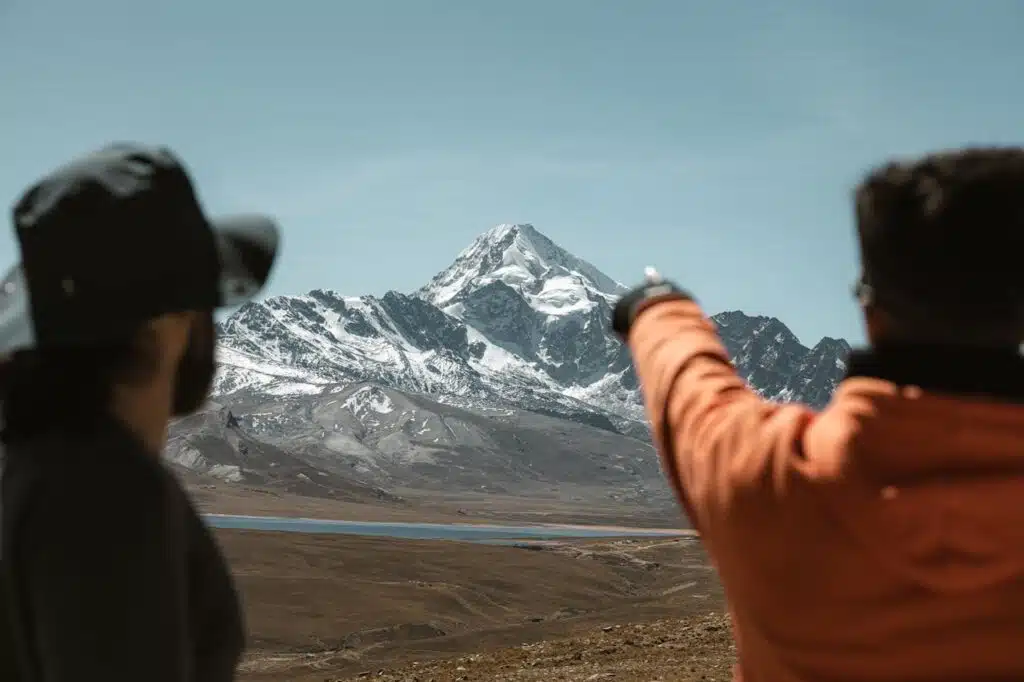
Why Climb Huayna Potosí?
The mountain is only about two hours from La Paz. Moreover, the standard route is not very technical. As a result, many people choose it for their first 6,000-metre summit. From the top, the views over the Cordillera Real and the Altiplano are breathtaking.
The Climb Step by Step
Day 1: Base Camp
Climbers drive to the base camp near the Zongo Pass, at about 4,700 metres. Then, many tours include ice-climbing practice on a nearby glacier. Here, you learn to use crampons, ice axes and ropes.
Day 2: High Camp
Next, a steep path climbs to the high camp at around 5,130 metres. The hike takes about three to four hours with a heavy pack. After an early dinner, climbers rest until midnight.
Day 3: Summit Day
Around 1 am, roped teams set off across the glacier. In the dark, they cross snow slopes and crevasse zones. Finally, a narrow ridge leads to the summit, ideally at sunrise. Afterwards, climbers descend all the way to base camp.
Preparation
Above all, spend several days in La Paz, at about 3,600 metres, before the climb. Also, do acclimatisation hikes, for example at Chacaltaya or around Lake Titicaca. In addition, good physical fitness makes the long summit day easier.
Equipment for Huayna Potosí
Agencies in La Paz rent boots, crampons, harnesses, ice axes and warm clothing. However, check every item carefully before you leave. Also, bring your own sunglasses, sunscreen and warm gloves.
Best Time to Climb Huayna Potosí
The dry season, from May to September, offers the most stable conditions. In contrast, the rainy season brings more snow, clouds and avalanche risk.
Safety Tips
- Choose a reputable agency: Check guide qualifications and reviews.
- Know the symptoms of altitude sickness: Headache, nausea and confusion mean you must descend.
- Turn back if needed: The summit is optional, but coming back is not.
- Get insurance: Make sure it covers mountaineering above 6,000 metres.
Getting There
Agencies provide transport from La Paz to base camp in about two hours. Also, La Paz has flights from Santa Cruz, Sucre and abroad. For more ideas, see the Lonely Planet guide to Bolivia.
Final Thoughts on Huayna Potosí
In short, this climb offers a real high-altitude adventure close to a capital city. Afterwards, cycle the Death Road or visit the Salar de Uyuni. Discover all our Bolivia travel guides.