


Croatia is a Mediterranean gem with over a thousand islands and crystal-clear water. It combines Roman palaces, medieval walled towns and spectacular waterfalls. Moreover, its seafood and wines are excellent. So, it is perfect for a summer trip along the Adriatic coast.
Most first trips follow the coast from Split to Dubrovnik. Along the way, travellers add Plitvice Lakes and islands such as Korčula.
Read more about Croatia
Top Cities in Croatia
Dubrovnik
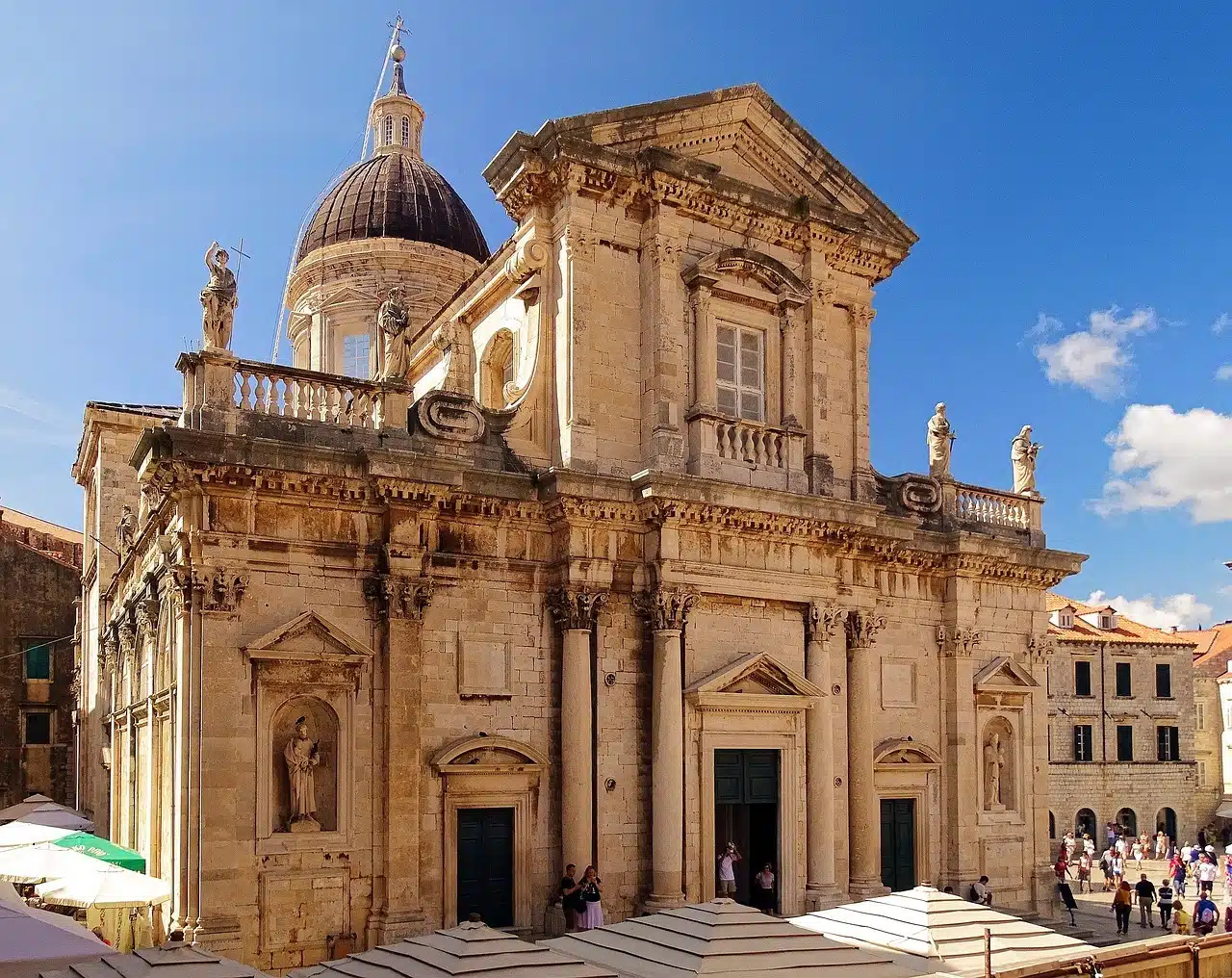
First, the “Pearl of the Adriatic” is surrounded by mighty stone walls. Walk the walls at opening time, then take the cable car for sunset views. However, cruise crowds can be intense, so visit early or late. Read our Dubrovnik guide.
Split and Trogir
Next, Split was built around the palace of the Roman emperor Diocletian. Today, people live and eat inside its ancient walls. Nearby, Trogir is a tiny medieval island town.
Zagreb and Rovinj
Inland, the capital, Zagreb, has a charming upper town and cosy cafés. In Istria, Rovinj is a romantic fishing town with Italian flair.
Nature and Islands of Croatia
Plitvice Lakes has 16 turquoise lakes linked by waterfalls and wooden walkways. So, book tickets online in summer. Offshore, Korčula claims to be Marco Polo’s birthplace. Also, Mljet National Park offers saltwater lakes and peaceful forests.
A Short History of Croatia
First, the Romans ruled the coast and left Diocletian’s Palace. Later, Venice, Hungary and the Habsburgs controlled different regions. Meanwhile, Dubrovnik was a rich independent republic for centuries. In the 20th century, Croatia became part of Yugoslavia. Finally, it declared independence in 1991 and joined the EU in 2013.
Food and Wine in Croatia
On the coast, try grilled fish, black risotto and octopus salad. In Istria, truffles and olive oil are highlights. Also, peka, meat or octopus slow-cooked under a bell, is a must. To drink, taste local wines such as Plavac Mali.
Practical Tips
- Book ferries early: island boats fill up in summer.
- Bring water shoes: many beaches are pebbly.
- Avoid peak August: June and September are calmer and cheaper.
For more ideas, see the official Croatia tourism website.
Basic Words and Expressions to Use in Croatia
Many Croatians speak good English, especially on the coast. Still, a few words of Croatian bring big smiles. Above all, “hvala” (thank you) is easy and always appreciated.
Finally, Croatian is written phonetically. So, once you know that “c” sounds like “ts” and “j” like “y”, you can read most words.
Croatia Travel FAQ
We recommend 7 to 10 days for a first trip. That way, you can see Split, Plitvice Lakes, Dubrovnik and one island. With two weeks, however, you can add Istria and Zagreb.
Count €50 to €70 per person per day for a budget trip. However, Dubrovnik and the islands in July and August cost much more.
The best period is May and June, with warm sea and fewer crowds. September is also lovely. In contrast, July and August are hot and very busy.
The country is part of the EU and the Schengen Area. Many visitors can stay up to 90 days without a visa. Still, always check the latest entry rules for your passport before you travel.
Tipping is not compulsory. However, rounding up or leaving around 10% for good service is appreciated.
Buses link the coastal towns and are reliable. Also, ferries and catamarans connect the islands. For Istria and Plitvice, a rental car gives you more freedom.
In short, the country offers historic towns, islands, waterfalls and great seafood. So, combine Split, Plitvice and Dubrovnik. Explore our detailed guides for each destination.