


Cuba is a Caribbean island of classic cars, colourful colonial streets and endless music. It combines white-sand beaches, tobacco valleys and a fascinating history. Moreover, Cubans are warm, proud and full of energy. So, a trip here feels like stepping into another time.
Most first trips start in Havana. Then, travellers head to the tobacco farms of Viñales and colonial Trinidad, before relaxing in Varadero.
Read more about Cuba
Top Places to Visit in Cuba
Havana
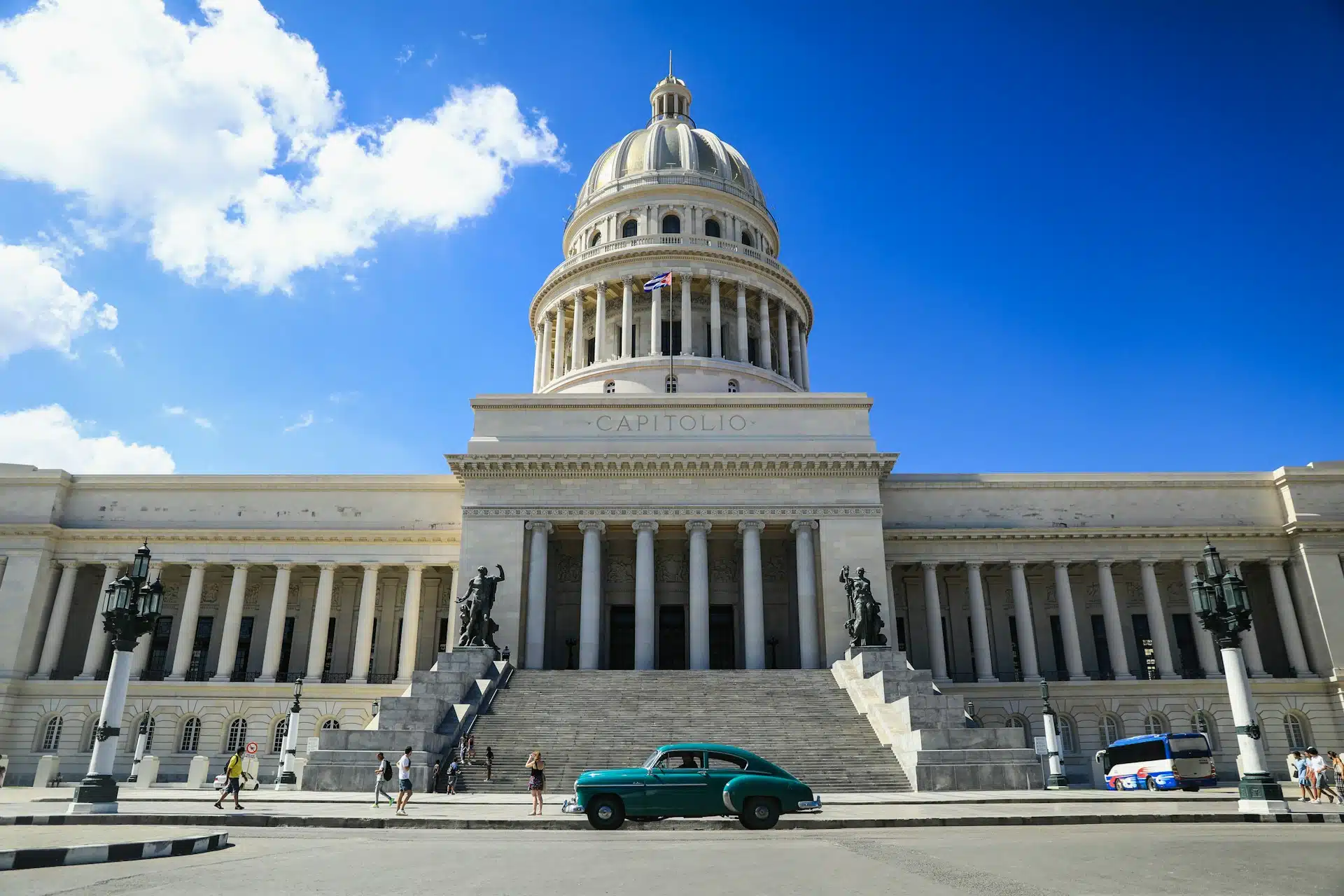
First, the capital charms with its faded colonial buildings and vintage cars. Walk through Old Havana, along the Malecón seafront and into lively squares. In the evening, live music fills the bars. Read our Havana guide.
Cities and Countryside
- Viñales: Limestone hills, tobacco farms and horseback rides.
- Trinidad: Cobbled streets and pastel houses frozen in time.
- Cienfuegos: An elegant bay city with French influence.
- Santiago de Cuba: The cradle of son music and the revolution.
Beaches of Cuba
For beach time, Varadero has a long stretch of white sand and many resorts. Meanwhile, Cayo Coco offers turquoise water and quiet keys. Also, the reefs are great for snorkelling and diving.
A Short History of Cuba
First, Columbus arrived in 1492, and Spain ruled the island for centuries. Sugar plantations relied on enslaved Africans, whose culture shaped Cuban music and religion. Then, independence came in 1902, after long wars.
In 1959, Fidel Castro’s revolution changed the country. As a result, Cuba became a socialist state. Today, it faces economic difficulties, but its culture remains incredibly rich.
Food and Music in Cuba
Try ropa vieja, shredded beef, with black beans and rice. Also, private restaurants, called paladares, usually serve the best food. To drink, a mojito or a daiquiri is a must.
Music is everywhere, from son and salsa to rumba. So, join a salsa class or simply follow the sound into a local bar.
Practical Tips
- Bring cash: many foreign bank cards do not work, so carry euros or other cash.
- Stay in casas particulares: family guesthouses are welcoming and authentic.
- Expect shortages: power cuts and shortages happen, so pack basic medicines and a torch.
- Plan for limited internet: download maps offline before you go.
Basic Words and Expressions to Use in Cuba
English is spoken in tourist places, but much less elsewhere. Cubans speak fast and often drop the “s” at the end of words. Still, a few words of Spanish make a real difference.
Finally, “¿Qué bolá?” is the local way to say “What’s up?”. Use it and watch people laugh with delight.
Cuba Travel FAQ
We recommend 10 to 14 days for a first trip. That way, you can see Havana, Viñales, Trinidad and a beach. With one week, however, focus on Havana and one region.
Count €30 to €100 per person per day. Casas particulares and paladares are good value. However, resorts and private taxis cost more, and prices change quickly.
The best period is December to April, during the dry and cooler season. In contrast, summer is hot and humid, and hurricane season runs from June to November.
Most visitors need a tourist card or an e-visa, plus an online entry form called D’Viajeros. Also, some nationalities face special rules. So, always check the latest requirements before you travel.
Yes, tipping is very appreciated, as local salaries are low. For example, leave around 10% in restaurants and tip guides, drivers and musicians.
Viazul tourist buses link the main destinations. Also, shared or private taxis are convenient for longer trips. In Havana, classic car taxis are part of the fun.
In short, the country offers vintage charm, music, beaches and history. So, combine Havana with Viñales and Trinidad. Explore our detailed guides for each destination.