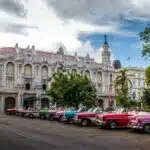
Santiago de Cuba is the second-largest city in Cuba, on the island’s southeastern coast. Indeed, it is often called the cradle of the Cuban Revolution. Moreover, it is the heart of Afro-Cuban music and culture. As a result, the city feels hotter, louder and more Caribbean than Havana.
Between the mountains and the sea, you will find colonial squares, fortresses and lively music halls. This guide covers the top sights, festivals and practical tips.
History of Santiago de Cuba
Founded by the Spanish in 1515, Santiago de Cuba was the island’s first capital. Later, it played a key role in the wars of independence and the revolution.
Moncada Barracks
On 26 July 1953, Fidel Castro and his rebels attacked these barracks. The attack failed, but it launched the revolution. Today, part of the building is also a museum, and bullet marks are still visible on the facade.
Santa Ifigenia Cemetery
Similarly, this cemetery holds the tombs of national heroes. For example, José Martí rests in a grand mausoleum. Also, Fidel Castro’s ashes lie inside a simple boulder nearby. Every 30 minutes, a solemn changing of the guard takes place at Martí’s tomb.
Castillo del Morro
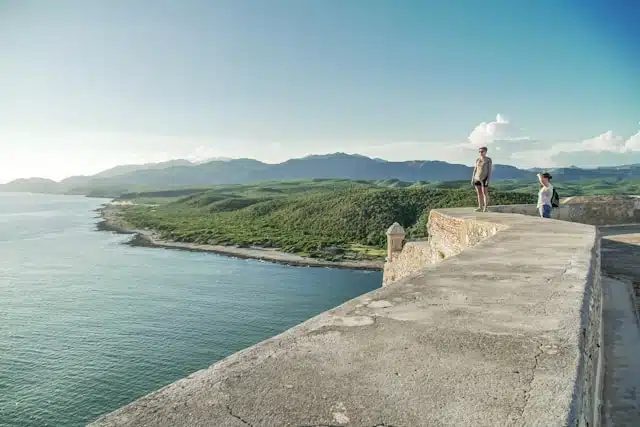
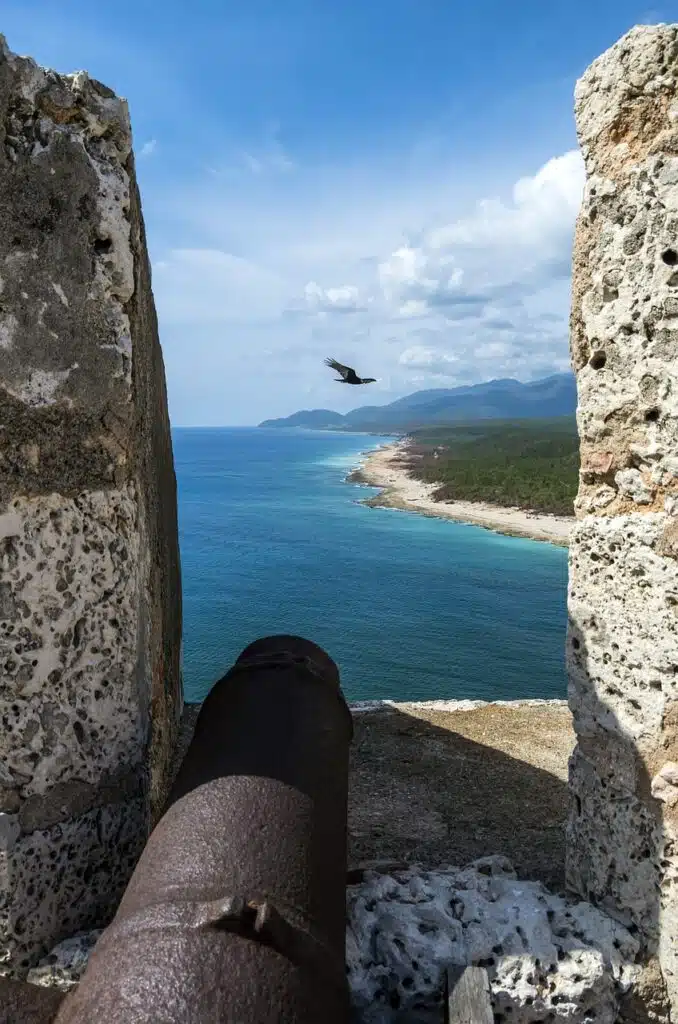
The San Pedro de la Roca Castle guards the entrance to the bay. Built in the 17th century against pirates, it is a UNESCO World Heritage site. Inside, a museum also tells the story of pirates and sea battles. Above all, come at sunset for superb views over the Caribbean.
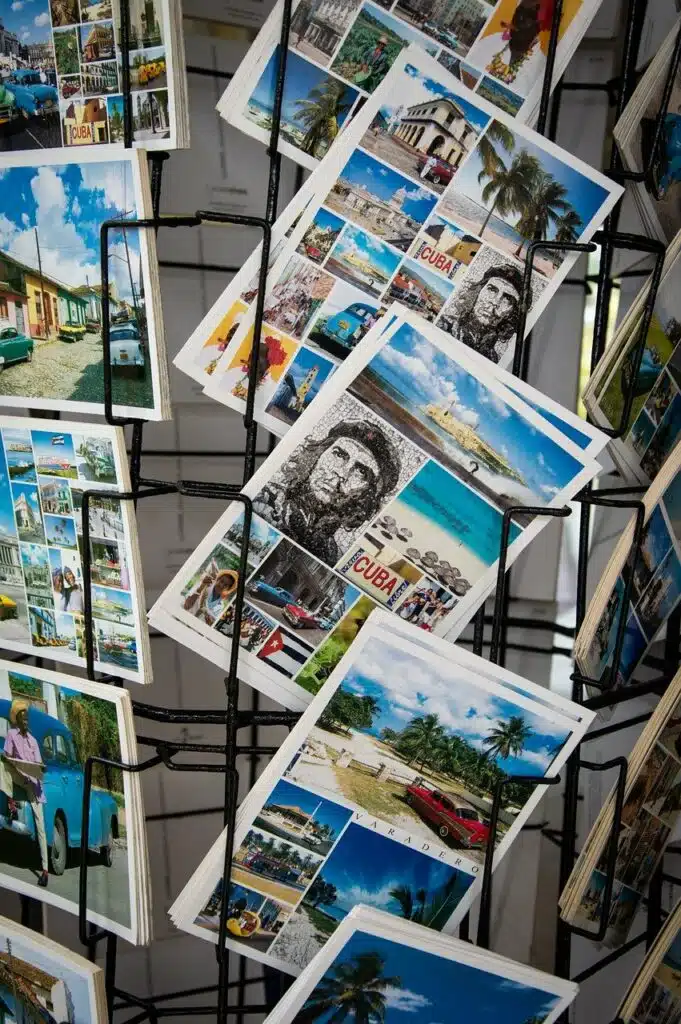
Music and Afro-Cuban Culture in Santiago de Cuba
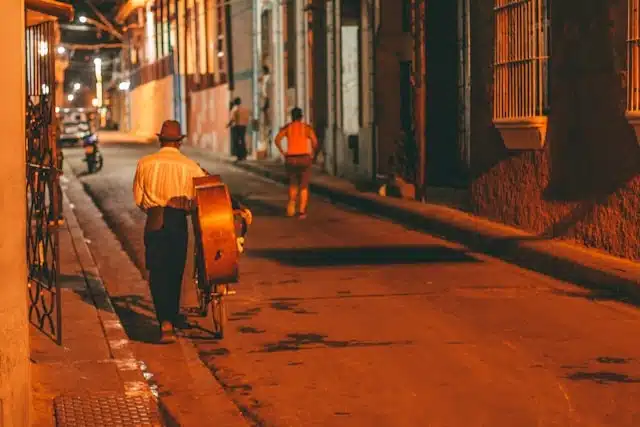
Many styles of Cuban music were born or shaped here, including son and bolero. In addition, the city keeps strong African and Haitian traditions, such as the tumba francesa dance. So, music is everywhere, from street corners to small bars.
Casa de la Trova is the most famous place to hear it. Here, for example, local bands play traditional music every afternoon and evening. Then, people of all ages get up and dance.
The Carnival of Santiago de Cuba
Every July, Santiago de Cuba hosts the biggest carnival in the country. For several days, colourful parades, conga bands and costumes fill the streets. Therefore, it is the best time to feel the city’s energy. However, rooms fill up quickly, so book early.
Colonial Santiago de Cuba
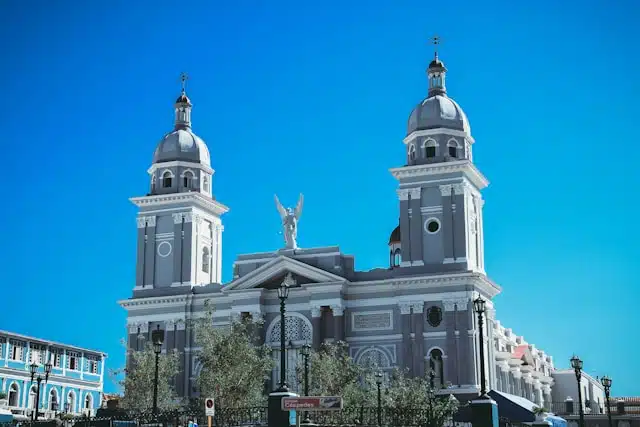
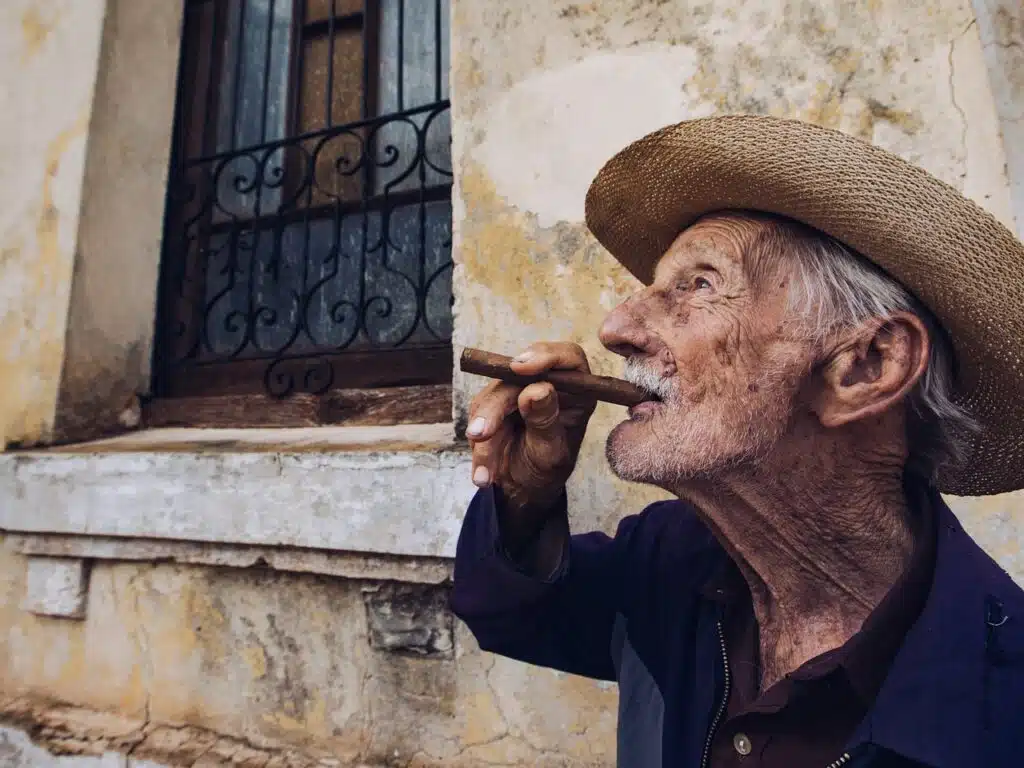
Parque Céspedes is the lively heart of the old town. On one side, for instance, stands the cathedral, rebuilt several times after earthquakes. On another, Casa de Diego Velázquez is considered the oldest house in Cuba. Today, it is a museum of colonial furniture. Also, climb the steps of Padre Pico street for views over the rooftops.
Nature and Day Trips
- El Cobre: This basilica shelters Cuba’s patron saint, the Virgin of Charity. Consequently, it is an important pilgrimage site.
- Sierra Maestra: These mountains hid Castro’s rebels. Today, hikers can climb Pico Turquino, Cuba’s highest peak.
- Gran Piedra: A huge rock on a mountain ridge, with views over the coast as well.
- Playa Siboney: A relaxed beach just outside the city, perfect for a lazy afternoon.
Practical Tips
- Stay in a casa particular: Private guesthouses also offer local hospitality and good breakfasts.
- Bring cash: Cards often don’t work. Also, check current exchange rules before you travel.
- Expect power cuts: Shortages and blackouts are common in Cuba. So, pack a torch and a power bank.
- Beware of the heat: Santiago is one of the hottest cities in Cuba. Therefore, explore early and late in the day.
How to Get to Santiago de Cuba
Domestic flights link Havana to Santiago’s Antonio Maceo Airport. Alternatively, long-distance buses make the trip, but it takes most of a day. For more about the fortress, see the UNESCO page for San Pedro de la Roca Castle.
A City Rich in Tradition and Revolution
Santiago de Cuba is passionate, musical and full of history. Above all, it shows a side of Cuba that many visitors miss. Afterwards, continue to Trinidad or Viñales. Discover all our Cuba travel guides.