Santiago de Compostela is the capital of Galicia, in northwest Spain. It is the final destination of the Camino de Santiago, one of the world’s great pilgrimages. Moreover, its old town of granite streets is a UNESCO World Heritage site. As a result, Santiago de Compostela attracts pilgrims and travellers from all over the world.
So, this guide covers the cathedral, the Camino, the old town, local food and practical tips.
The Cathedral of Santiago de Compostela
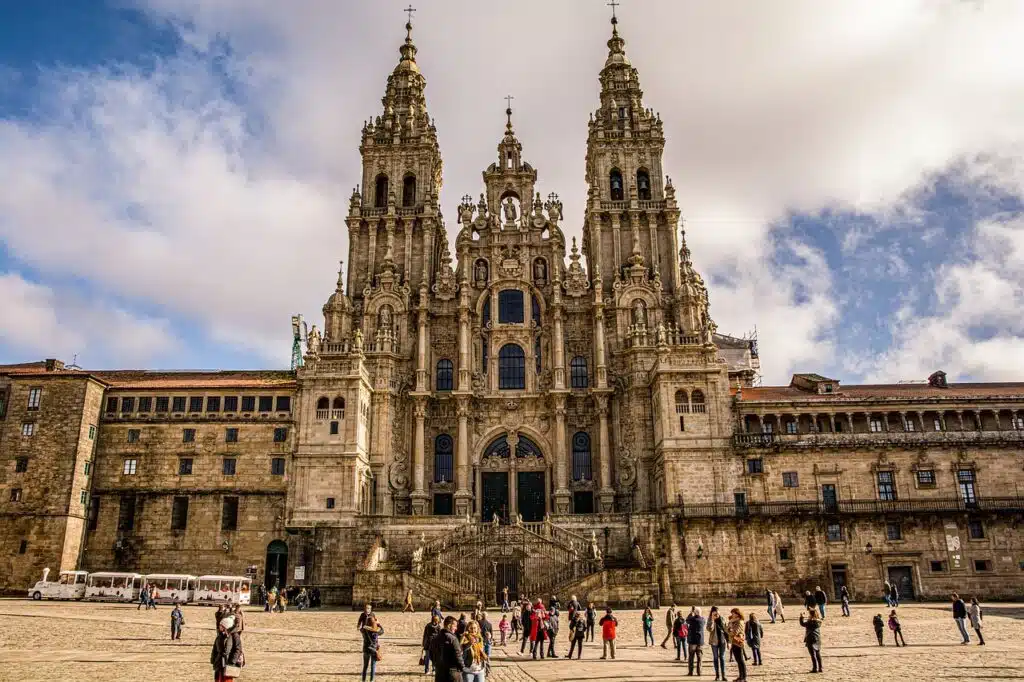
According to tradition, the cathedral holds the remains of Saint James the Apostle. The building mixes Romanesque, Gothic and Baroque styles. Above all, admire the grand Baroque facade on Praza do Obradoiro. Inside, the Romanesque Portico of Glory is a masterpiece of medieval sculpture.
Visitors can also see the silver casket of Saint James in the crypt. In addition, the giant incense burner, the Botafumeiro, swings across the nave on special occasions. So, check the schedule if you want to see it.
The Camino de Santiago
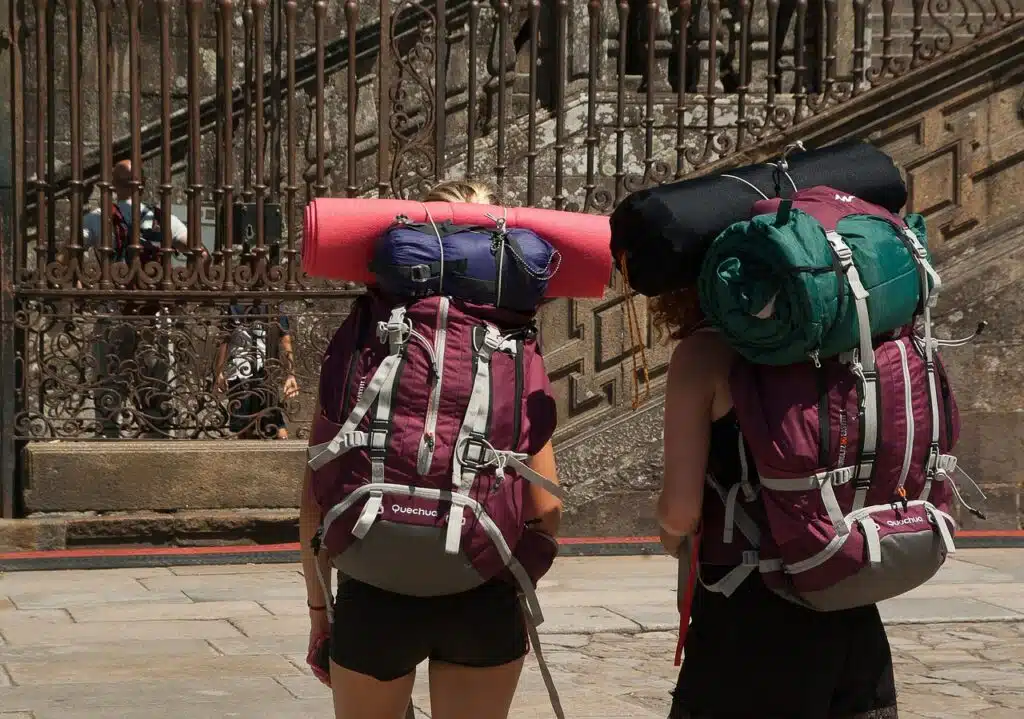
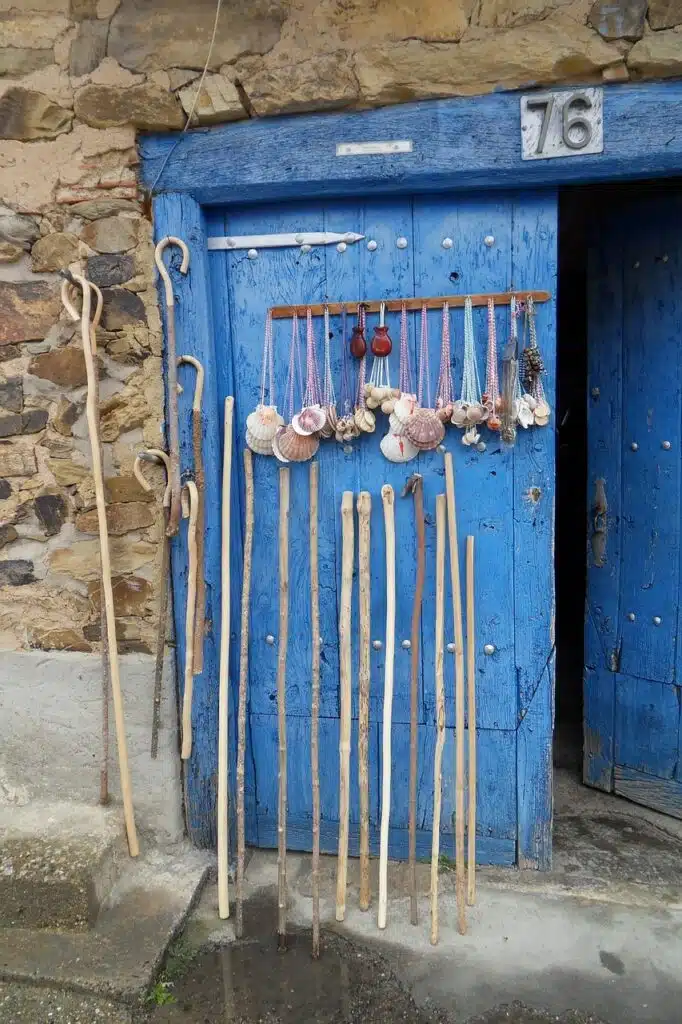
For more than a thousand years, pilgrims have walked to Santiago. Today, several routes cross Spain, Portugal and France. For example, the French Way starts in the Pyrenees and covers about 800 km. Pilgrims who walk the last 100 km receive a certificate called the Compostela. Then, many gather on Praza do Obradoiro, often overwhelmed with emotion.
The Historic Old Town
The old town is a maze of stone streets, arcades and squares. Also, you will find many churches and monasteries, such as San Martín Pinario. Meanwhile, Rúa do Franco is lined with tapas bars. Then, relax in Praza da Quintana or explore the Alameda park for views of the cathedral.
What to Eat in Santiago de Compostela
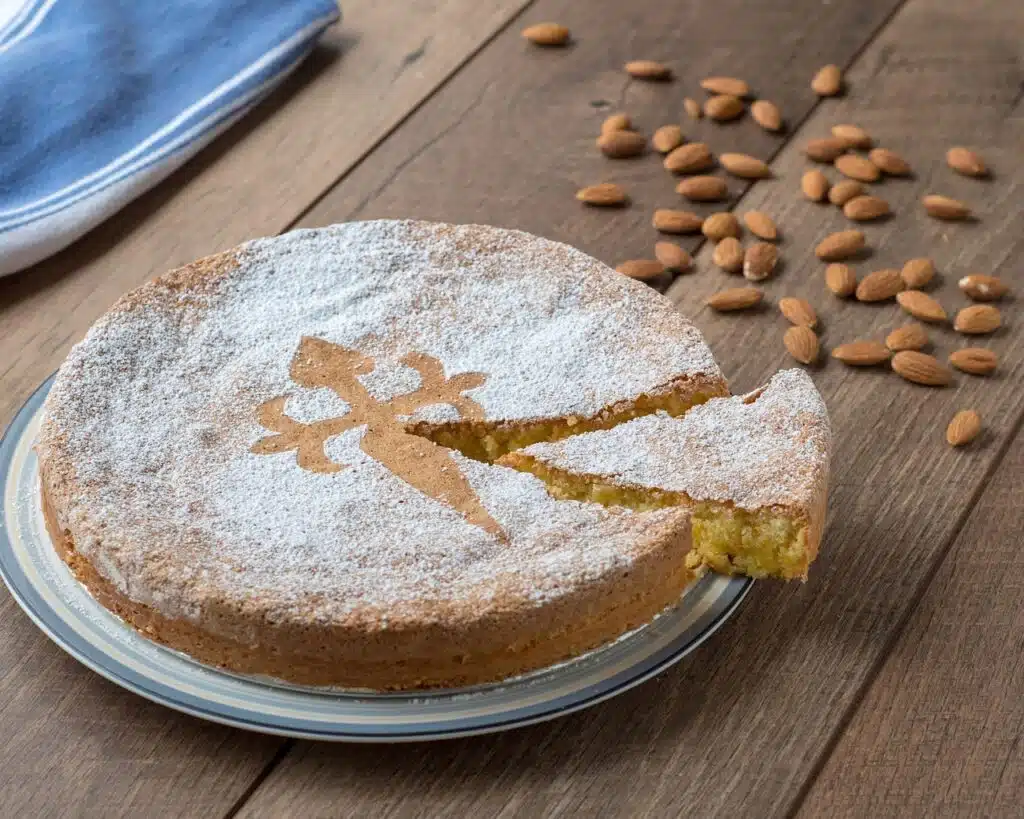
Galicia is famous for its seafood. For instance, try pulpo á feira, tender octopus with paprika and olive oil. Also, taste Padrón peppers and Galician empanada. For dessert, the almond tarta de Santiago is decorated with the cross of Saint James. Finally, pair your meal with a glass of Albariño white wine.
Festivals and Culture
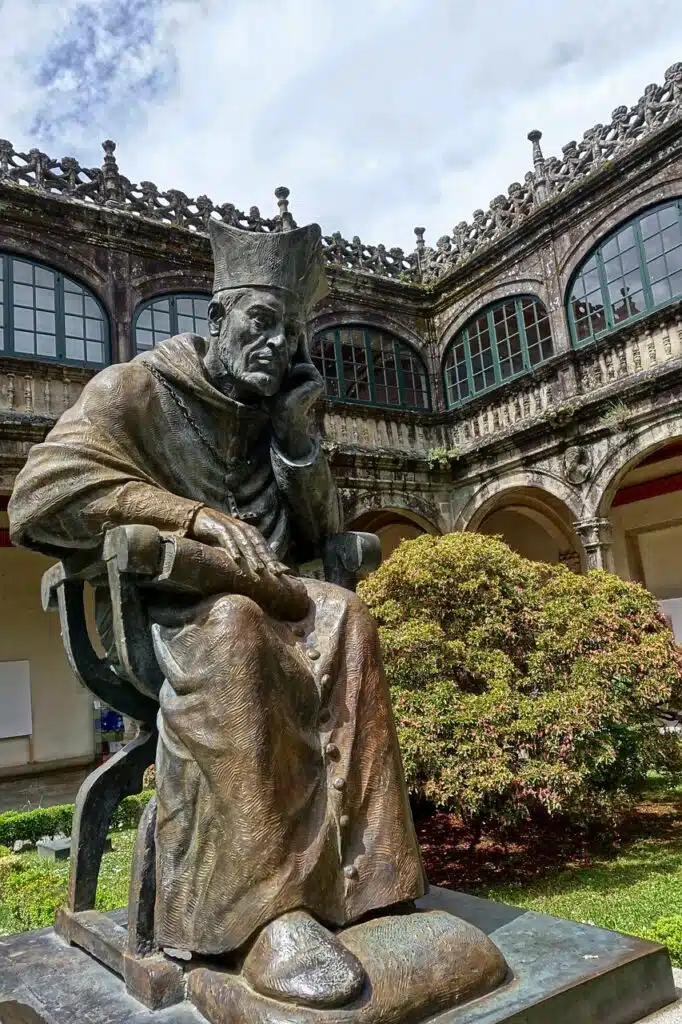
The Feast of Saint James on 25 July is the city’s biggest celebration. On the eve, fireworks light up the cathedral facade. In addition, museums such as the Museum of the Galician People and the Pilgrimage Museum explain local history. Also, the Mercado de Abastos is a lively food market.
Exploring Galicia
Santiago is a great base for exploring Galicia’s green landscapes. For example, the coast of Finisterre was once thought to be the end of the world. Meanwhile, the Rías Baixas offer seafood, beaches and vineyards.
Tips for Visiting Santiago de Compostela
- Bring an umbrella: It rains often, even in summer.
- Book the cathedral roof tour: It offers great views over the old town.
- Visit early: The cathedral is calmer before the pilgrims’ midday mass.
- Plan for Holy Years: When 25 July falls on a Sunday, the city is especially busy.
How to Get to Santiago de Compostela
Santiago Airport has flights from Spanish and European cities. Also, high-speed trains link the city with Madrid in about three and a half hours. For more about its heritage, see the UNESCO page for Santiago de Compostela.
Final Thoughts on Santiago de Compostela
Santiago de Compostela combines spirituality, history and excellent food. Whether you arrive on foot or by plane, it is unforgettable. Afterwards, explore Bilbao or San Sebastián. Discover all our Spain travel guides.