Olympia lies in a green valley of the western Peloponnese, in Greece. It is the birthplace of the ancient Olympic Games, first recorded in 776 BC. For more than a thousand years, athletes gathered here every four years. Today, Olympia is a UNESCO World Heritage site and one of the most moving places in the country.
Moreover, the site is peaceful, shaded by pine and olive trees. As a result, it feels very different from busy Athens. This guide covers the main monuments, the museums and practical tips for your visit.
Top Things to See in Olympia
The Ancient Sanctuary
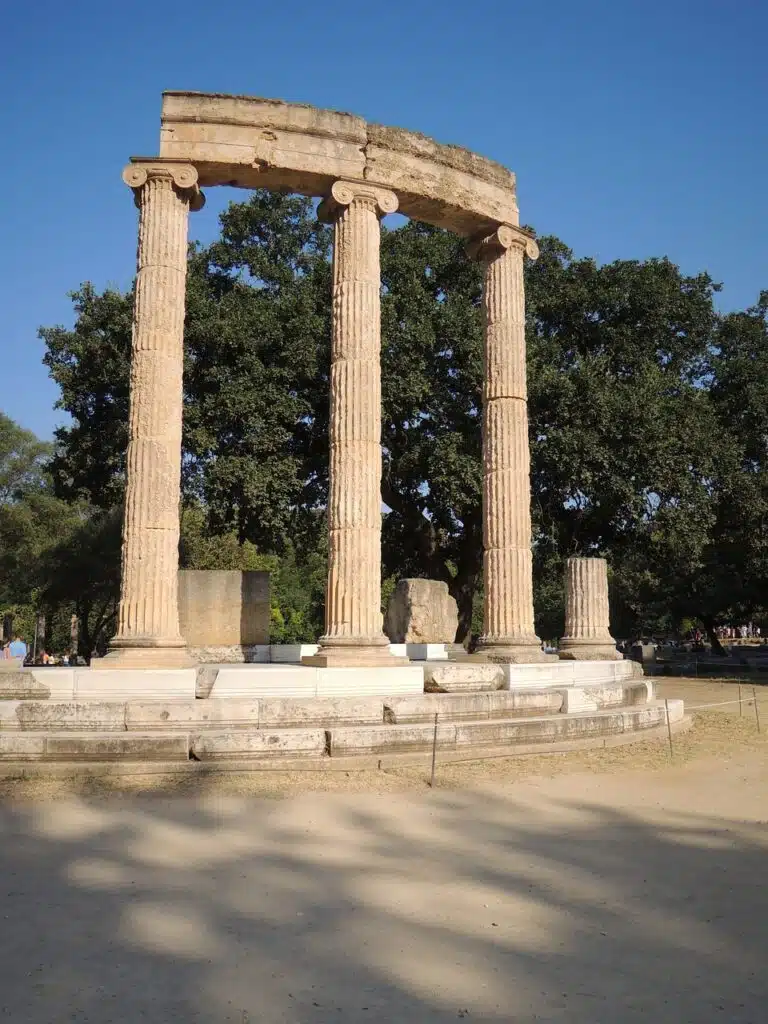
The sacred area, called the Altis, was dedicated to Zeus. Here, you will walk among the ruins of temples, treasuries and training halls. For example, the large gymnasium and the palaestra show where athletes practised wrestling and running. Also, don’t miss the workshop of Phidias, where a famous statue of Zeus was made.
Temple of Zeus
This huge temple once held a giant gold and ivory statue of Zeus. In fact, the statue was one of the Seven Wonders of the Ancient World. Earthquakes later toppled the temple. Still, its fallen column drums show how massive it was. One column has been rebuilt, so you can imagine its original height.
Temple of Hera
The Temple of Hera is one of the oldest temples in Greece. Today, it plays a key role in the modern Olympics too. In front of it, the Olympic flame is lit with the sun’s rays before every Games. Then, the torch relay begins its long journey to the host city.
The Ancient Stadium of Olympia
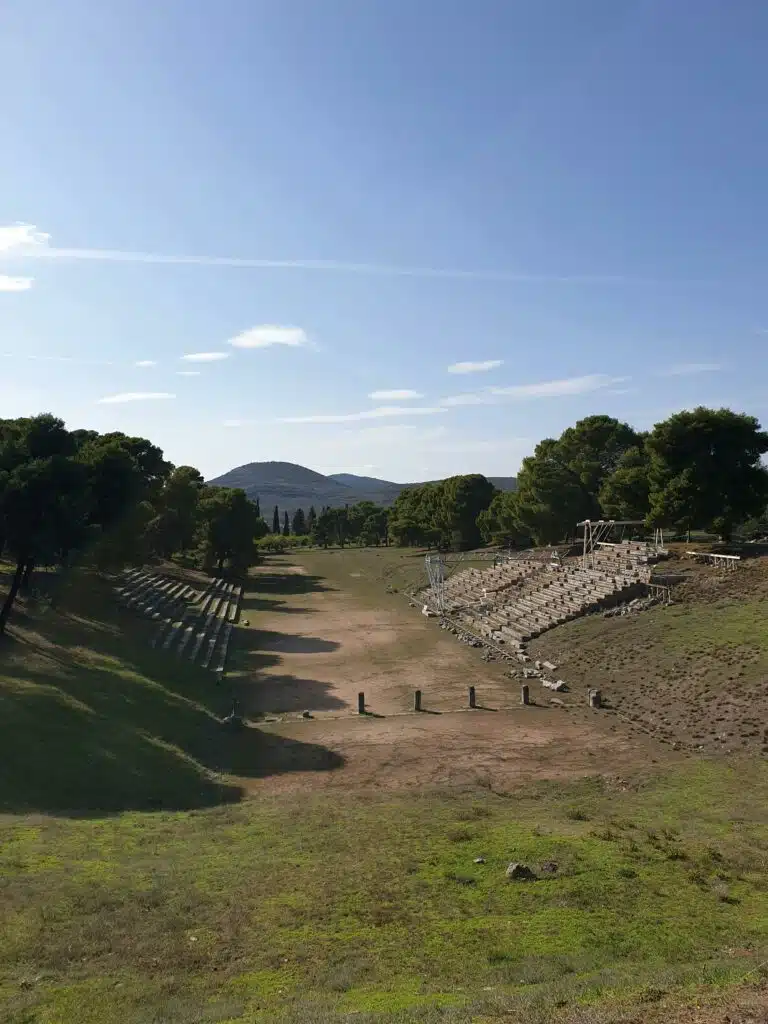
To reach the stadium, you pass through a vaulted stone tunnel used by the athletes. Then, the long earth track opens before you. Its stone start and finish lines are still visible. So, many visitors can’t resist running a lap themselves. Along the way, note the bases of the Zanes, statues paid for with fines from cheating athletes.
Archaeological Museum of Olympia
The museum holds the treasures found on the site. Above all, admire the sculptures from the Temple of Zeus and the graceful statue of Hermes, attributed to Praxiteles. Bronze helmets, weapons and offerings also bring the sanctuary to life.
Museum of the History of the Olympic Games
This smaller museum explains how the ancient Games worked. For instance, you will learn about the sports, the prizes and the strict rules. It is a great visit for families and sports fans.
How the Ancient Games Worked
Only free Greek men could compete. During the Games, a sacred truce allowed athletes and fans to travel safely. Winners received a simple olive wreath, but they returned home as heroes. Besides running, events included wrestling, boxing, chariot racing and the pentathlon.
Tips for Visiting Olympia
- Arrive early: Tour buses and cruise groups arrive mid-morning. So, come at opening time.
- Buy the combined ticket: It covers the site and the main museums.
- Bring water and a hat: Summer heat is intense. However, trees provide some shade.
- Wear good shoes: Paths are dusty and uneven.
- Visit in spring or autumn: April to June and September to October are the most pleasant months.
How to Get to Olympia
From Athens, the drive takes about three and a half hours on modern highways. Alternatively, buses run via Pyrgos. Many cruise ships also stop at the nearby port of Katakolo. Then, a short bus or taxi ride takes you to the site. The small modern village has hotels, tavernas and souvenir shops.
For more about its heritage, see the UNESCO page for Olympia.
Final Thoughts on Olympia
Olympia connects you with the roots of the world’s greatest sporting event. Above all, take time to walk the stadium and imagine the crowds. Also, don’t confuse it with Mount Olympus, home of the gods, in the north. Then, continue to Delphi or Meteora. Discover all our Greece travel guides.