Nikko is a mountain town in Tochigi Prefecture, about two hours north of Tokyo. Its richly decorated shrines and temples stand among giant cedar trees. Moreover, waterfalls, lakes and hot springs surround the town. As a result, its shrines and temples became a UNESCO World Heritage site in 1999.
So, this guide covers the sacred sites, nature, the best season and practical tips.
Shrines and Temples of Nikko
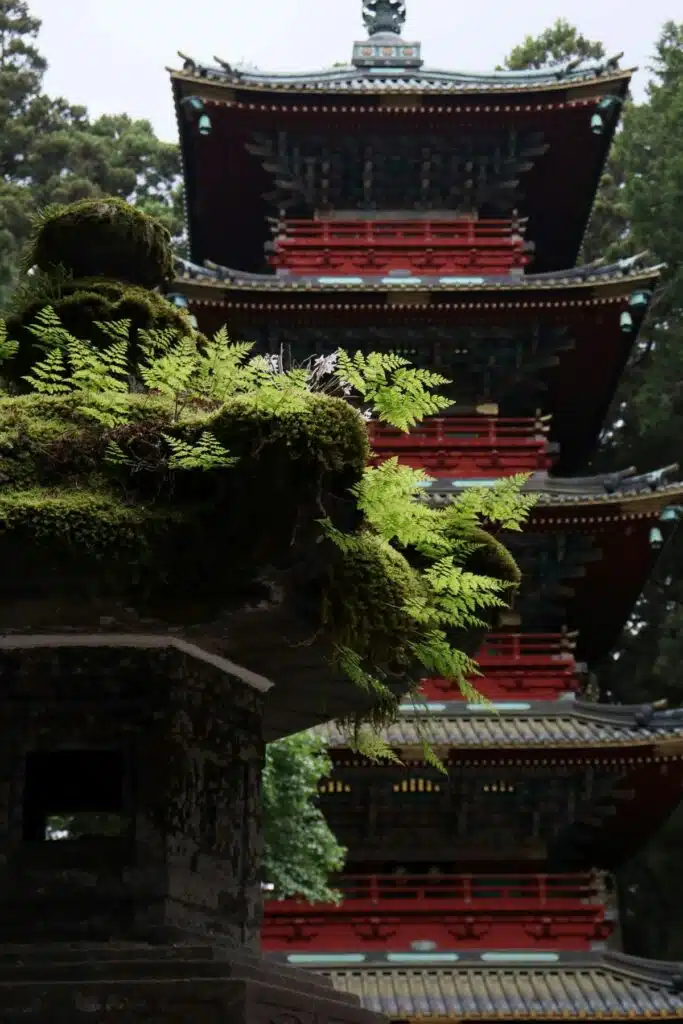
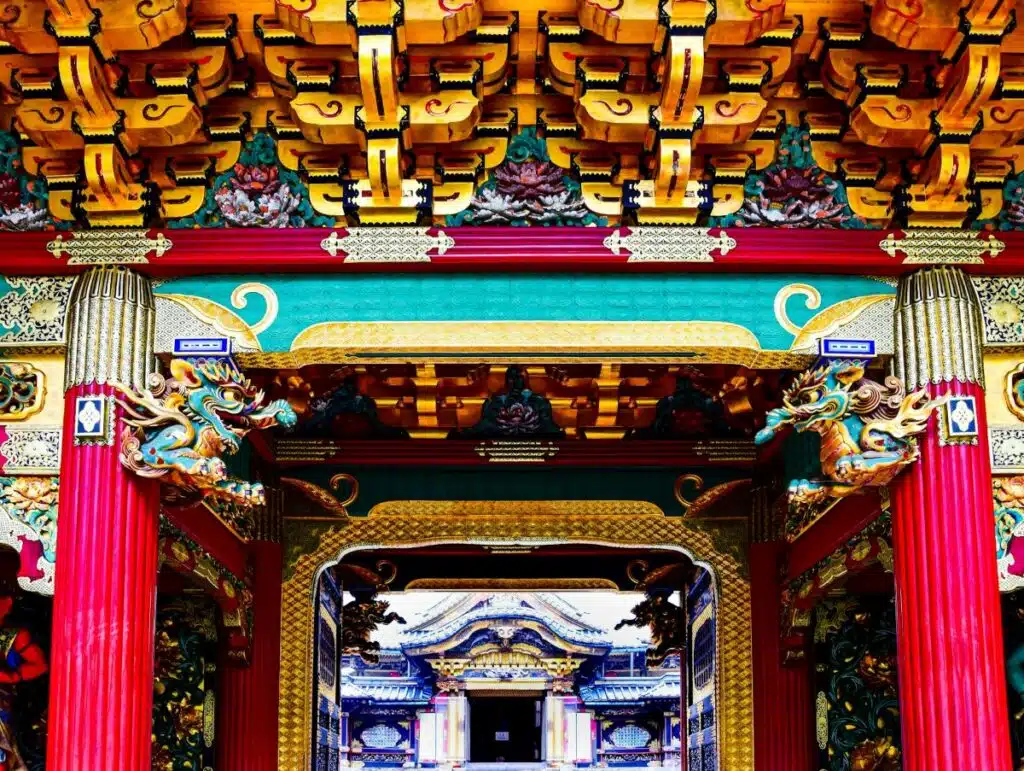
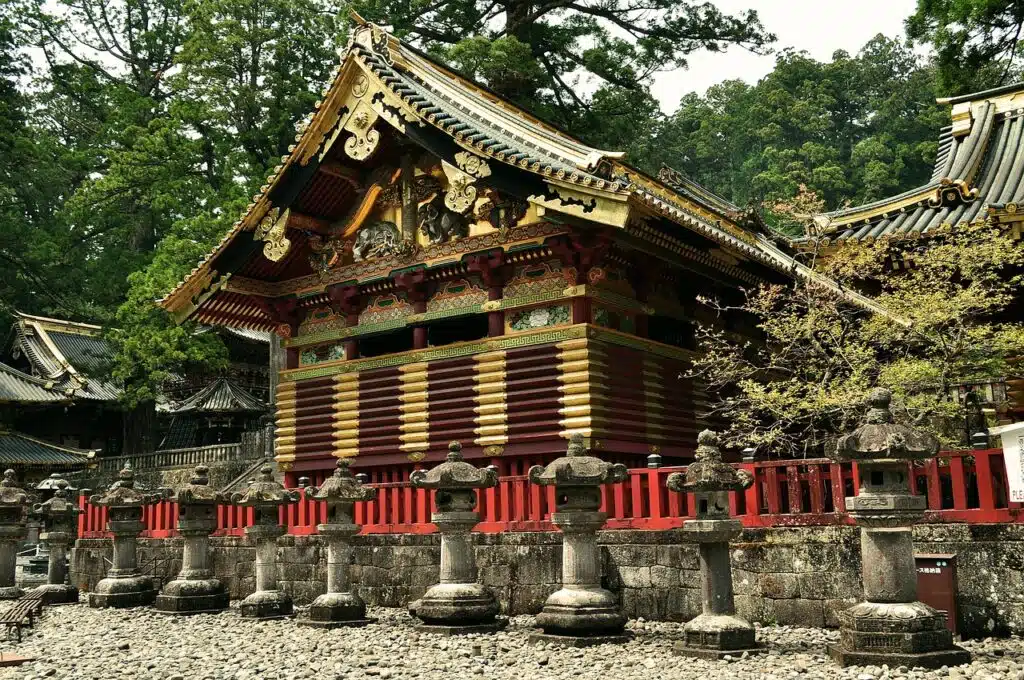
Toshogu Shrine
This lavish shrine is the mausoleum of Tokugawa Ieyasu, founder of the Tokugawa shogunate. Above all, the Yomeimon Gate is covered with hundreds of carvings. Also, look for the famous “Three Wise Monkeys” and the “Sleeping Cat”. Then, climb the stone steps to Ieyasu’s tomb in the forest.
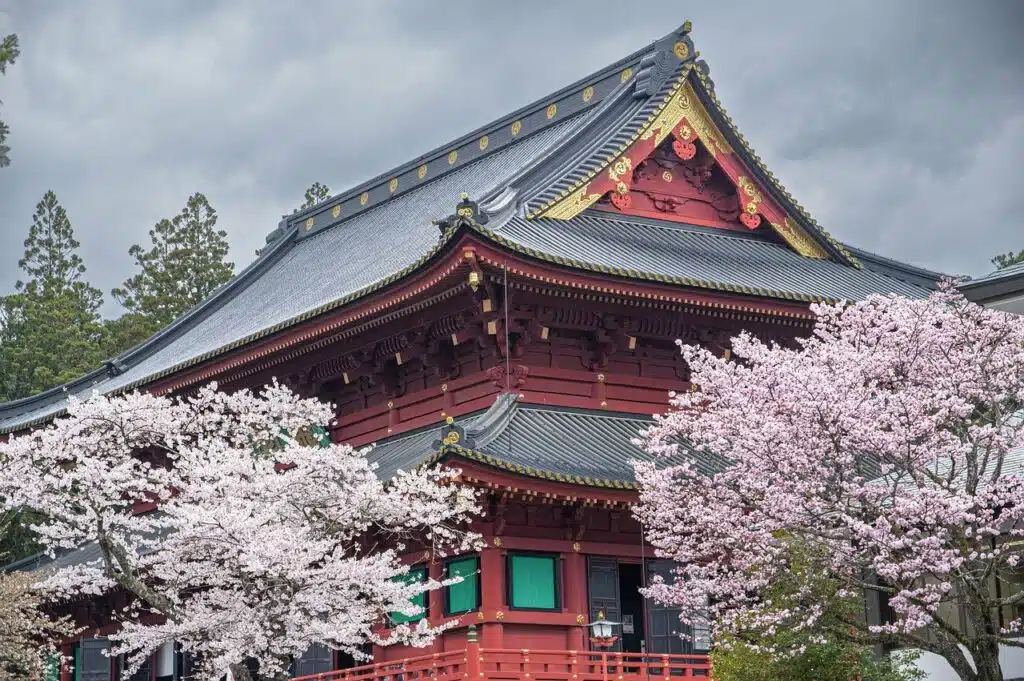
Rinnō-ji Temple
Its Sanbutsudō hall holds three huge gilded statues of Buddhist deities. Moreover, a small garden next door is beautiful in autumn.
Futarasan Shrine
This older shrine honours the sacred mountains of the area. In contrast to Toshogu, it feels simple and peaceful.
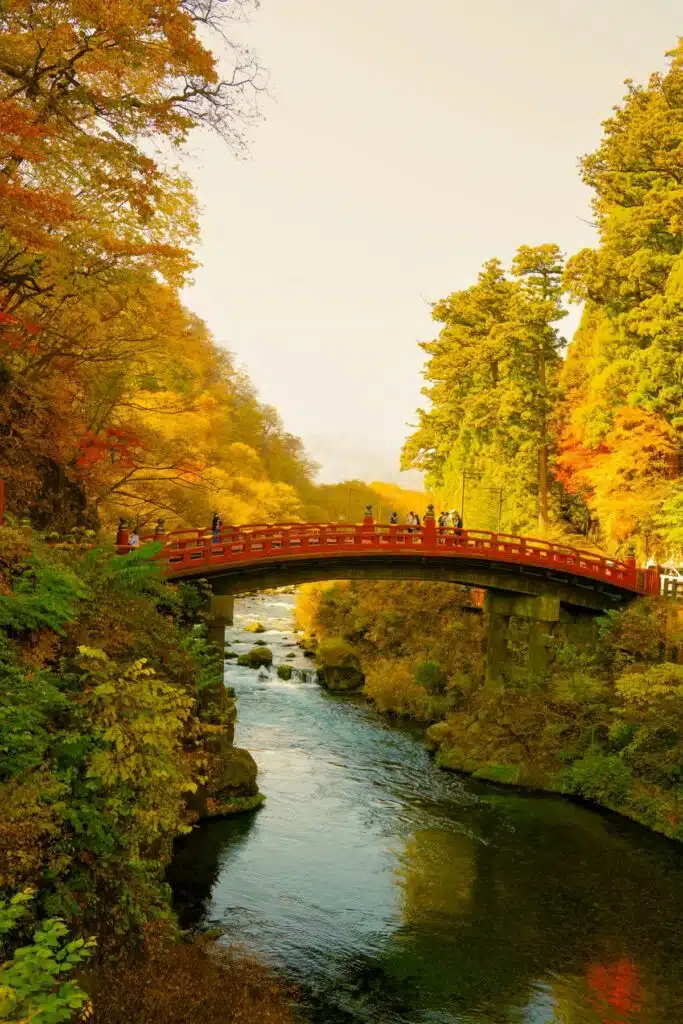
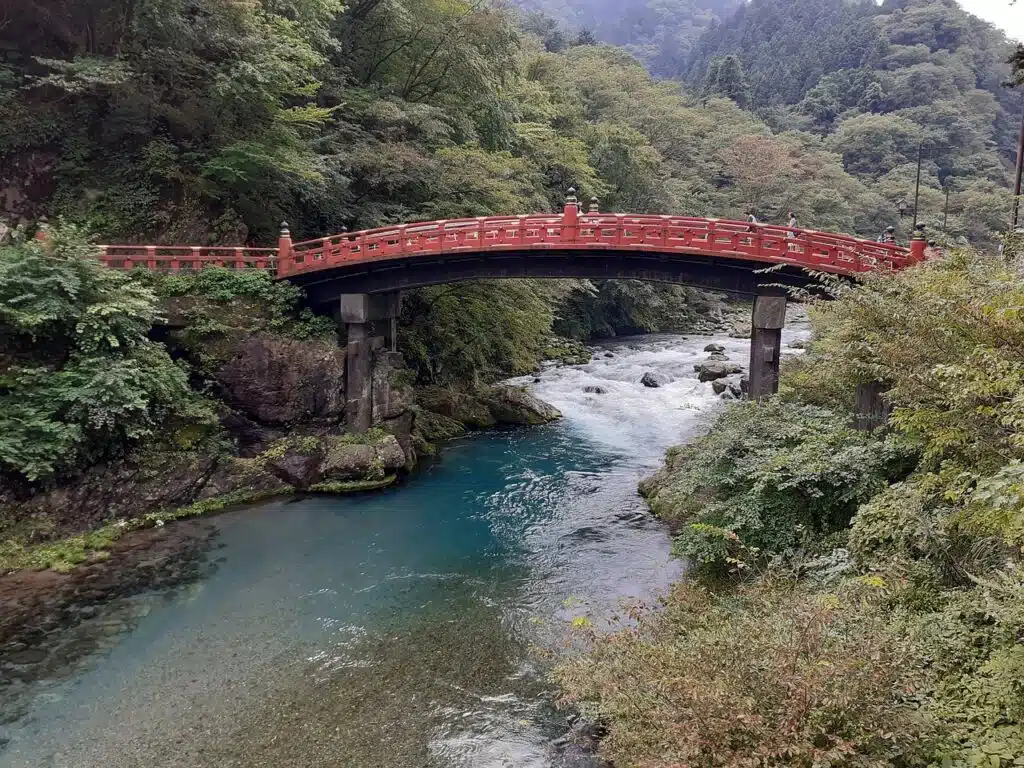
Shinkyō Bridge
This red lacquered bridge arches over the Daiya River at the entrance to the sacred area. In fact, it is one of Japan’s most famous bridges.
Nature Around Nikko
Kanmangafuchi Abyss
A short walk from the centre, a riverside path is lined with rows of stone Jizō statues. Interestingly, legend says you never count the same number twice.
Lake Chūzenji and Kegon Falls
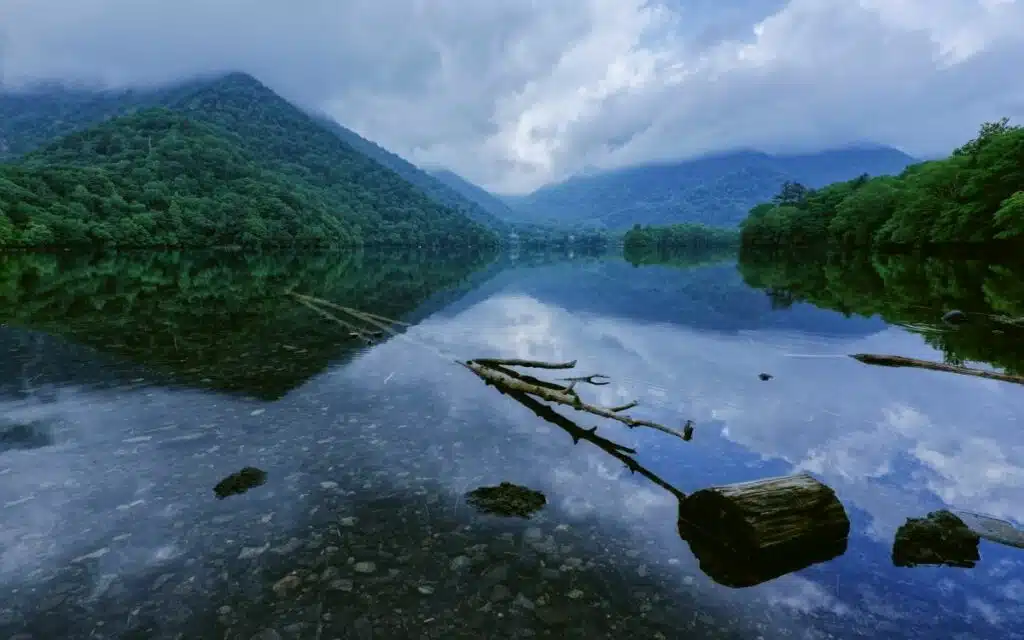
Higher up, Lake Chūzenji lies at the foot of the volcanic Mount Nantai. Nearby, Kegon Falls drops 97 metres. Then, an elevator takes you to a viewing platform at the base.
Okunikko
Beyond the lake, the Senjōgahara marshland offers easy hiking trails. Also, Yumoto Onsen is a quiet hot spring village.
Best Time to Visit
Autumn, from mid-October to early November, brings stunning red and gold leaves. However, roads to the lake are very busy then. In contrast, spring is fresh and green, while winter offers snow and hot springs.
Practical Tips
- Start early: The main shrines get crowded by late morning.
- Stay overnight: A night in a ryokan with an onsen lets you enjoy the quiet evening.
- Bring layers: The mountains are cooler than Tokyo.
- Buy a pass: Tobu’s Nikko passes include trains and local buses.
Getting There
Tobu trains from Asakusa in Tokyo take about two hours. Alternatively, take the shinkansen to Utsunomiya, then a JR local train. For more ideas, see the official Nikko tourism website.
Final Thoughts on Nikko
Nikko combines dazzling shrines, forests and waterfalls in one easy trip. Afterwards, explore Hakone or Kyoto. Discover all our Japan travel guides.