


Mexico is a vibrant country of ancient ruins, colonial towns, white-sand beaches and world-famous food. It combines Maya and Aztec heritage with lively cities and warm hospitality. Moreover, its colourful traditions, such as the Day of the Dead, are unique. So, every trip feels like a celebration.
Most first trips combine Mexico City with the Yucatán Peninsula. There, Cancún, Tulum and Chichén Itzá mix beaches, ruins and cenotes.
Read more about Mexico
Top Cities in Mexico
Mexico City
First, the capital is huge, creative and full of history. Visit the Zócalo, the Templo Mayor and the National Museum of Anthropology. Then, stroll through leafy Roma and Coyoacán, home of Frida Kahlo’s Blue House. Read our Mexico City guide.
Guadalajara
Next, Guadalajara is the home of mariachi music and tequila. Also, the nearby town of Tequila makes an easy day trip.
Ancient Sites of Mexico
- Teotihuacan: The giant Pyramids of the Sun and the Moon, near Mexico City.
- Chichén Itzá: The famous Maya pyramid of El Castillo.
- Tulum: Maya ruins on a cliff above the Caribbean Sea.
- Yucatán: Uxmal, Ek’ Balam and colonial Mérida.
Beaches and Cenotes
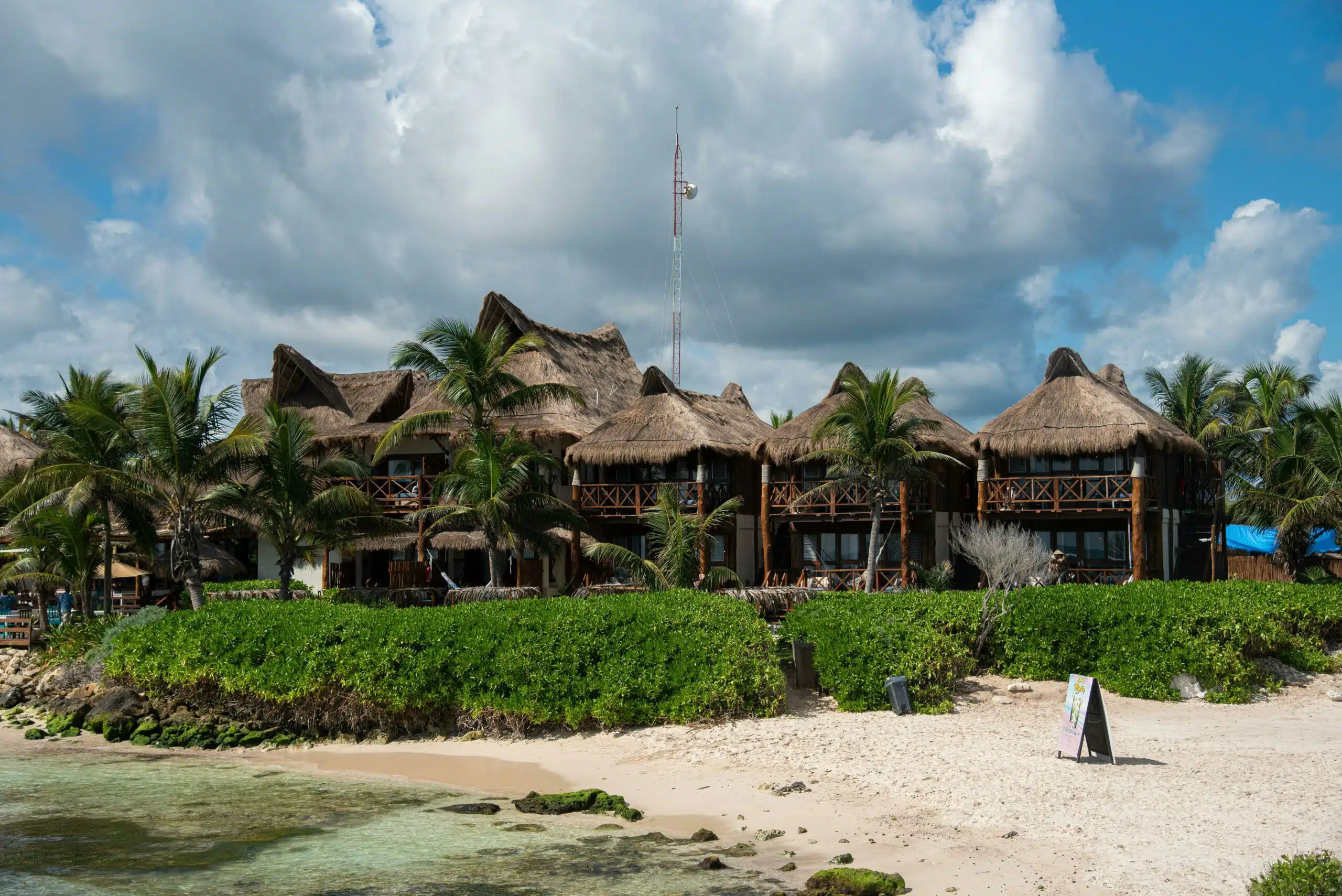
On the Caribbean coast, Cancún and the Riviera Maya offer turquoise water and coral reefs. Inland, thousands of cenotes, natural sinkholes, are perfect for swimming. However, in summer, seaweed called sargassum can cover some beaches, so check before you book.
A Short History of Mexico
First, great civilisations such as the Olmecs, the Maya and the Aztecs built cities and pyramids. Then, in 1521, Spanish conquistadors took the Aztec capital, Tenochtitlan. As a result, colonial towns and churches spread across the land.
In 1821, however, Mexico won its independence. Later, the Mexican Revolution of 1910 reshaped the country. Today, indigenous and Spanish influences blend in its art, food and festivals.
Food in Mexico
Mexican cuisine is on UNESCO’s list of intangible heritage. For example, try tacos al pastor, mole, tamales and fresh guacamole. In Yucatán, taste cochinita pibil. Read more in our Mexican cuisine guide.
Street food is cheap and delicious, especially in Mexico City. To drink, try fresh fruit waters, called aguas frescas, or a smoky mezcal.
Festivals and Events
- Easter: Holy Week brings processions across the country.
- 16 September: Independence Day starts with the famous “Grito” the night before.
- 1–2 November: the Day of the Dead honours loved ones with altars, marigolds and parades.
- 12 December: pilgrims visit the Basilica of Guadalupe in Mexico City.
Practical Tips
- Drink bottled water: tap water is not safe to drink.
- Use official taxis or apps: Uber and DiDi work in big cities.
- Carry cash: markets and street stalls only take pesos.
- Check travel advice: some regions are safer than others, so stay informed.
For more ideas, see the official Visit Mexico website.
Basic Words and Expressions to Use in Mexico
English is common in resorts, but less so elsewhere. Still, a few words of Spanish make a real difference. Above all, Mexicans love polite phrases like “por favor” and “gracias”.
Finally, Mexican Spanish has its own words, such as “¡Qué padre!” for “How cool!”. If you make mistakes, don’t worry: locals appreciate any effort.
Mexico Travel FAQ
We recommend 10 to 14 days for a first trip. That way, you can combine Mexico City with the Yucatán Peninsula. With one week, however, focus on one region, such as the Riviera Maya.
Count $30 to $150 per person per day. Budget travellers stay near the lower end with hostels, buses and street food. However, Cancún and Tulum resorts cost much more.
The best period is November to April, during the dry season. In contrast, summer brings heat, rain and sometimes hurricanes on the coasts. Also, late October and early November are perfect for the Day of the Dead.
Many nationalities can visit visa-free for tourism, usually for up to 180 days. Still, rules depend on your passport, so always check the latest requirements before you travel.
Yes, tipping is expected. For example, leave 10 to 15% in restaurants and small tips for guides and hotel staff.
Comfortable long-distance buses, such as ADO, link most cities. For long distances, domestic flights save time. In the Yucatán, a rental car is ideal for cenotes and ruins.
In short, the country offers pyramids, beaches, culture and incredible food. So, combine Mexico City with the Yucatán. Explore our detailed guides for each destination.