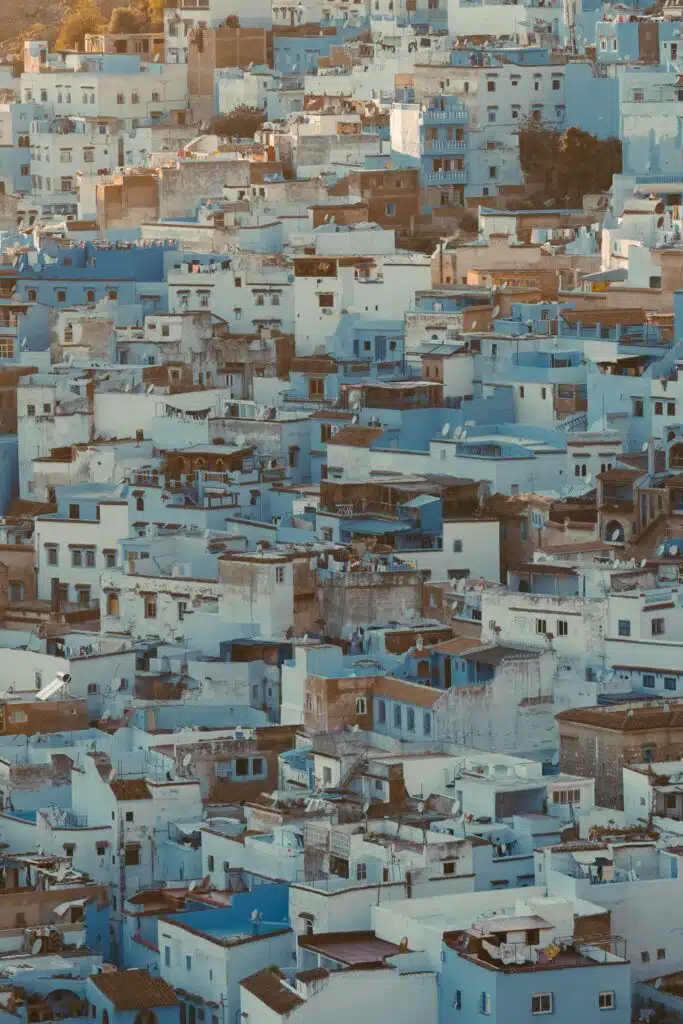
Chefchaouen is the famous “Blue Pearl” of Morocco. It sits high in the Rif Mountains, and its old town is painted in every shade of blue. Moreover, the pace of life is slow and relaxed. As a result, Chefchaouen is a peaceful break after busy cities like Fes.
So, this guide covers the blue medina, the best viewpoints, local food and practical tips.
History of Chefchaouen
The town was founded in 1471 as a small fortress. Later, Muslim and Jewish refugees from Andalusia settled here. For centuries, it remained isolated in the mountains. In fact, few foreigners visited until the 20th century.
Why Is Chefchaouen Blue?
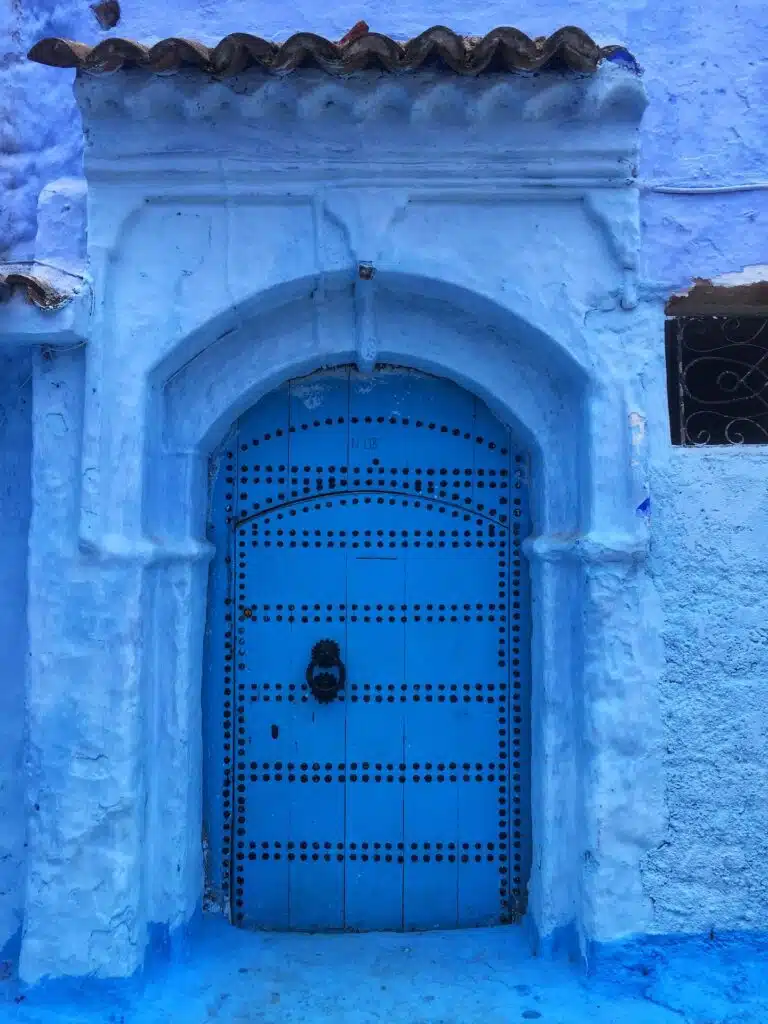
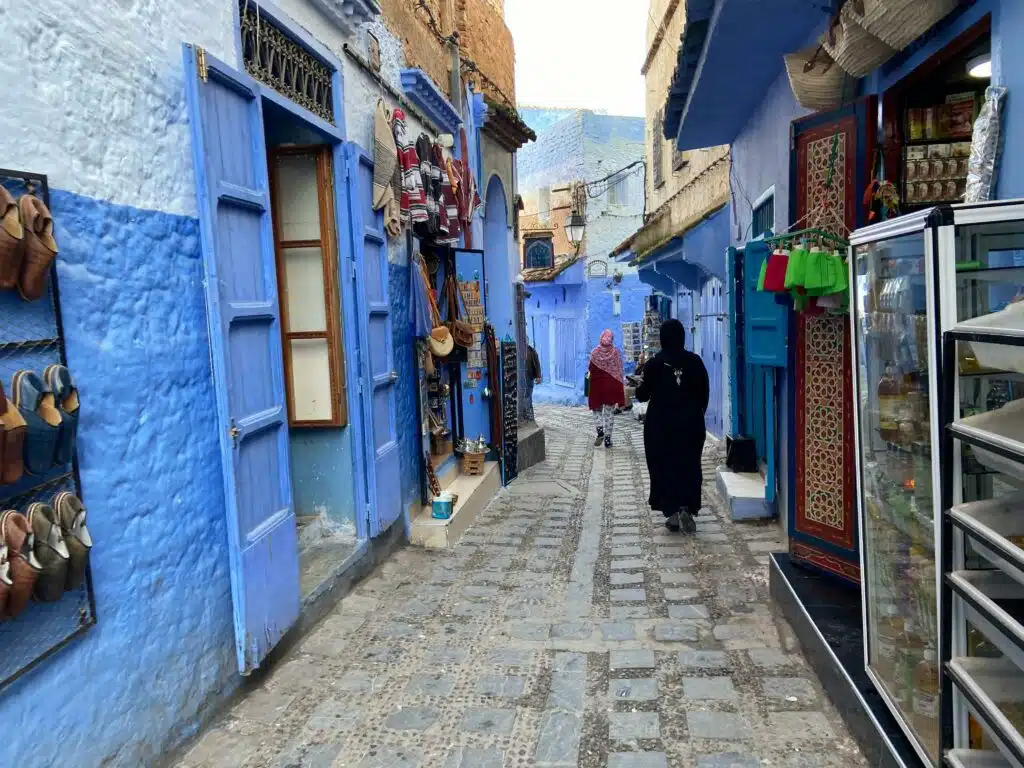
Nobody knows exactly why the town is blue. However, one popular theory credits Jewish refugees in the 1930s, for whom blue symbolised the sky and heaven. Others say the colour keeps houses cool or keeps mosquitoes away. Today, residents repaint their walls regularly, so the colour stays bright.
Top Things to See in Chefchaouen
The Blue Medina
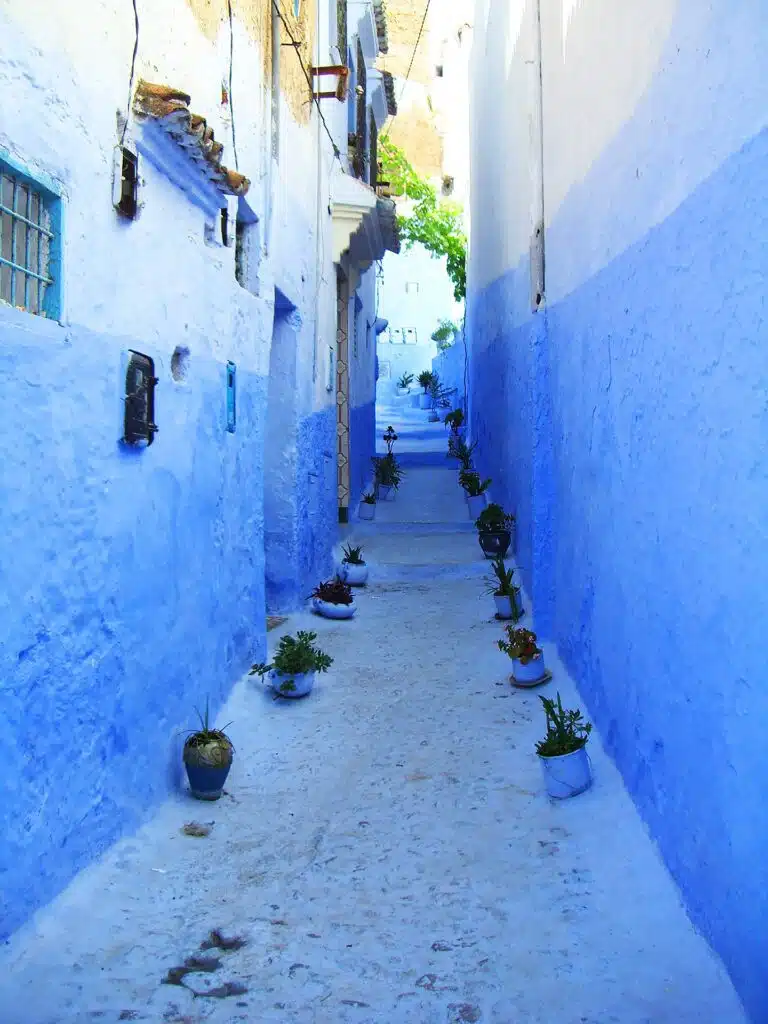
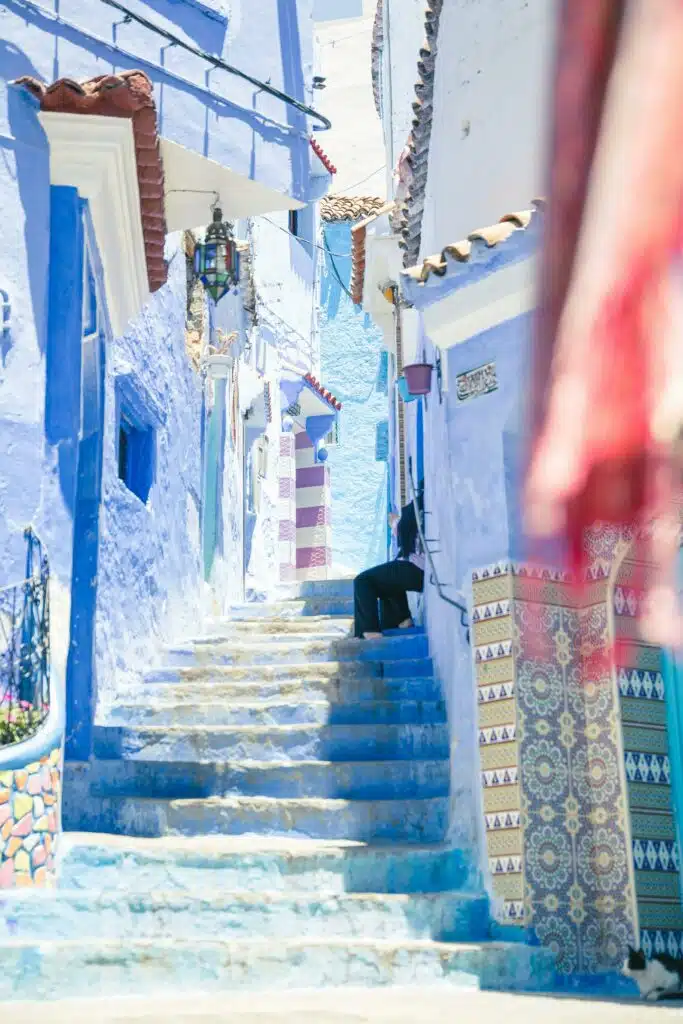
Above all, get lost in the medina’s narrow lanes, stairways and small squares. Every corner seems made for photos. However, remember that people live here. So, don’t block doorways or photograph residents without permission.
Plaza Uta el-Hammam and the Kasbah
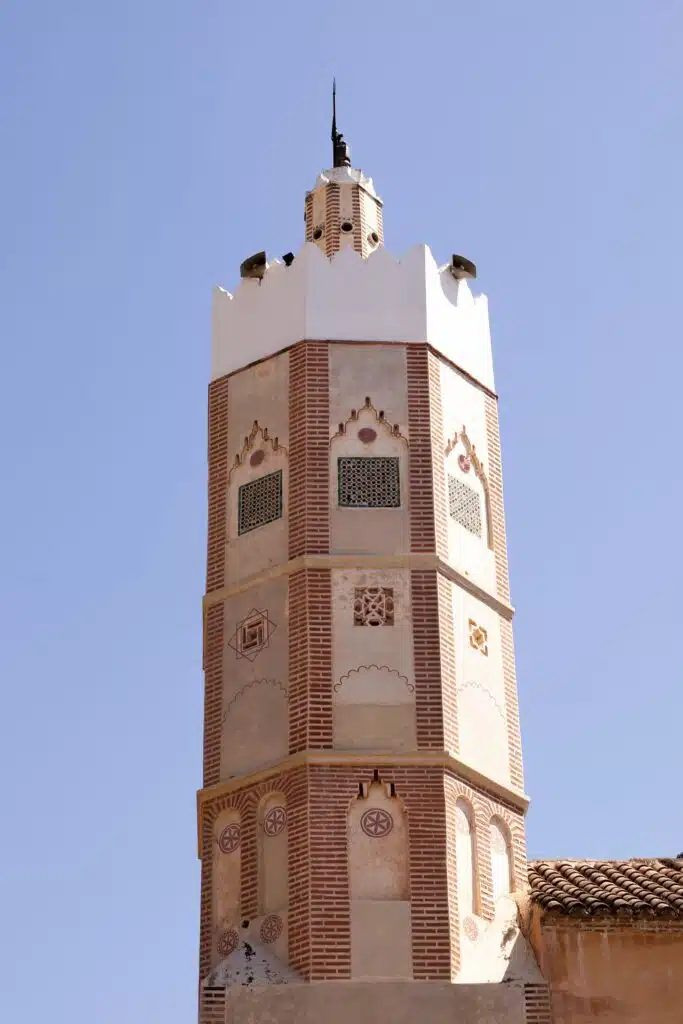
Plaza Uta el-Hammam is the main square, lined with cafés under shady trees. On one side, the red-walled Kasbah hides a garden and a small museum. Also, climb its tower for a view over the rooftops. Next door, the Grand Mosque has an unusual octagonal minaret.
Ras el-Maa Spring
At the eastern edge of the medina, a mountain spring flows into small pools. In fact, locals still wash clothes here. Then, follow the path over the stream towards the hills.
The Spanish Mosque
A 30-minute walk uphill leads to an old mosque built by the Spanish in the 1920s. At sunset, the view over the blue town is magical. Therefore, it is the most popular viewpoint in Chefchaouen.
Day Trips from Chefchaouen
The Rif Mountains offer great hiking. For example, the Akchour waterfalls and the natural rock arch called God’s Bridge are about an hour away. In addition, Talassemtane National Park protects rare fir forests.
What to Eat in Chefchaouen
The region is known for fresh goat cheese, often served with bread and olive oil. Also, try a tagine or a hearty bowl of bessara, a bean soup. Learn more in our guide to Moroccan cuisine.
Tips for Visiting Chefchaouen
- Stay overnight: Day-trippers leave in the afternoon. Then, the town becomes calm and magical.
- Visit in spring or autumn: Summers are hot, while winters can be cold and rainy.
- Shop for crafts: Look for woven blankets, wool clothing and leather. Also, bargain politely.
- Respect residents: Ask before taking portraits, and keep noise low in residential lanes.
How to Get to Chefchaouen
There is no train station in Chefchaouen. Instead, buses arrive from Tangier, Tetouan and Fes. From Fes, the trip takes about four hours. For more ideas, visit the official Visit Morocco website.
Final Thoughts on Chefchaouen
Chefchaouen offers blue lanes, mountain air and a gentle pace of life. Above all, take your time and enjoy it slowly. Afterwards, continue to Rabat or Marrakech. Discover all our Morocco travel guides.