Jeju Island is a volcanic island off the southern coast of South Korea. Often called the “Hawaii of Korea”, it also has beaches, waterfalls, lava caves and a dormant volcano. In fact, much of it is a UNESCO World Heritage site. As a result, Jeju Island is Korea’s favourite holiday destination.
So, this guide covers the best natural sites, local culture, food and practical tips.


Top Natural Sites on Jeju Island
Hallasan National Park
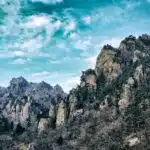
Hallasan is the highest mountain in South Korea, at 1,947 metres. On its summit, moreover, a crater lake called Baengnokdam fills after rain. Also, several trails lead up through forests. However, the two summit trails require an online reservation. So, book before you go.
Seongsan Ilchulbong (Sunrise Peak)
This huge volcanic crater rises straight out of the sea on the east coast. Then, a 20-minute climb leads to the rim. Above all, come at dawn to watch the sunrise.


The South Coast
Around Seogwipo, the coast is full of natural wonders. For example, the Jusangjeolli Cliffs are made of hexagonal lava columns. Meanwhile, Jeongbang Waterfall falls directly into the sea. Nearby, Cheonjiyeon Waterfall is surrounded by a lush forest.


Lava Tubes
Manjanggul is one of the longest lava tubes in the world. Its tunnels formed when lava flowed underground. However, the cave has been closed for safety work, so check if it has reopened.
Culture on Jeju Island
The Haenyeo
The haenyeo are women divers who gather seafood without breathing equipment. Surprisingly, many are over 60 years old. In fact, their tradition is recognised by UNESCO as intangible cultural heritage. Also, the Haenyeo Museum explains their way of life.
Seongeup Folk Village
This village keeps traditional thatched houses and stone walls. Look also for dol hareubang, the island’s famous stone grandfather statues.
Jeju Olle Trails
The Olle trails form a network of walking routes around the island. In particular, they follow coasts, villages and farmland. So, they are perfect for exploring at a slow pace.


Beaches
Hyeopjae Beach has white sand and turquoise water, with views of a small island. Similarly, Hamdeok Beach is popular for swimming. However, the water is warmest from July to September.
What to Eat on Jeju Island
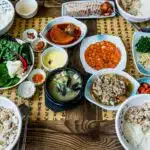
Jeju Island is also famous for black pork, often grilled at the table. Also, try fresh abalone porridge and seafood caught by the haenyeo. For dessert, taste hallabong, a sweet local citrus fruit. Learn more in our guide to Korean food.
Tips for Visiting Jeju Island
- Rent a car: Buses exist, but sights are spread out. So, a car saves time.
- Best time: Spring and autumn are mild. In contrast, summer is humid and typhoons may arrive.
- Book Hallasan early: Summit permits are limited each day.
- Plan by area: Explore the east, south and west coasts on different days.
How to Get to Jeju Island
Flights from Seoul take about one hour, and there are dozens every day. Also, flights and ferries arrive from Busan. For more about its heritage, see the UNESCO page for Jeju Volcanic Island.
Final Thoughts on Jeju Island
Jeju Island combines volcanic landscapes, island culture and delicious food. Afterwards, explore Gyeongju or Sokcho. Discover all our South Korea travel guides.