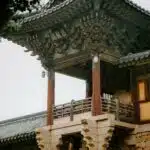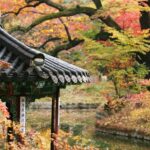
Jeonju is a historic city in southwestern South Korea. It is famous for its traditional hanok village, with more than 700 tiled-roof houses. Moreover, it is the birthplace of bibimbap and a UNESCO Creative City of Gastronomy. As a result, Jeonju is perfect for culture and food lovers.
So, this guide covers the hanok village, local experiences, food and practical tips.
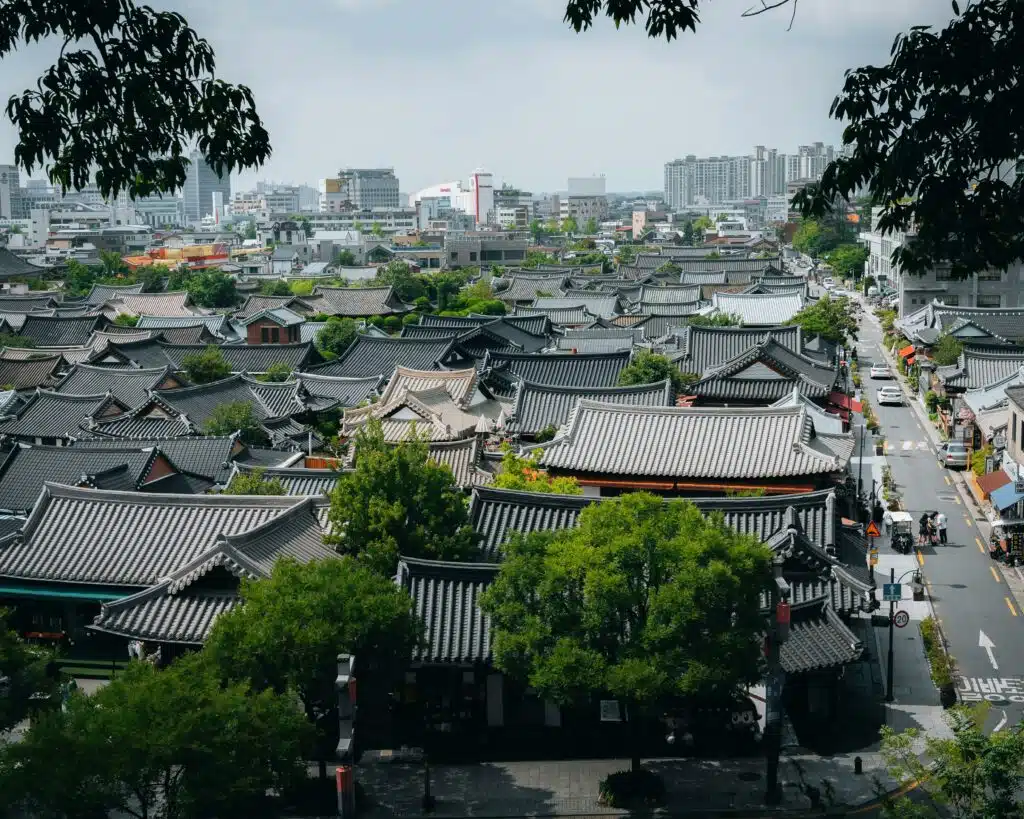
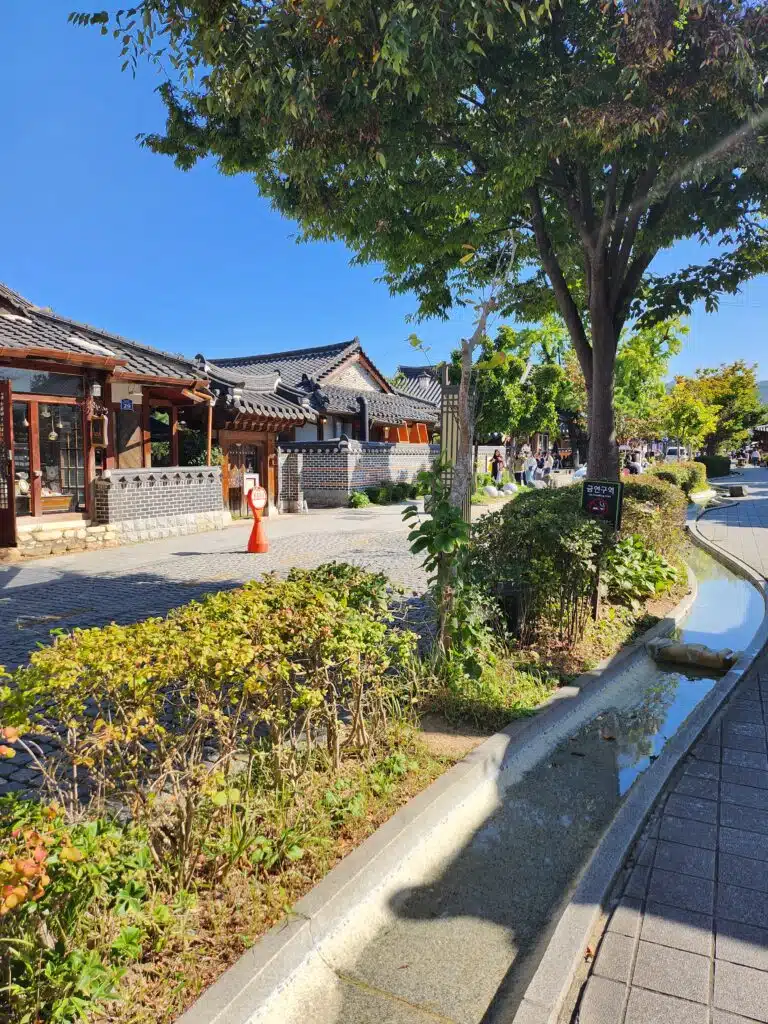
Jeonju Hanok Village
The hanok village is the heart of a visit to Jeonju. Today, its lanes are also lined with traditional houses, now used as cafés, craft shops and guesthouses. In fact, it is one of the largest hanok villages in Korea.
What Is a Hanok?
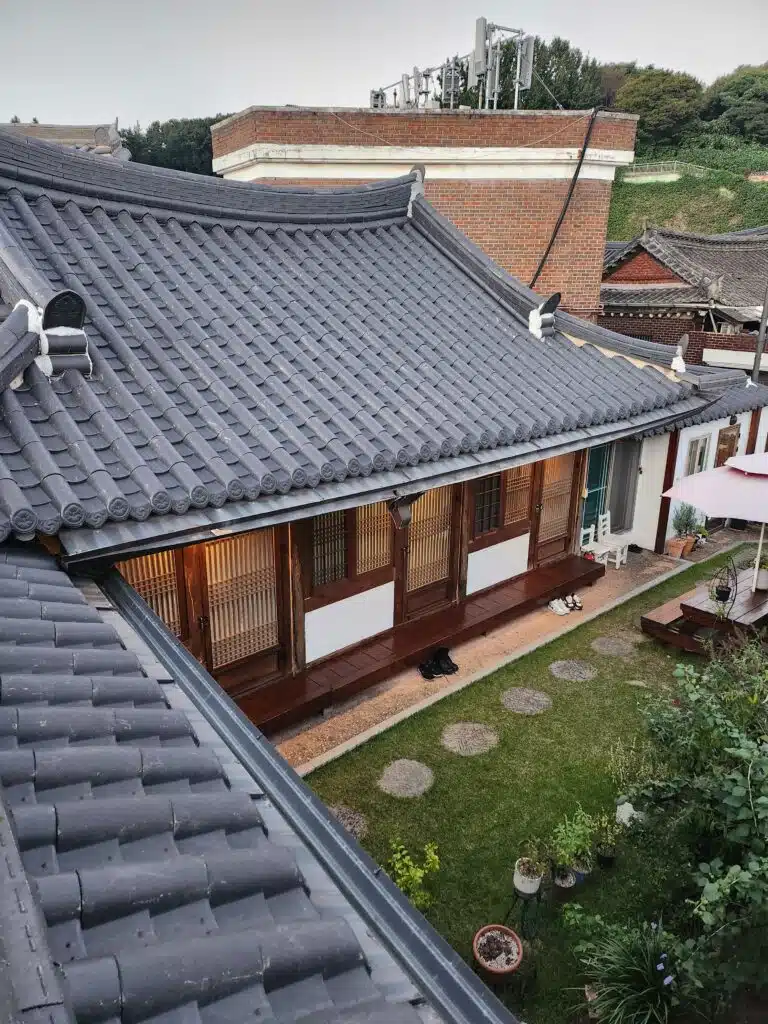
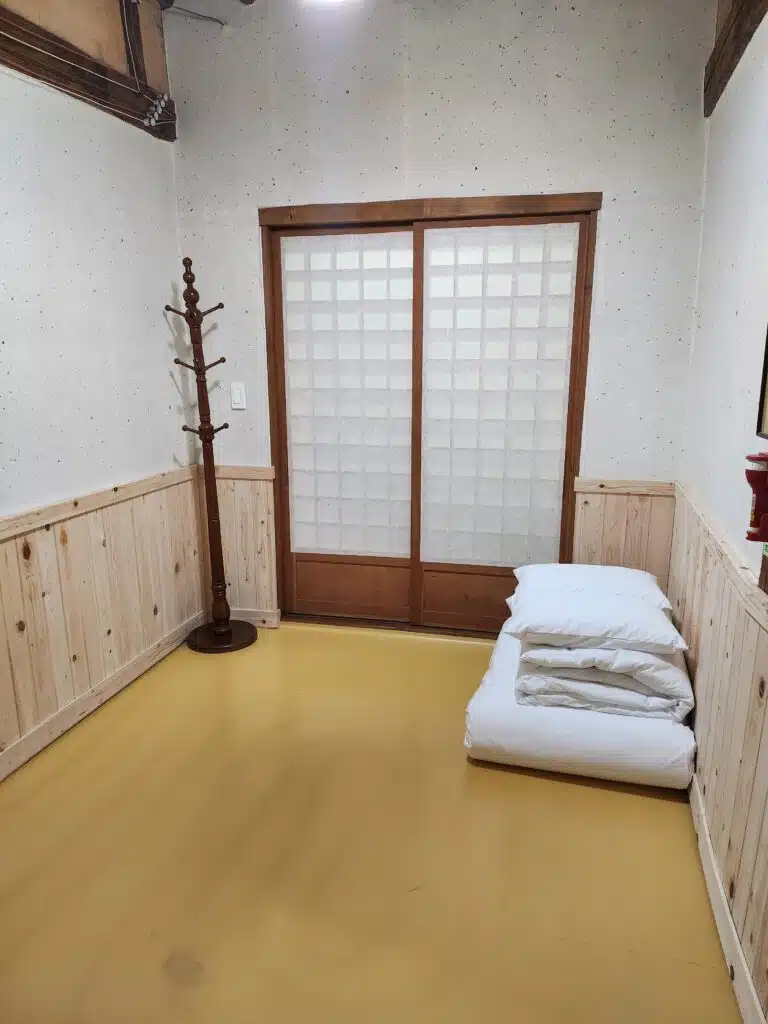
A hanok is a traditional Korean house built with wood, clay and tiles. Moreover, its design follows nature, with a central courtyard called a madang. Also, heated floors, called ondol, keep rooms warm in winter. So, sleeping in a hanok guesthouse is a memorable experience.
Wearing a Hanbok
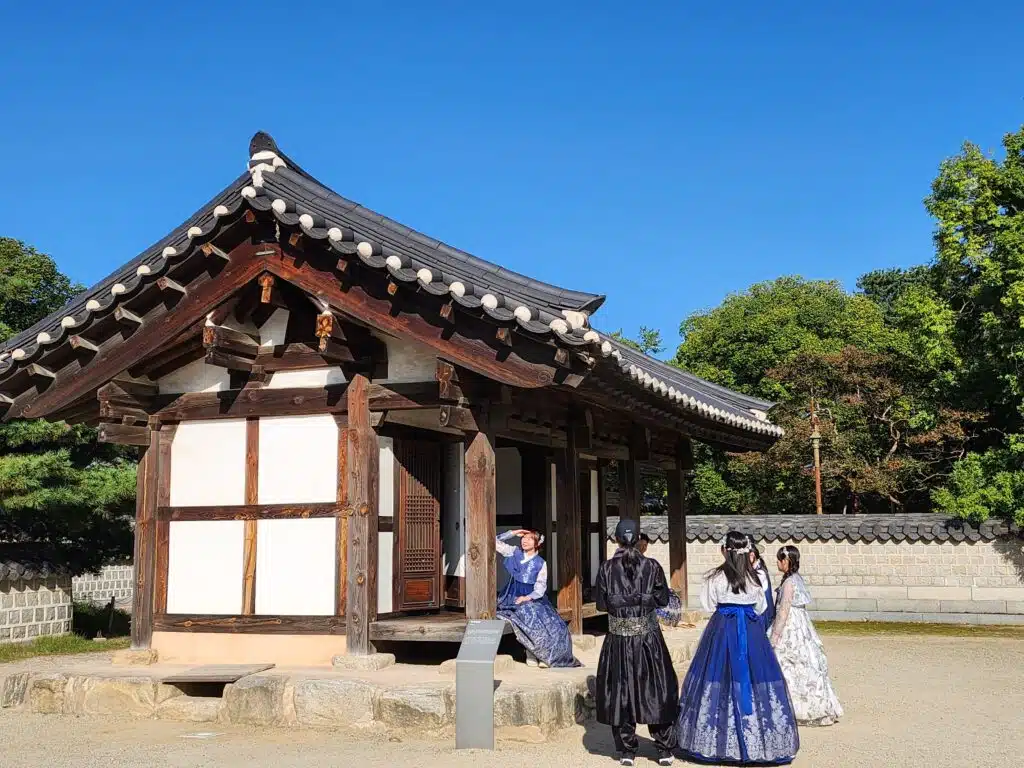
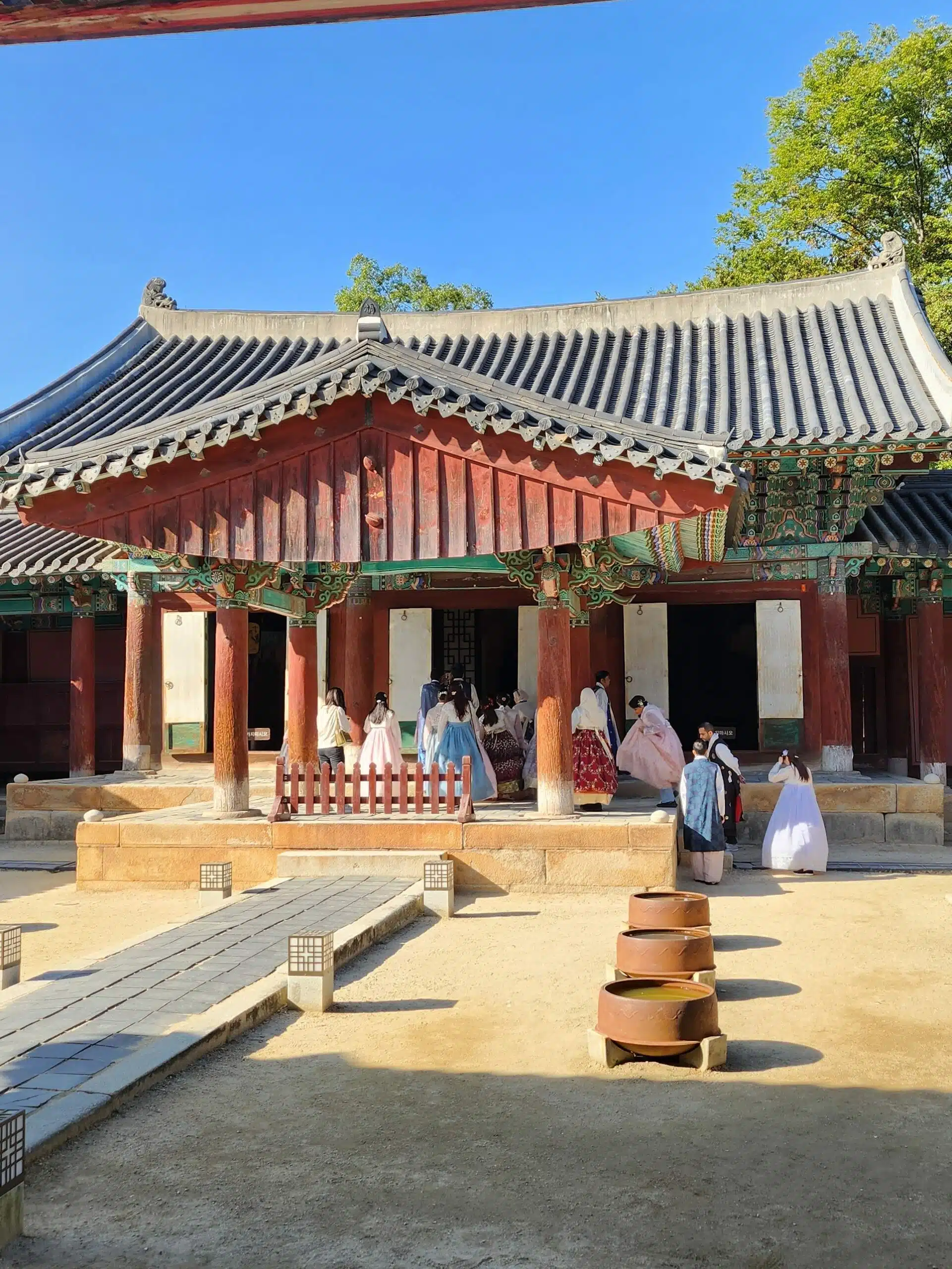
For example, many shops rent hanbok, the traditional Korean dress. Then, you can stroll through the village in colourful clothes and take beautiful photos. In addition, accessories and hairstyles are often included.
Top Sights in Jeonju
- Gyeonggijeon Shrine: It holds a portrait of King Taejo, founder of the Joseon dynasty. Also, its gardens are peaceful.
- Jeondong Cathedral: A beautiful brick church with Romanesque and Byzantine styles.
- Omokdae: Also, a short climb leads to a pavilion with views over the village rooftops.
- Hanji Museum: It explains the craft of traditional Korean paper.
- Nambu Market: A traditional market that becomes a lively night market on weekends.
Local Food
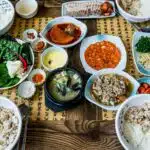
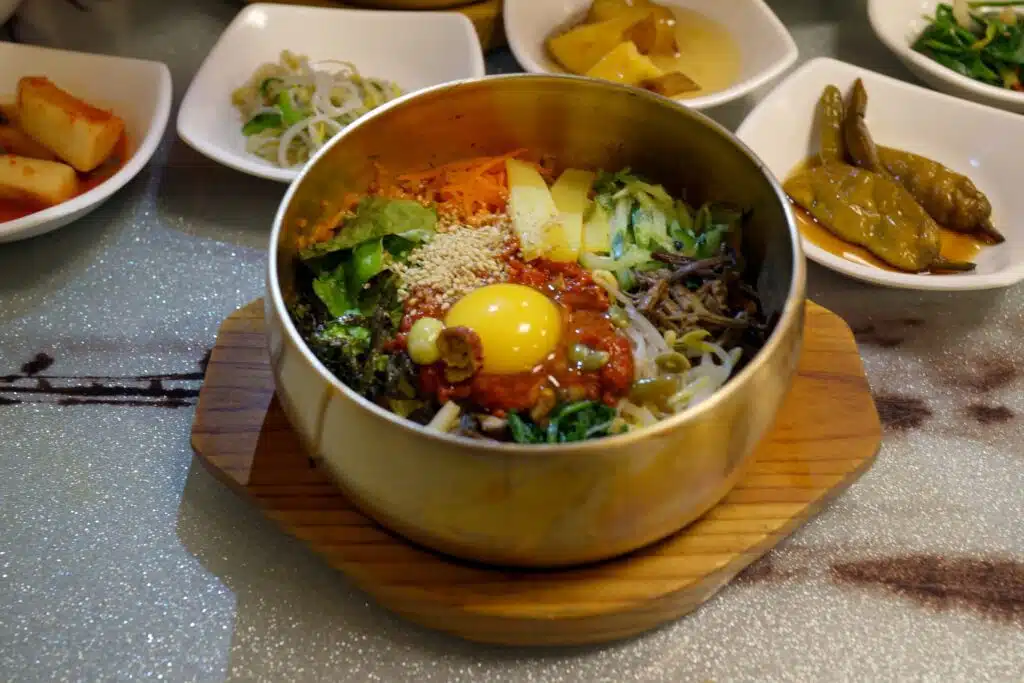
Above all, Jeonju is the home of bibimbap. Here, in fact, it is served in a brass bowl with rice cooked in beef broth and many colourful toppings. Also, try kongnamul gukbap, a soybean sprout soup popular for breakfast. Then, in the evening, local makgeolli bars serve rice wine with many side dishes. Learn more in our guide to Korean food.
Tips for Visiting Jeonju
- Stay overnight: Evenings in the village are calm and atmospheric.
- Visit on a weekday: Weekends are crowded with Korean visitors.
- Book a hanok stay early: The best guesthouses fill up quickly.
- Visit in spring or autumn: The weather is mild, and the colours are beautiful.
How to Get to Jeonju
KTX trains from Seoul reach Jeonju in about one hour and forty minutes. Then, a short bus or taxi ride takes you to the hanok village. For more ideas, visit the official Visit Korea website.
Final Thoughts on Jeonju
Jeonju combines traditional architecture, living culture and delicious food. Afterwards, explore Gyeongju or Busan. Discover all our South Korea travel guides.