Tower Bridge crosses the River Thames next to the Tower of London, in London. Opened in 1894, it combines Victorian Gothic towers with clever engineering. Moreover, its two roadways, called bascules, lift to let tall ships pass. As a result, it has become one of the most famous symbols of the city.
So, this guide covers the exhibition, the glass walkways, bridge lifts, nearby sights and practical tips.


The Tower Bridge Exhibition
Inside, the exhibition explains how the bridge was designed and built. Also, films and displays tell the story of the people who worked here.
The Glass Walkways
Above all, the high-level walkways connect the two towers, 42 metres above the river. In addition, parts of the floor are made of glass. So, you can watch buses and boats pass beneath your feet.
The Victorian Engine Rooms
Originally, steam engines powered the lifting mechanism. Today, the restored boilers and engines are on display. However, the bridge now runs on electro-hydraulic power.

Bridge Lifts
In general, the bascules rise several hundred times a year for tall ships and river events. So, check the lift times online. Also, watching from the riverbank is free.

Nearby Sights
- Tower of London: Home to the Crown Jewels.
- HMS Belfast: A Second World War cruiser, now a museum.
- The Shard: London’s tallest building, with a viewing gallery.
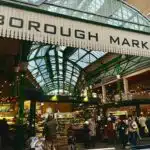
- Borough Market: One of the city’s best food markets.

Tips for Visiting Tower Bridge
- Book online: Tickets are cheaper and quicker.
- Come early: The glass floor is quieter in the morning.
- Wear comfortable shoes: The visit includes stairs.
- Come back at night: The bridge is beautifully lit after dark.
Getting There
First, the nearest Underground station is Tower Hill. Also, London Bridge station is a short walk away. For tickets, see the official Tower Bridge website.
Final Thoughts on Tower Bridge
In short, this Victorian landmark offers history, engineering and great views. Afterwards, ride the London Eye or visit Big Ben. Discover all our London travel guides.