The Cotswolds is a region of rolling hills and honey-coloured villages in south-central England. In fact, it is a protected National Landscape, formerly called an Area of Outstanding Natural Beauty. Moreover, its stone cottages, old churches and cosy pubs feel like a picture of rural England. As a result, the Cotswolds is one of the most popular escapes from London.
So, this guide covers the prettiest villages, the best walks and practical tips for your trip.
The Prettiest Villages in the Cotswolds
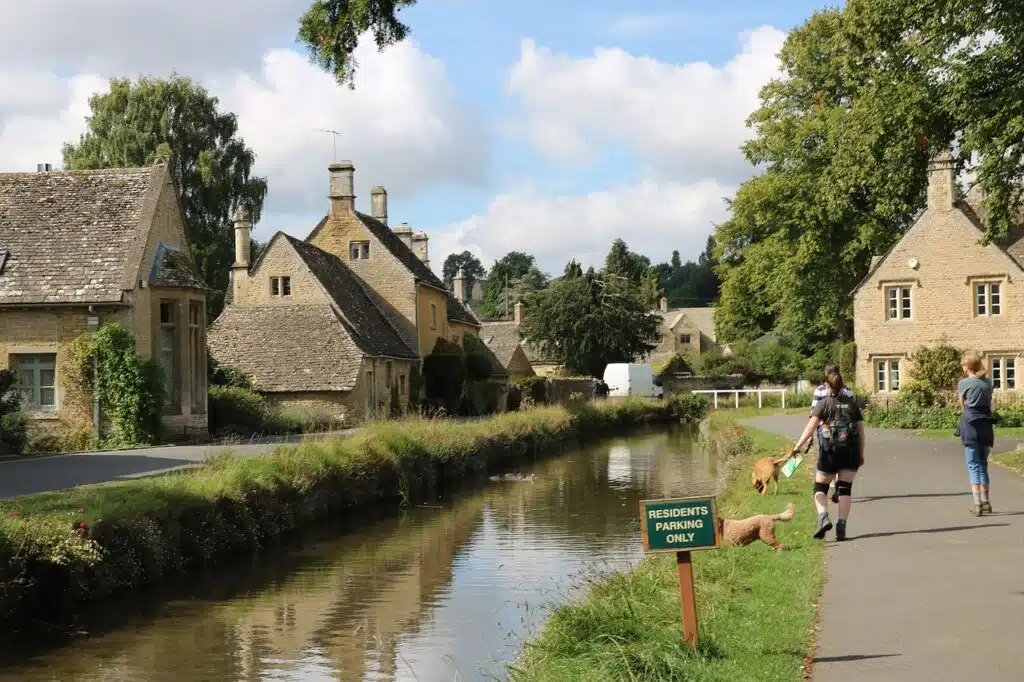
Bourton-on-the-Water
Low stone bridges cross a shallow river in the heart of the village. For this reason, it is often called the “Venice of the Cotswolds”. However, it gets very busy in summer, so arrive early.
Stow-on-the-Wold and Chipping Campden
Stow-on-the-Wold is a hilltop market town with antique shops and old inns. Meanwhile, Chipping Campden has one of the finest high streets in England. Its 17th-century Market Hall still stands in the centre.
Broadway
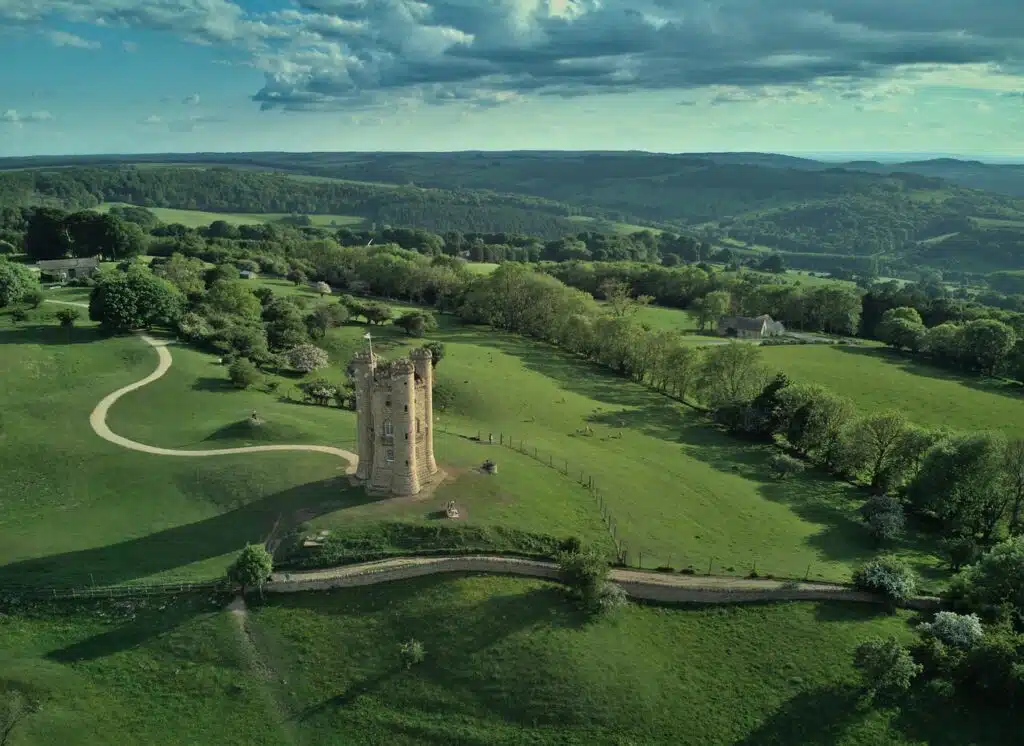
Similarly, Broadway has a wide main street lined with galleries and tea rooms. Above the village, Broadway Tower offers views over several counties.
Bibury and Arlington Row
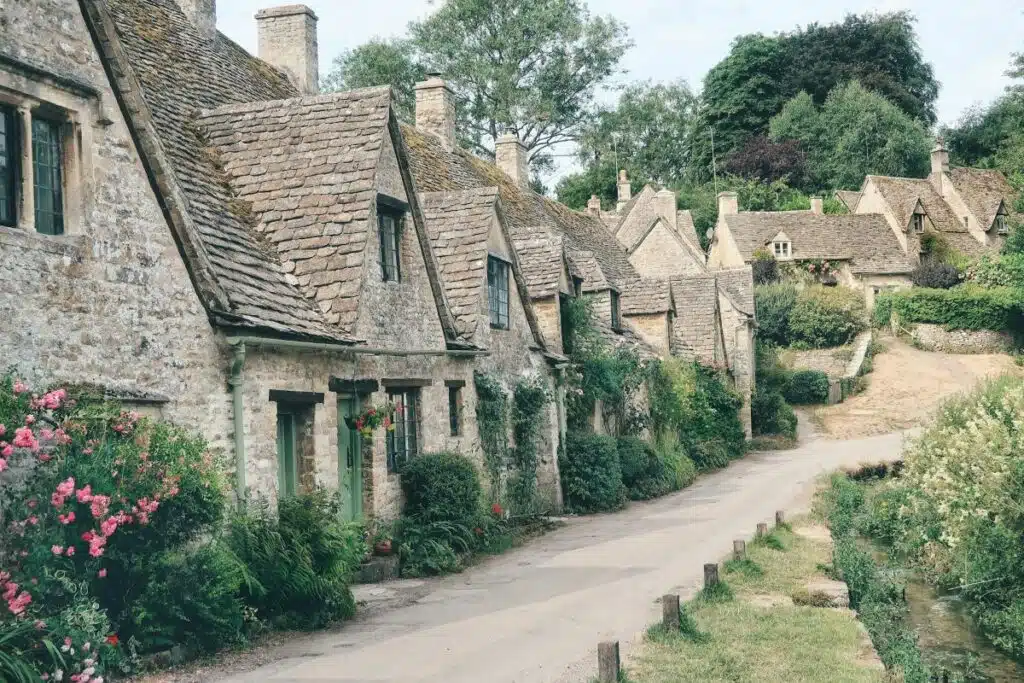
Bibury is famous for Arlington Row, a line of 17th-century weavers’ cottages. In fact, the designer William Morris called Bibury the most beautiful village in England.
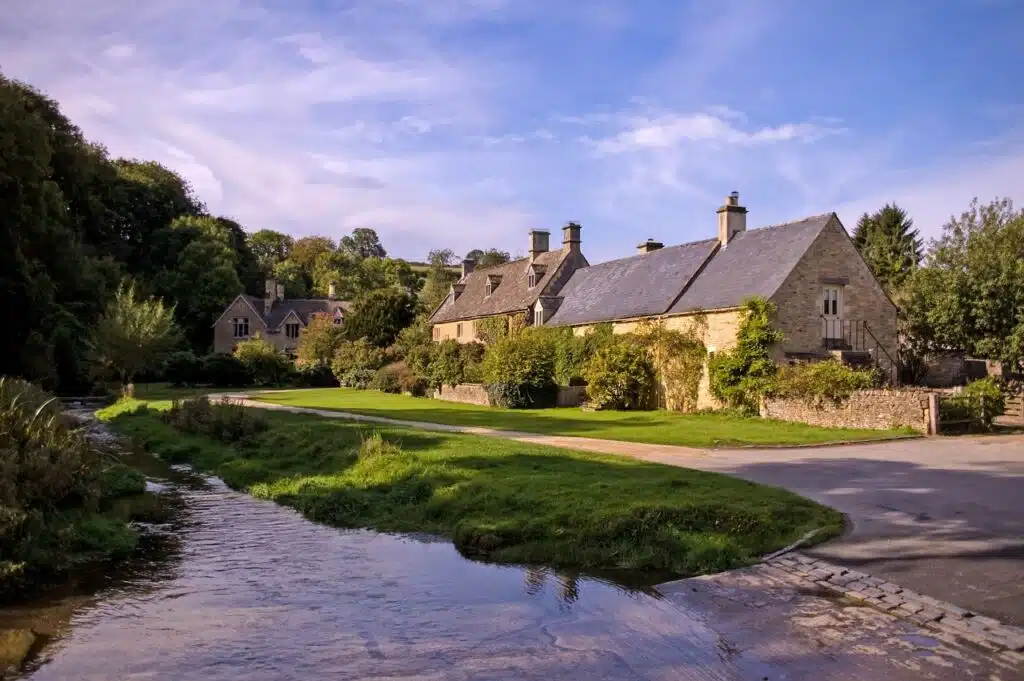
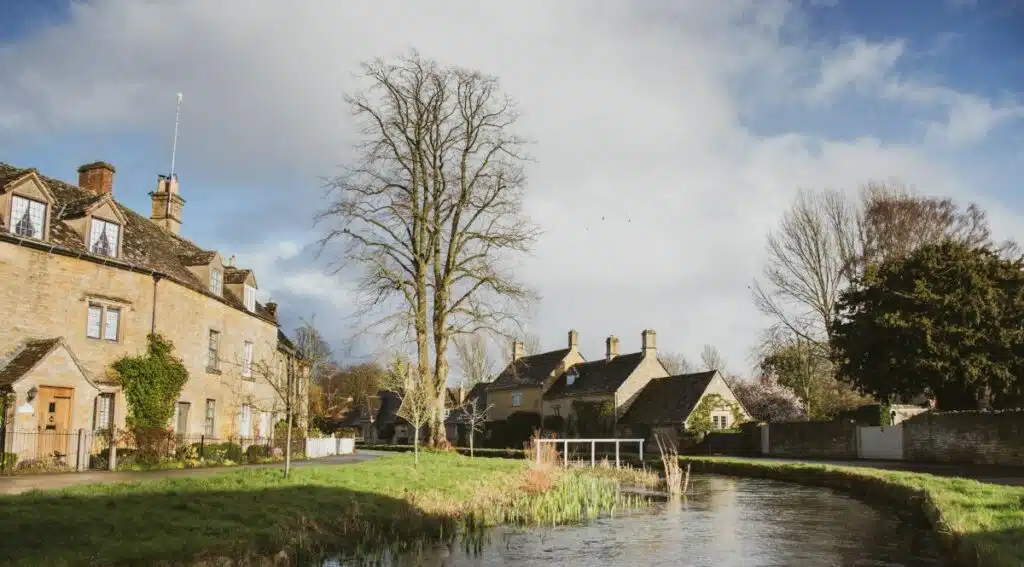
The Slaughters and Painswick
Upper and Lower Slaughter are tiny villages beside the gentle River Eye. Also, Painswick is known for its churchyard of clipped yew trees. Legend says there are 99, because the devil always kills the hundredth.
Castles, Palaces and Roman Sites
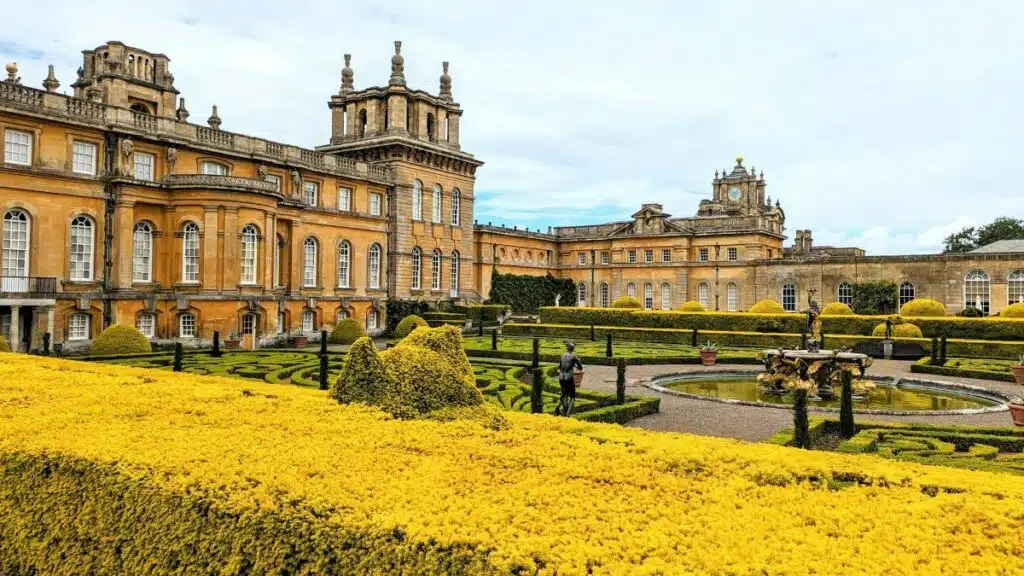
- Blenheim Palace: Winston Churchill’s birthplace and a UNESCO World Heritage site, on the edge of the Cotswolds.
- Sudeley Castle: Near Winchcombe, it is the burial place of Katherine Parr, the last wife of Henry VIII.
- Chedworth Roman Villa: One of the largest Roman villas in Britain, with fine mosaics.
Walking and Cycling in the Cotswolds
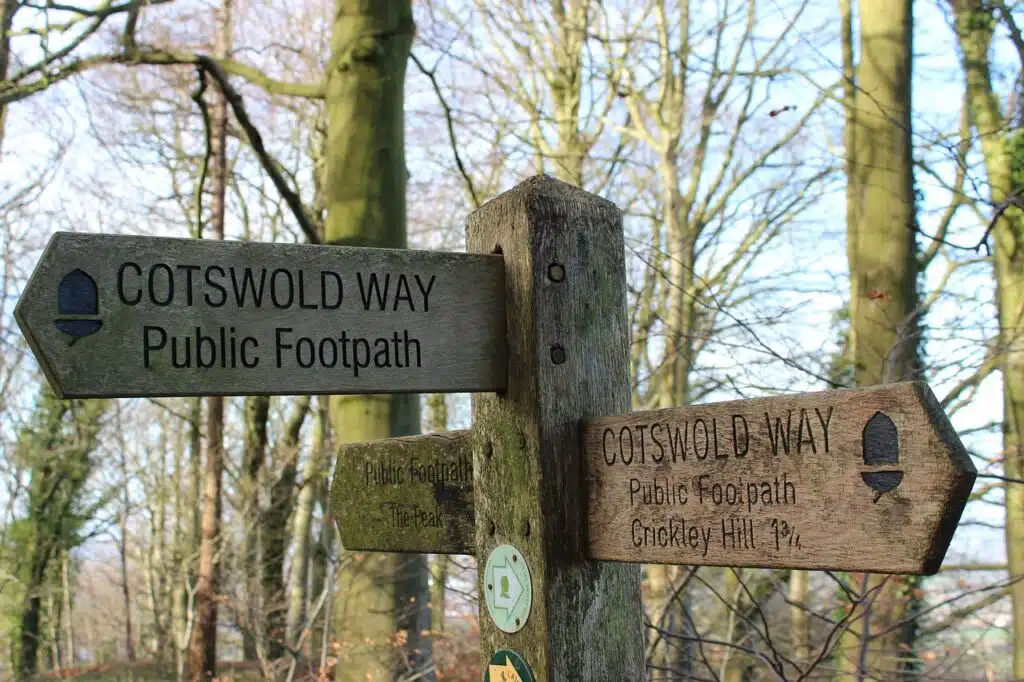
The Cotswold Way runs 102 miles from Chipping Campden to Bath. However, you can easily walk short sections. Along the way, dry-stone walls, meadows and woodland line the paths too. Also, quiet lanes are perfect for cycling between villages.
Food, Tea Rooms and Pubs
Above all, the region is perfect for slow lunches. For example, enjoy a cream tea with scones in a village tea room. Then, try a hearty pub meal by a log fire. Also, look for local cheeses, such as Double Gloucester.
Practical Tips for the Cotswolds
- Rent a car: Buses are infrequent. So, a car makes it easy to visit several villages.
- Go midweek: Weekends bring crowds, especially in Bourton and Bibury.
- Pack for rain: After all, the weather changes quickly. Therefore, bring a waterproof jacket.
- Stay a night or two: Village inns and B&Bs offer a charming base.
Best Time to Visit the Cotswolds
Late spring and summer bring flowers and long evenings. In contrast, autumn offers golden colours and fewer visitors. Winter is quiet, but cosy pubs make it very atmospheric.
How to Get to the Cotswolds
Trains from London Paddington reach Moreton-in-Marsh or Kemble in about 90 minutes. Alternatively, the drive from London takes about two hours. Also, Oxford is a good gateway. For maps and walks, see the official Cotswolds tourism website.
Final Thoughts on the Cotswolds
The Cotswolds offers timeless villages, green hills and slow English charm. Afterwards, continue to Bath or Stratford-upon-Avon. Discover all our United Kingdom travel guides.