Montmartre is a hilltop village in the north of Paris, crowned by the white Sacré-Cœur Basilica. Its cobbled lanes, cafés and small squares still feel like a world apart. Moreover, it was the heart of artistic Paris at the turn of the 20th century. As a result, Montmartre is one of the most charming places to explore in the city.
So, this guide covers the history, the best sights and practical tips for your visit.
The Artistic Story of Montmartre
Montmartre was once a separate village of windmills and vineyards. Then, in the late 19th century, cheap rents attracted painters and poets. For example, Picasso, Van Gogh, Toulouse-Lautrec and Modigliani all lived or worked here. Also, cafés and cabarets were their meeting places. So, the hill became a symbol of bohemian life.
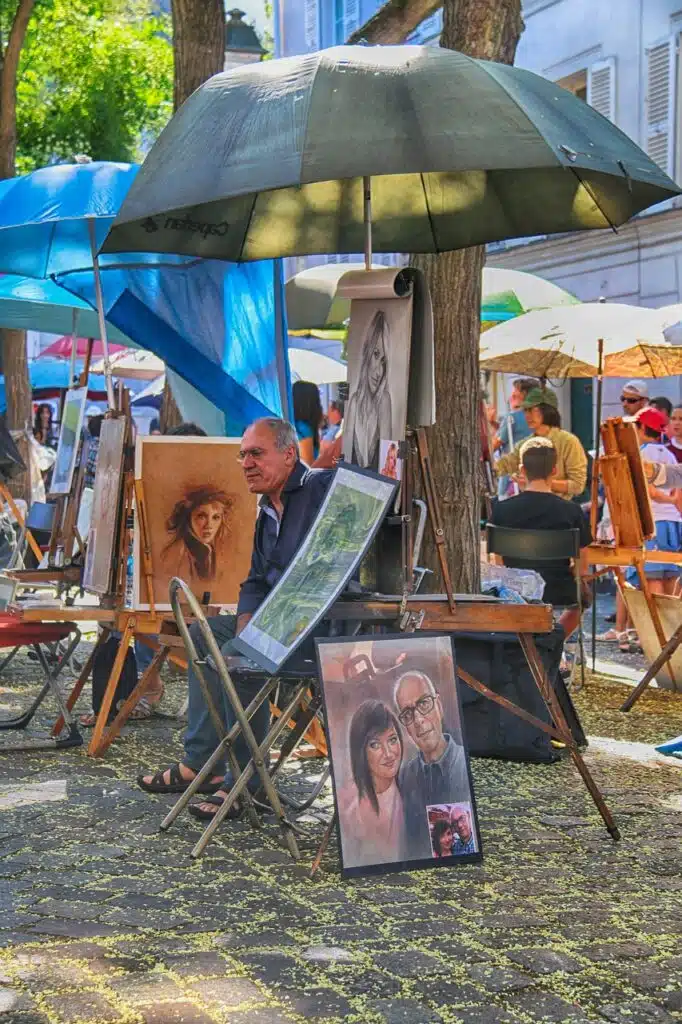
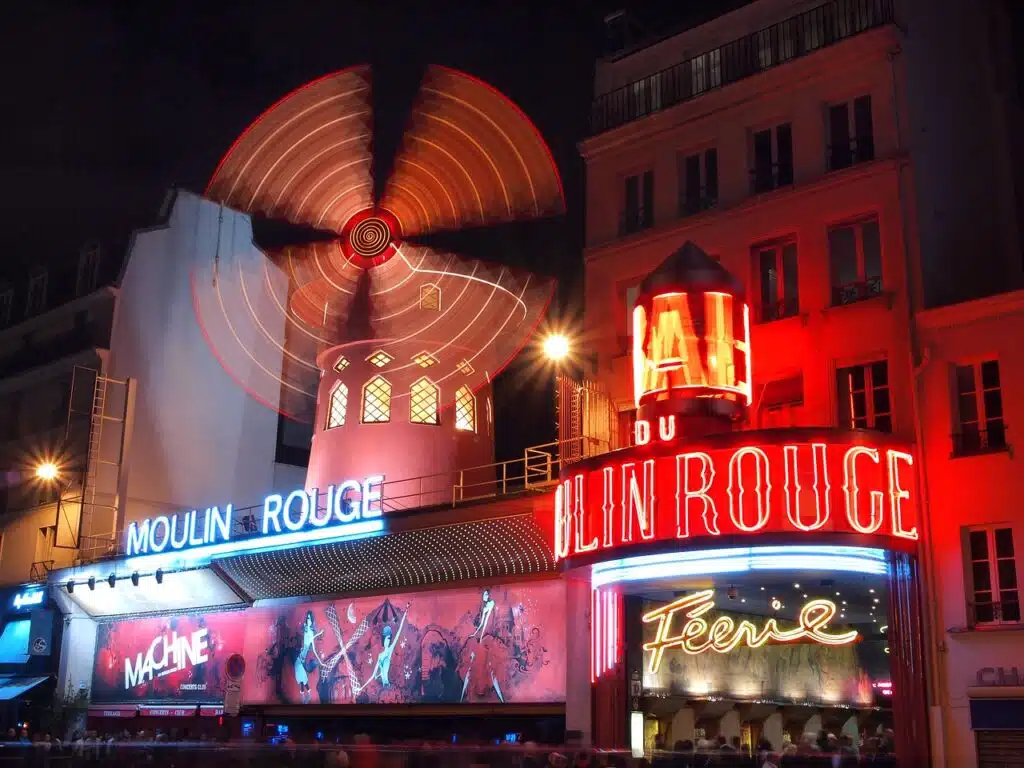
Today, painters still set up their easels on Place du Tertre. Also, the Moulin Rouge cabaret recalls the wild nights of the Belle Époque.
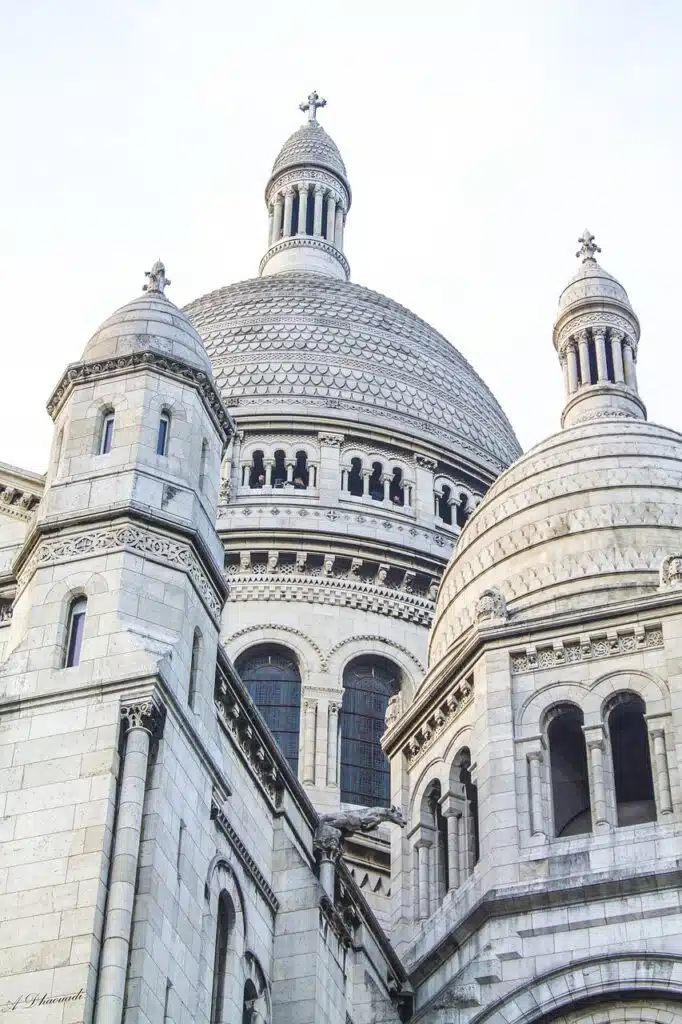
Sacré-Cœur Basilica
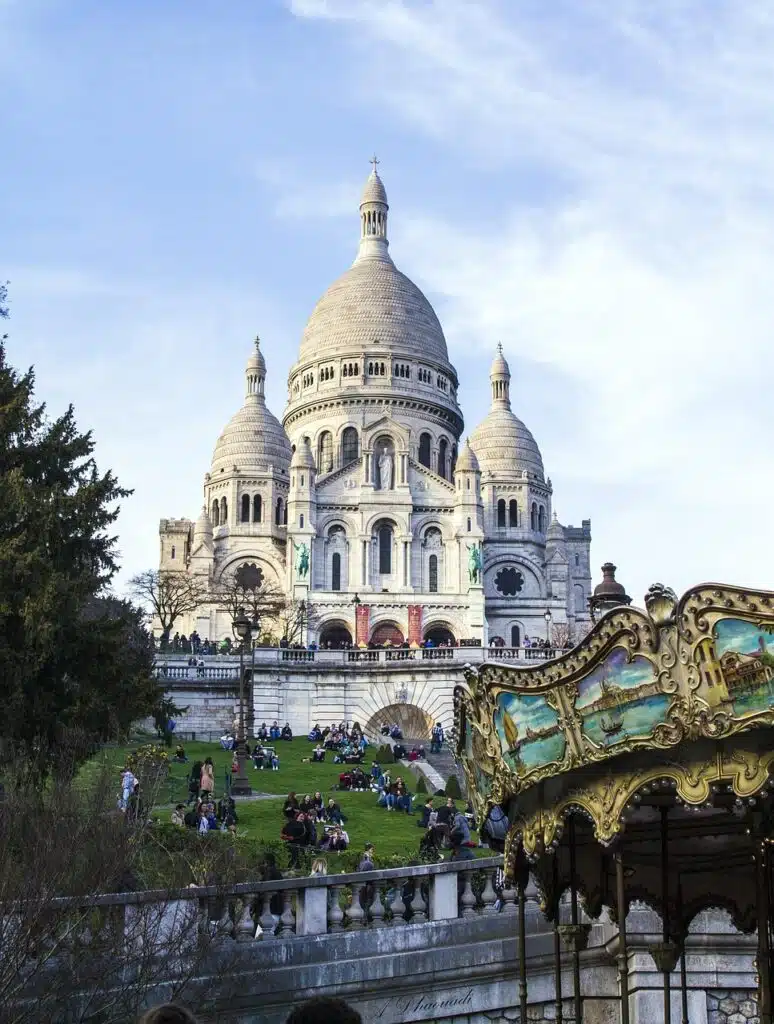
The Sacré-Cœur stands at the top of the hill. In fact, it was built between 1875 and 1914 in a Romano-Byzantine style. Because its stone whitens with rain, the basilica always looks bright. Inside, moreover, a huge mosaic of Christ covers the apse. In fact, it is one of the largest mosaics in France.
Entry to the basilica is free. However, you need a ticket to climb the dome. From the top, then, the view over Paris is among the best in the city. To reach the hill, climb the stairs or take the small funicular.
Things to See in Montmartre
- Place du Tertre: The artists’ square, where you can have your portrait painted.
- Le Bateau-Lavoir: The studio building where Picasso painted Les Demoiselles d’Avignon. Although it was rebuilt after a fire, a plaque marks its history.
- Musée de Montmartre: It tells the story of the hill. Also, its gardens inspired Renoir.
- The Wall of Love: In Square Jehan-Rictus, « I love you » is written in more than 250 languages.
- Place des Abbesses: A lively square with a beautiful Art Nouveau metro entrance.
- Clos Montmartre: A small vineyard that still celebrates its harvest every October.
Nearby Sights
- Moulin Rouge and Pigalle: The famous red windmill sits at the foot of the hill.
- Dalí Paris: A small museum of Salvador Dalí’s sculptures and prints, near Place du Tertre.
- Montmartre Cemetery: Here lie the painter Degas, the singer Dalida and many other artists.
Tips for Visiting Montmartre
- Go early: Mornings are calm, so the lanes feel like a village again.
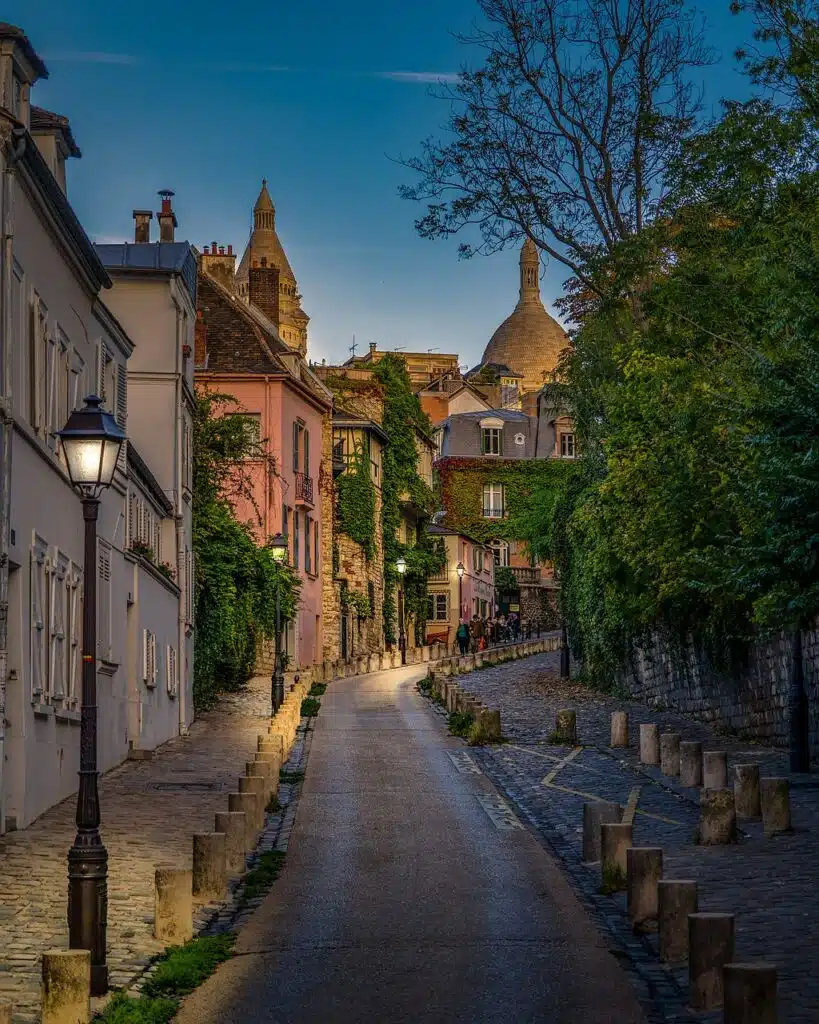
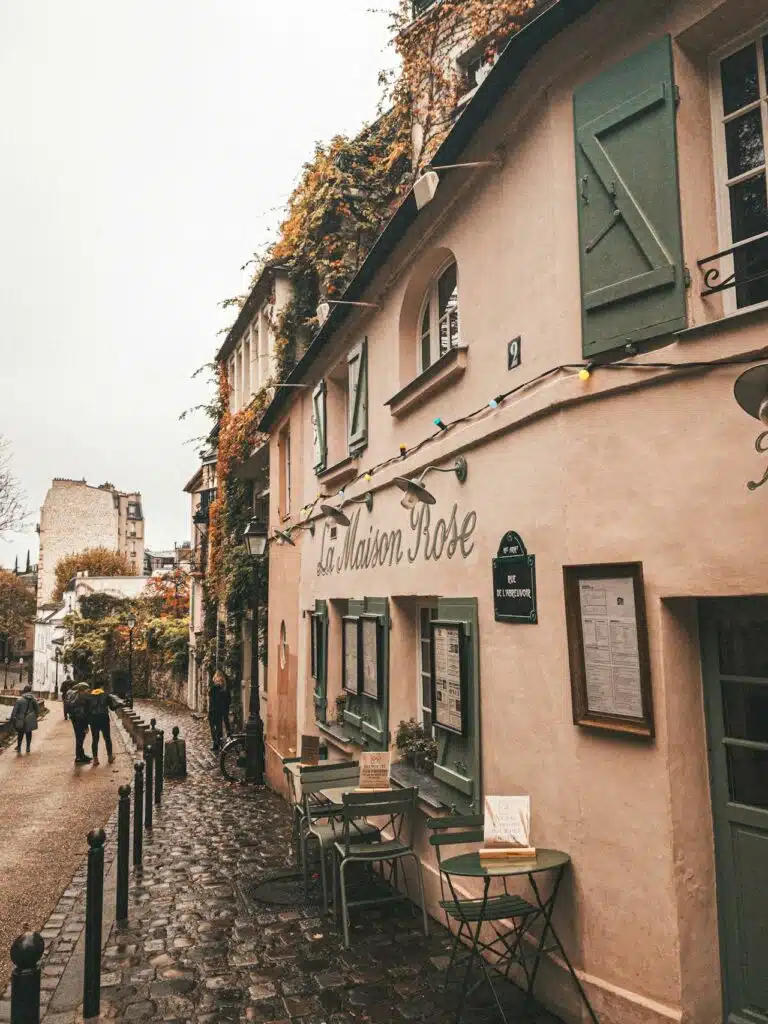
- Explore the back streets: Rue de l’Abreuvoir and Rue des Saules are especially pretty.
- Watch your belongings: Pickpockets and petition scams are common near the basilica steps.
- Wear good shoes: The hill is steep, and many streets are stairways.
How to Get There
Take metro line 12 to Abbesses or line 2 to Anvers. Then, walk up or use the funicular, which accepts metro tickets. For more information, see the official Paris tourism website.
Final Thoughts on Montmartre
Montmartre combines art, history and one of the finest views of Paris. Above all, take time to wander without a plan. Afterwards, visit the Marais or the Louvre. Discover all our Paris travel guides.