


Portugal is a small country with stunning landscapes, a rich maritime history and a relaxed way of life. It combines colourful cities, golden beaches and green islands in the Atlantic. Moreover, it is one of the most affordable destinations in Western Europe. So, it is perfect for a first trip or a long stay.
Most first trips combine Lisbon and Porto. Then, travellers add Sintra, the Douro Valley or the beaches of the Algarve.
Read more about Portugal
Top Cities in Portugal
Lisbon
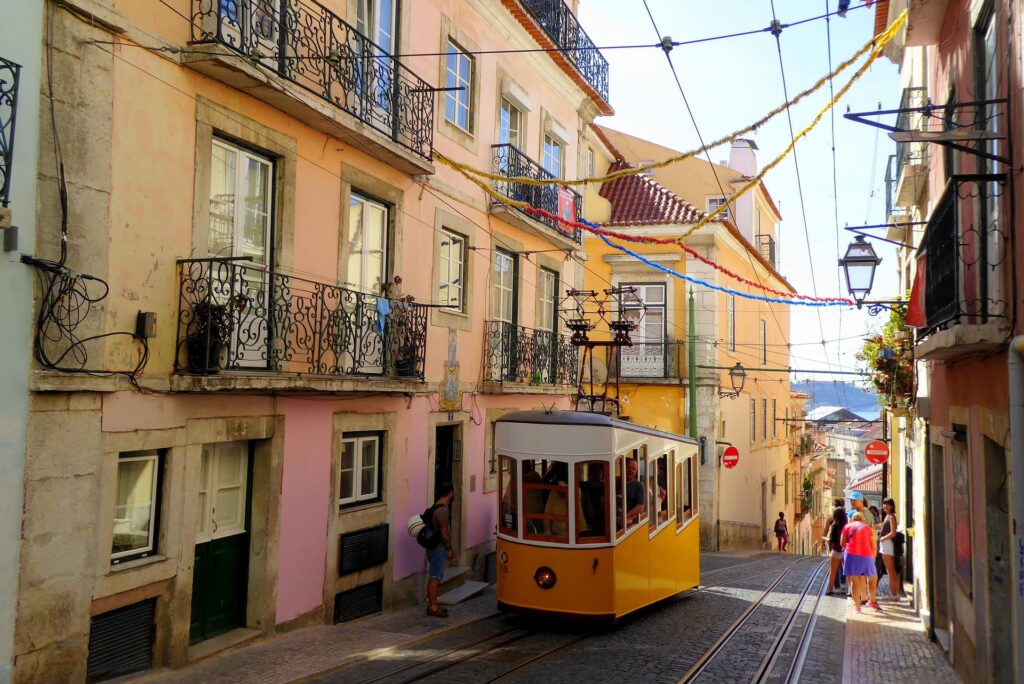
First, the capital spreads over seven hills above the Tagus River. Wander through Alfama, the oldest district, where fado music drifts from small restaurants. Then, visit Belém Tower and the Jerónimos Monastery. Also, ride the historic Tram 28 for a scenic tour. Read our Lisbon guide.
Porto
Next, Porto charms with its riverside Ribeira district and tiled churches. Admire the Livraria Lello bookshop and climb the Clérigos Tower. Then, cross the river to taste port wine in the cellars of Vila Nova de Gaia. See our Porto guide.
Sintra and Cascais
Near Lisbon, Sintra has the colourful Pena Palace and the mysterious Quinta da Regaleira. However, go early, because it gets very crowded. Afterwards, relax by the sea in Cascais.
Historic Towns
- Coimbra: One of Europe’s oldest universities and its beautiful Joanina Library.
- Évora: A Roman temple and a chapel decorated with bones.
- Tomar: The Convent of Christ, a former Knights Templar stronghold.
Nature and Islands of Portugal
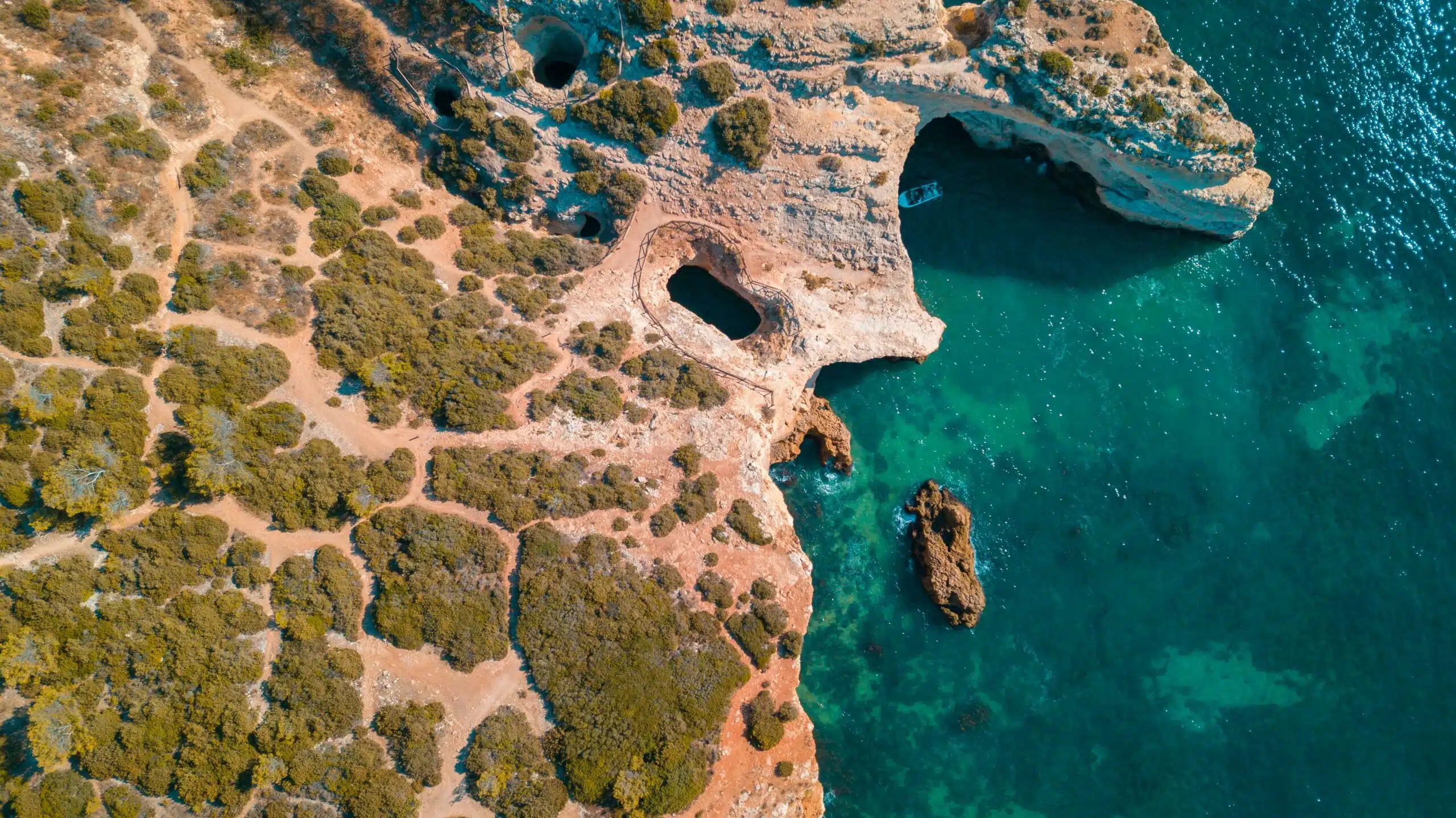
In the north, the Douro Valley has terraced vineyards along the river. Further south, the Algarve offers golden cliffs, sea caves like Benagil and beautiful beaches.
In the Atlantic, moreover, Madeira is perfect for hiking along its levadas, old irrigation channels. Meanwhile, the Azores have volcanic lakes, hot springs and whale watching.
A Short History of Portugal
First, Romans and then Moors shaped the land. In the 12th century, the kingdom of Portugal was born. Then, in the 15th and 16th centuries, explorers like Vasco da Gama sailed to India and Brazil. As a result, Lisbon became one of the richest cities in the world.
However, a huge earthquake destroyed Lisbon in 1755. Later, the country lived under a long dictatorship. Finally, the peaceful Carnation Revolution of 1974 brought democracy. Today, you still see the Age of Discoveries in monuments, tiles and maritime museums.
Food and Wine in Portugal
First, try bacalhau, the salted cod cooked in hundreds of ways. Also, grilled sardines are a summer classic. In Lisbon, the famous pastel de nata custard tart is a must. Read more in our Portuguese gastronomy guide.
In Porto, try the francesinha, a very rich sandwich. To drink, choose port, light vinho verde or a cherry liqueur called ginjinha. Moreover, an evening of fado music with dinner is unforgettable.
Festivals and Events
- February: Carnival is celebrated with parades, especially in Madeira.
- 25 April: Freedom Day celebrates the Carnation Revolution.
- June: Santo António in Lisbon and São João in Porto fill the streets with music and grilled sardines.
- Summer: music festivals take place along the coast.
- September: the grape harvest brings the Douro Valley to life.
Practical Tips
- Wear good shoes: Lisbon and Porto are hilly, with slippery cobblestones.
- Use the trains: fast trains link Lisbon, Coimbra and Porto.
- Rent a car for the south: the Algarve and the Alentejo are easier by road.
- Check the starters: bread and olives served first are often not free.
For more ideas, see the official Visit Portugal website.
Basic Words and Expressions to Use in Portugal
Many Portuguese speak good English, especially young people. Still, a few words of Portuguese make a real difference. Above all, try not to answer in Spanish: locals notice the difference.
Finally, men say “obrigado” and women say “obrigada”. If you make mistakes, don’t worry: the effort is what counts.
Portugal Travel FAQ
We recommend 7 to 10 days for a first trip. That way, you can see Lisbon, Sintra and Porto, plus the Douro or the Algarve. With two weeks, however, you can add Madeira or the Azores.
Count €50 to €80 per person per day. In fact, the country is one of the cheapest in Western Europe. However, Lisbon and the Algarve in summer cost more, so book accommodation early.
The best period is April to June, with warm weather and green landscapes. September and October are also lovely. In contrast, July and August are hot inland and busy on the beaches. Madeira, meanwhile, is mild all year.
The country is part of the Schengen Area. Many visitors can stay up to 90 days without a visa. Still, always check the latest entry rules for your passport before you travel.
Tipping is not expected. However, leaving small change or around 5 to 10% for good service is appreciated.
Trains link Lisbon, Coimbra and Porto quickly. In cities, use the metro, trams and buses. For the Algarve, the Alentejo and the islands, however, a rental car is easier.
In short, the country offers history, ocean views and great food at fair prices. So, combine Lisbon and Porto with the coast or an island. Explore our detailed guides for each destination.