Coimbra is a historic city on the Mondego River, in central Portugal. In fact, it was the country’s capital in the Middle Ages. Moreover, it is home to one of the oldest universities in Europe. As a result, the city mixes ancient monuments with lively student life.
So, this guide covers the top sights, local traditions, food and practical tips.
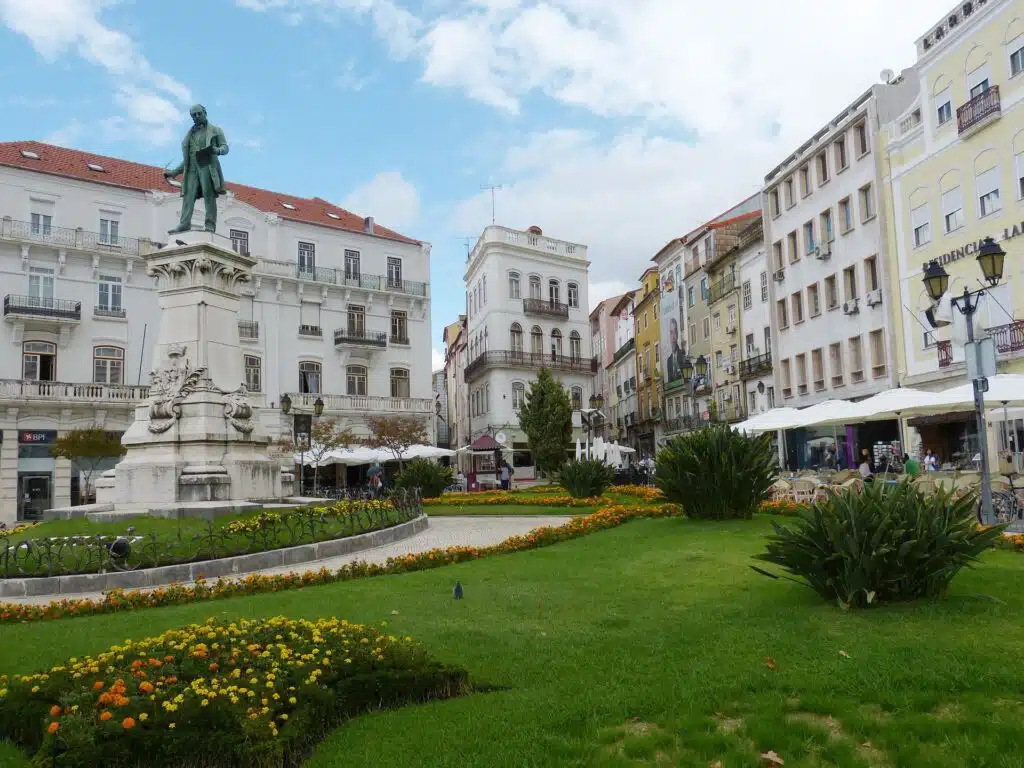
Top Attractions in Coimbra
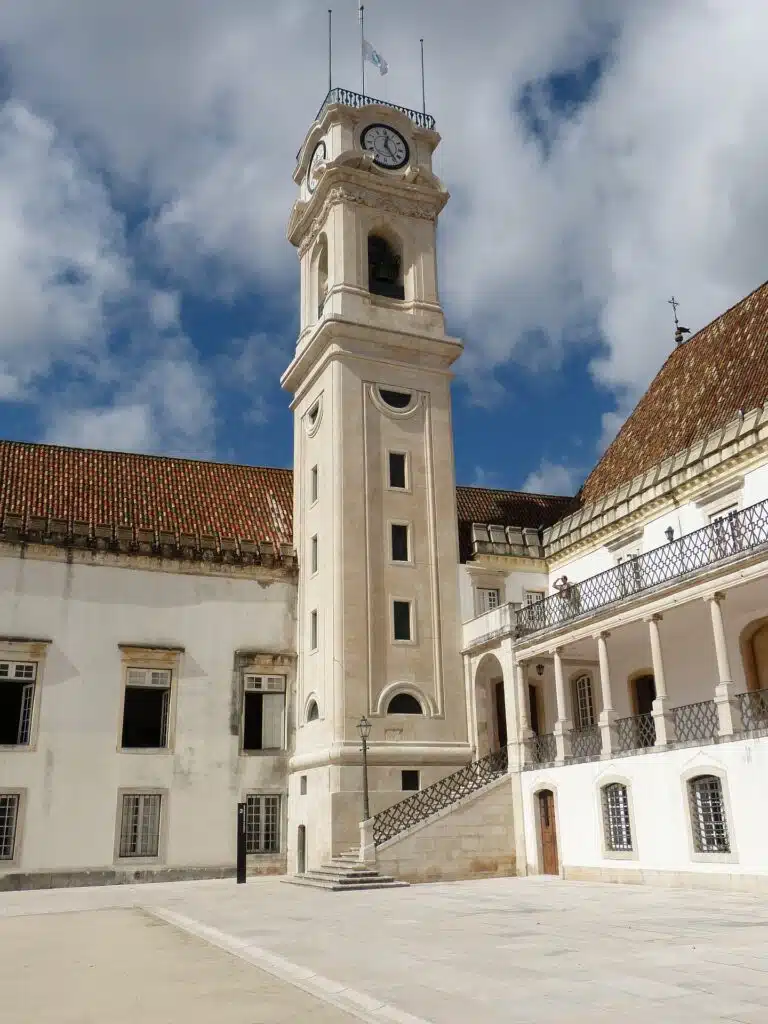
University of Coimbra
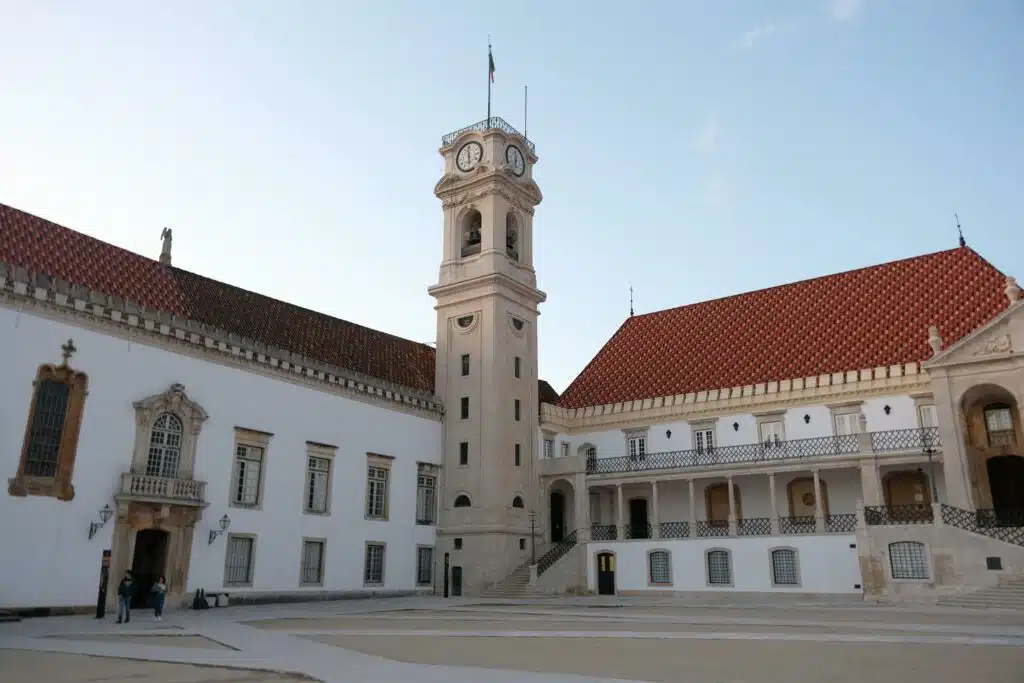
Founded in 1290, the university settled permanently in Coimbra in 1537. Today, its old buildings are a UNESCO World Heritage site. First, cross the Iron Gate into the main courtyard. Then, admire the views over the river from its terrace.
Joanina Library
The baroque Joanina Library is the jewel of the university. Inside, gilded shelves hold tens of thousands of old books as well. Interestingly, a colony of small bats lives inside and eats insects that could damage the books. Visits are timed, so book ahead.
Old Cathedral (Sé Velha)
This 12th-century Romanesque cathedral looks like a fortress. Inside, however, the cloister is calm and elegant. Also, it is one of the best-preserved Romanesque churches in Portugal.
Monastery of Santa Clara-a-Velha
Across the river, this Gothic monastery was flooded by the Mondego for centuries. After a long restoration, though, visitors can now walk through its ruins. In addition, a modern museum explains its history.
Botanical Garden
Created in 1772, the Botanical Garden covers about 13 hectares. Therefore, it is shady, peaceful and perfect for a break. Also, look for its bamboo forest.
Quinta das Lágrimas
This garden is linked to the tragic love story of Prince Pedro and Inês de Castro. According to legend, moreover, a spring here was formed by her tears. So, it is a romantic place to visit.
Pedro e Inês Bridge
This modern footbridge crosses the Mondego with colourful glass panels. It is especially pretty at sunset. Then, continue to Portugal dos Pequenitos, a miniature park popular with children.
Fado and Student Traditions in Coimbra
Coimbra also has its own style of fado. Unlike Lisbon fado, it is sung by men wearing black academic capes. For example, short concerts take place every evening in the old town. In May, students celebrate the end of the academic year during the Queima das Fitas festival. Learn more in our guide to fado music.
What to Eat in Coimbra
The region is famous for leitão, crispy roast suckling pig from nearby Bairrada. Also, try chanfana, goat slowly cooked in red wine. For dessert, taste pastéis de Santa Clara, almond pastries made from an old convent recipe. Discover more in our guide to Portuguese gastronomy.
Tips for Visiting Coimbra
- Wear good shoes: The old town is steep. Also, the cobbles can be slippery.
- Book the library early: Joanina tickets often sell out in summer.
- Visit in spring or autumn: The weather is pleasant, and students bring life to the streets.
How to Get to Coimbra
Fast trains from Lisbon take under two hours. From Porto, the trip takes about an hour. Then, a short local train or walk reaches the centre. For more about the university, see the UNESCO page for Coimbra.
Final Thoughts on Coimbra
Coimbra combines history, learning and romance on the banks of the Mondego. Above all, take time to listen to fado in the evening. Afterwards, visit Tomar or the Douro Valley. Discover all our Portugal travel guides.