The Azores are a group of nine volcanic islands in the middle of the North Atlantic Ocean. They belong to Portugal, yet they lie about 1,500 km west of Lisbon. As a result, they feel like a world of their own. Crater lakes, green pastures, hot springs and whales make them a paradise for nature lovers.
However, each island has its own personality. For this reason, many travelers combine two or three islands in one trip. This guide presents the main islands of the Azores, the best activities, and practical tips to plan your stay.
The Islands of the Azores
The archipelago forms three groups. First, São Miguel and Santa Maria form the eastern group. Then, five islands make up the central group. Finally, tiny Flores and Corvo lie far to the west.
São Miguel: the Green Island
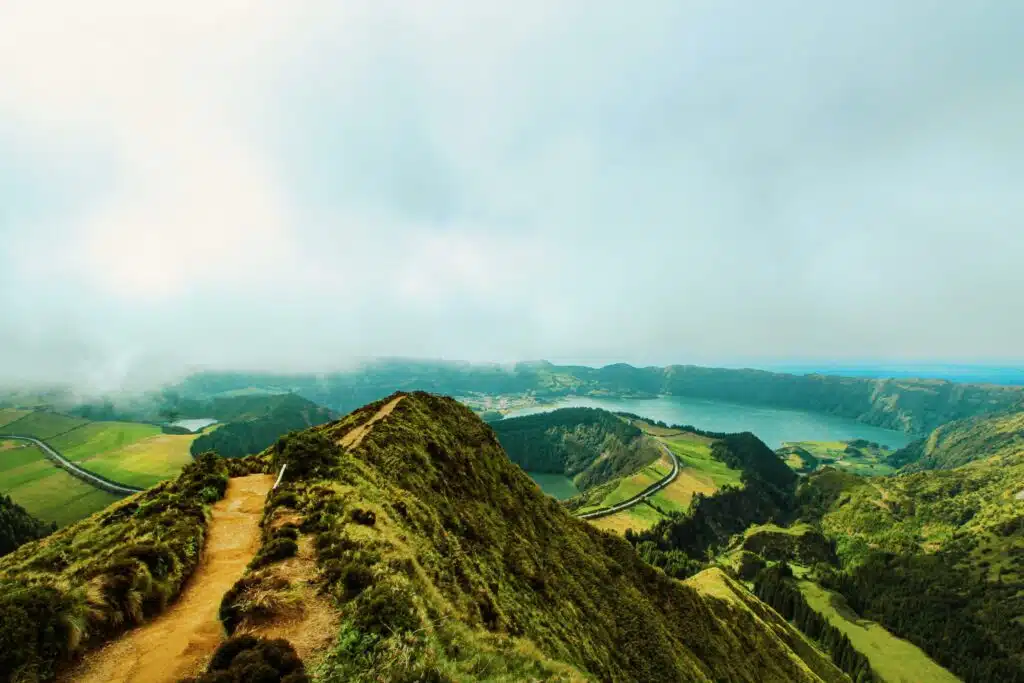
São Miguel is the largest and most visited island. Above all, don’t miss Sete Cidades, where twin lakes fill an old volcanic crater. One lake looks blue, while the other looks green. In addition, Lagoa do Fogo is a wild crater lake surrounded by steep slopes.
In the village of Furnas, steam rises from the ground. There, locals cook a stew called cozido in pots buried in the hot earth. Afterwards, relax in the warm, iron-rich pool of Terra Nostra Park. Also, visit the Gorreana tea plantation, one of the oldest in Europe.
Pico: the Mountain Island
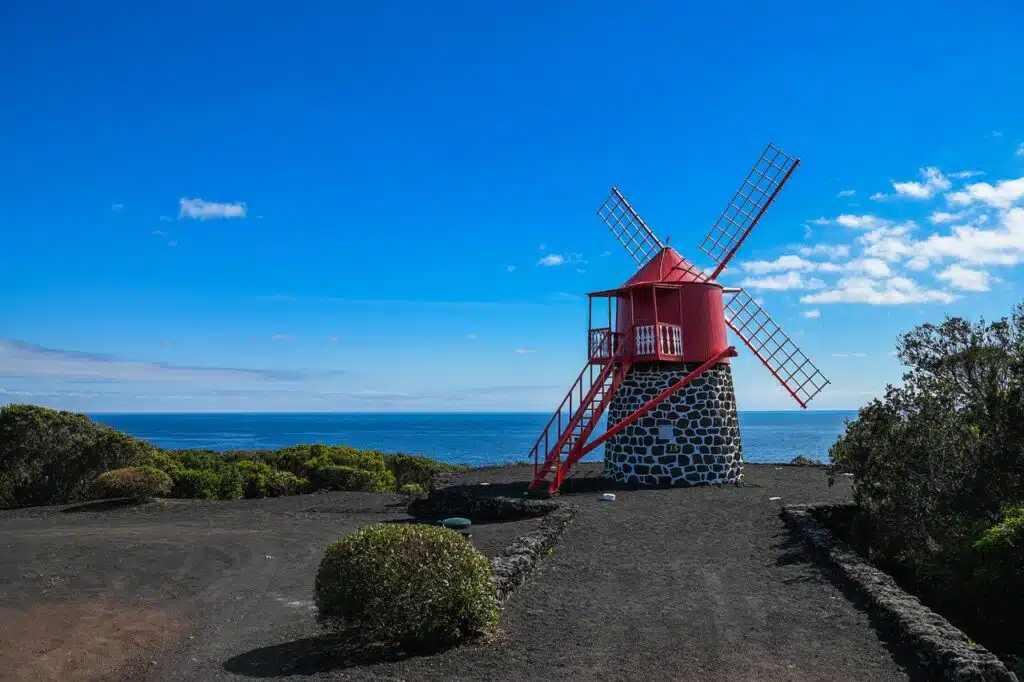
Pico is dominated by Mount Pico, the highest peak in Portugal at 2,351 metres. The climb is tough, but the sunrise views are unforgettable. Moreover, the island’s vineyards are a UNESCO World Heritage site. Small stone walls protect the vines from the Atlantic wind.
Faial: the Blue Island
Faial owes its nickname to the hydrangeas that bloom in summer. Moreover, its marina in Horta is famous among sailors crossing the Atlantic. Traditionally, they paint a small mural on the harbour wall for good luck. Then, explore the Capelinhos Volcano, whose eruption in 1957 created a lunar landscape.
Terceira: the Festive Island
Similarly, Terceira is known for its lively festivals and colourful villages. Its main town, Angra do Heroísmo, is a UNESCO World Heritage site. In fact, its elegant streets recall the age of great sea voyages. In summer, the island also hosts traditional rope bullfights in the streets.
São Jorge, Graciosa and Flores
Next, São Jorge is a long, narrow island with dramatic cliffs. At their base, flat strips of land called fajãs host tiny villages. Furthermore, the island produces a famous spicy cheese. Meanwhile, quiet Graciosa hides Furna do Enxofre, a lava cave with an underground lake. Finally, Flores is a UNESCO Biosphere Reserve full of waterfalls.
Top Things to Do in the Azores
- Whale and dolphin watching: More than 20 species of cetaceans live in or pass through these waters. So, the Azores are one of the best places in the world to see them.
- Hiking: Marked trails across the Azores lead around crater rims, along cliffs and through forests.
- Hot springs: Bathe in natural thermal pools, such as Poça da Dona Beija in Furnas.
- Diving and canyoning: Explore volcanic underwater landscapes or slide down mountain streams.
- Local food: Taste cozido, fresh fish, island cheese and sweet pineapples grown in greenhouses. Learn more about Portuguese gastronomy.
Best Time to Visit the Azores
The climate is mild all year, usually between 14 and 25°C. However, the weather changes quickly, so locals joke about four seasons in one day. May to September is the most popular period, with greener hills and calmer seas. In contrast, winter is quieter and cheaper, although rain is more frequent.
How to Get to the Azores
Most visitors fly into Ponta Delgada on São Miguel. Direct flights leave from Lisbon and Porto in about two hours. In addition, there are seasonal flights from other European cities and North America. Between islands, small planes link all nine islands. Ferries also connect Pico, Faial and São Jorge.
Tips for Visiting the Azores
- Rent a car: Buses are limited. Therefore, a car is the best way to explore the Azores.
- Check the webcams: Crater lakes are often hidden by clouds. So, check live webcams before driving up.
- Pack layers: Bring a rain jacket, warm layers and good walking shoes.
- Book early: Summer accommodation and rental cars sell out fast. As a result, booking ahead is essential.
- Stay flexible: Boat trips may be cancelled in bad weather. Ideally, keep a spare day in your plan.
For trail maps and island information, visit the official Visit Azores website.
FAQ About the Azores
How many days do you need?
Plan at least five days for São Miguel. Then, add three or four days for each extra island.
Which island should you choose first?
São Miguel is the easiest start, thanks to its many flights and varied sights. Afterwards, the trio of Pico, Faial and São Jorge is ideal for a second trip.
Final Thoughts on the Azores
The Azores offer wild nature, warm people and a slow pace of life. Whether you hike, swim or watch whales, these islands will stay in your memory. Also, combine your trip with Madeira or Sintra. Discover all our Portugal travel guides.