The Best Desserts in Rome: Traditional Roman Sweets
Roman desserts are simpler than the elaborate cakes of Vienna or Budapest, and that’s their charm. Ricotta, whipped cream, honey, nuts and sour cherries are the stars, and many recipes are tied to a religious feast or a season of the year. Some come from ancient Rome, others from the city’s Jewish Quarter, one of the oldest Jewish communities in Europe. From historic pasticcerie (pastry shops) to riverside kiosks, the best desserts in Rome are part of everyday life in the Eternal City.
Here’s a guide to the sweets you must try in Rome.
1. Maritozzo con la Panna — Rome's Cream-Filled Bun
The maritozzo is Rome’s signature breakfast pastry: a soft, slightly sweet brioche bun, split open and filled with an extravagant amount of whipped cream. Some versions add orange zest, raisins or pine nuts to the dough.
According to tradition, young men once gave a maritozzo to their fiancée, sometimes with a ring hidden inside, which is where the name comes from (marito means husband). Romans eat it in the morning with a cappuccino, standing at the bar.

2. Crostata di Ricotta e Visciole — The Jewish Quarter's Tart
This tart is a jewel of Roman-Jewish cuisine. A crumbly shortcrust pastry encloses a layer of sweet ricotta and a layer of visciole, small sour cherries cooked into jam. The pastry on top is often slightly darkened, almost caramelised, which is part of its character.
The best place to taste it is the old Jewish Ghetto, near the Portico d’Ottavia, where the same family has been baking it for more than two centuries. Expect a queue in the morning, and expect it to be worth it.

3. Tiramisù — Italy's Favourite Spoon Dessert
Tiramisù was born in north-eastern Italy in the second half of the 20th century, but Rome has made it its own. Ladyfinger biscuits are soaked in espresso, layered with a cream of mascarpone, eggs and sugar, then finished with a dusting of cocoa. Its name means “pick me up”, thanks to the coffee.
In Rome, you’ll find it in almost every trattoria, but some pastry shops specialise in it and sell it in single portions to take away, in classic, strawberry or pistachio versions.

4. Gelato — The Daily Roman Ritual
No visit to Rome is complete without gelato, and Romans eat it in every season. Classic flavours like pistacchio, nocciola (hazelnut), fior di latte and dark chocolate are the best way to judge a gelateria.
Look for shops that keep their gelato in covered metal tubs and use natural colours: pistachio should be dull green-brown, not bright green. Avoid the towering, fluorescent mounds near the big monuments, and walk a few streets further for something better.

5. Grattachecca — Rome's Summer Shaved Ice
Grattachecca is Rome’s answer to the summer heat. A block of ice is shaved by hand, piled into a cup, then drenched in fruit syrups and topped with fresh fruit pieces. The classic combinations are sour cherry, lemon and coconut, or tamarind.
It’s sold from small kiosks along the Tiber, some of which have been run by the same families for generations. Grab one on a warm evening and eat it by the river, as Romans have done for more than a century.

6. Bignè di San Giuseppe — Cream Puffs for Father's Day
Around 19 March, the feast of Saint Joseph and Father’s Day in Italy, Rome’s pastry shops fill up with bignè di San Giuseppe. These round choux puffs, fried or baked, are generously filled with crema pasticcera (pastry cream) and dusted with icing sugar.
They’re the Roman cousin of the Neapolitan zeppola. If you visit Rome in March, don’t miss them: they only appear for a few weeks each year.

7. Pangiallo Romano — The Christmas Golden Bread
Pangiallo, “yellow bread”, is Rome’s own Christmas sweet. This dense, chewy cake is packed with dried fruit, almonds, hazelnuts, walnuts, pine nuts and honey, then covered with a thin golden glaze.
Tradition links it to ancient winter solstice celebrations, when golden breads were shared to wish for the return of the sun. Today, you’ll find it in Roman bakeries from late November to January, and it makes an excellent edible souvenir.

Tips for Enjoying the Best Desserts in Rome
In Rome, sweets are part of the rhythm of the day: a maritozzo at breakfast, a gelato during the evening passeggiata, a slice of tart on Sunday. These tips will help you enjoy the best desserts in Rome like a local.

Frappe and castagnole (fried Carnival pastries) appear in February, bignè di San Giuseppe in March, and pangiallo at Christmas. Bakeries in the Jewish Ghetto close on Saturdays for Shabbat and on Jewish holidays, so plan your visit around them.

Have breakfast at the bar: Romans eat their pastry standing at the counter with a cappuccino, which is quicker and usually cheaper than sitting at a table. In summer, order a granita di caffè con panna, and ask for panna (whipped cream) on top of your gelato.

Pangiallo and boxed biscuits travel well and make excellent edible souvenirs. Cream desserts like maritozzi and tiramisù are best eaten the same day.
Where to Find the Best Desserts in Rome
Rome’s pastry shops and cafés are part of its living history. Some have been run by the same family for generations, others are tiny kiosks with a loyal following. Whether you’re visiting the Pantheon, wandering around Piazza Navona or crossing the river to Trastevere, there’s always a sweet stop nearby.
Here are some of the best places in Rome to try traditional Roman desserts.
📍Via del Portico d’Ottavia 1, Jewish Ghetto, Rome
🥧 Type: Roman-Jewish bakery since 1815 (closed Saturdays)
📍Via dello Statuto 60, Esquilino, Rome
🥐 Type: Historic pastry shop, famous for maritozzi
📍Via della Croce 88, near the Spanish Steps, Rome
🍮 Type: Tiramisù specialist
📍Via degli Uffici del Vicario 40, near the Pantheon, Rome
🍦 Type: Historic gelateria
📍Piazza degli Zingari 5, Monti, Rome
🍨 Type: Artisan gelato, gluten-free options
📍Lungotevere degli Anguillara, corner of Ponte Cestio, Trastevere
🧊 Type: Grattachecca kiosk since 1915
FAQ: Desserts in Rome
What is the most typical dessert in Rome?
The maritozzo con la panna: a soft brioche bun split open and filled with whipped cream. Romans eat it for breakfast, standing at the bar with a cappuccino. Pasticceria Regoli, in the Esquilino district, is one of the most famous places to try it.
Is tiramisù a Roman dessert?
No, tiramisù was born in north-eastern Italy in the second half of the 20th century. It's everywhere in Rome, though, and some shops like Pompi, near the Spanish Steps, specialise in it, in classic, strawberry or pistachio versions.
Where can I eat the ricotta and sour cherry tart in Rome?
In the old Jewish Ghetto, near the Portico d'Ottavia. Pasticceria Boccione has been baking this crostata di ricotta e visciole since 1815. Note that it's closed on Saturdays for Shabbat and on Jewish holidays.
How do you spot a good gelateria in Rome?
Look for natural colours: pistachio gelato should be dull green-brown, not bright green. The best gelaterie keep their gelato in covered metal tubs. Skip the towering, fluorescent mounds near the big monuments and walk a few streets further.
How much does gelato cost in Rome?
Expect to pay around €3 to €5 for a cone or cup with two or three flavours at a neighbourhood gelateria. Prices are often higher near the Trevi Fountain or the Pantheon.
When can I eat grattachecca in Rome?
Grattachecca is a summer treat. The kiosks along the Tiber, like Sora Mirella near Ponte Cestio, are busiest on warm evenings from late spring to early autumn.
Which Roman desserts can I take home?
Pangiallo (from late November to January) and boxed biscuits travel very well. Cream desserts like maritozzi and tiramisù are best eaten the same day.
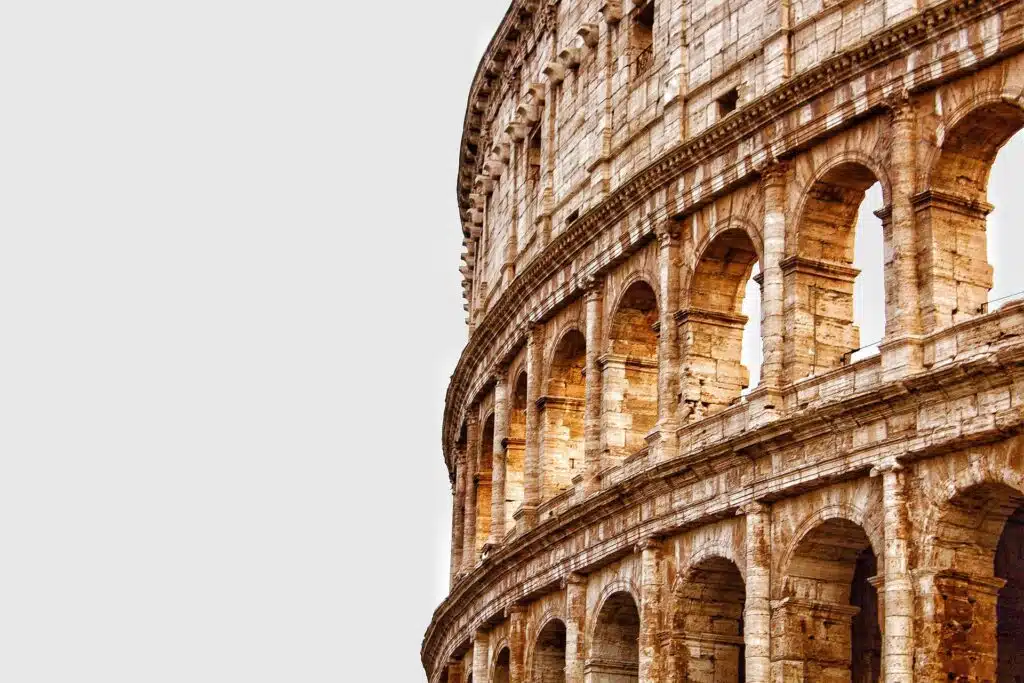
After your sweet tour, explore Rome’s highlights with our guides to the Trevi Fountain and the Colosseum, or discover more of Italy. Planning a trip to Central Europe too? Read our guide to the best desserts in Prague.